Lost Meets Back To The Future In Netflix's 3-Part Sci-Fi Masterpiece

Cathal Gunning has been writing about movies, television, culture, and politics online and in print since 2017. He worked as a Senior Editor in Adbusters Media Foundation from 2018-2019 and wrote for WhatCulture in early 2020. He has been a Senior Features Writer for ScreenRant since 2020.
For viewers who wish that Lost was more cohesive or that the Back to the Future movies took their story a little more seriously, Netflix has a three-season sci-fi masterpiece that is a must-watch. The 2010s and 2020s have proven to be a historically great time for sci-fi TV across the board, thanks in large part to the emergence of multiple major streaming services. Back when network TV dominated the industry, sci-fi shows were often perceived as inherently niche, and sometimes failed to receive the mainstream acclaim they deserved as a result.
In contrast, streaming services as a collective have learned from the mainstream success of shows like Stranger Things and invested heavily in sci-fi shows, from Apple TV’s ambitious Invasion, Silo, and Foundation to Prime Video’s ethereal Tales from the Loop and Outer Range. Some shows, like Netflix’s underrated cyberpunk thriller Altered Carbon, arrived a little too early to cash in on this trend, but many more have flourished in this era.
However, even successful shows always run the risk of slamming headlong into the biggest issue that impacted ABC’s seminal mystery series Lost. While the early seasons of Lost were critically acclaimed and the show became a global sensation in its first outing, its grip on its storyline gradually loosened over the years and viewers became frustrated with the diffuse, branching plotting of the show. Heroes fell victim to a similar fate only a few years later, but Netflix’s masterpiece Dark wisely avoided this issue with one change.
Netflix’s Dark Is A Moving Multi-Generational Sci-Fi Masterpiece

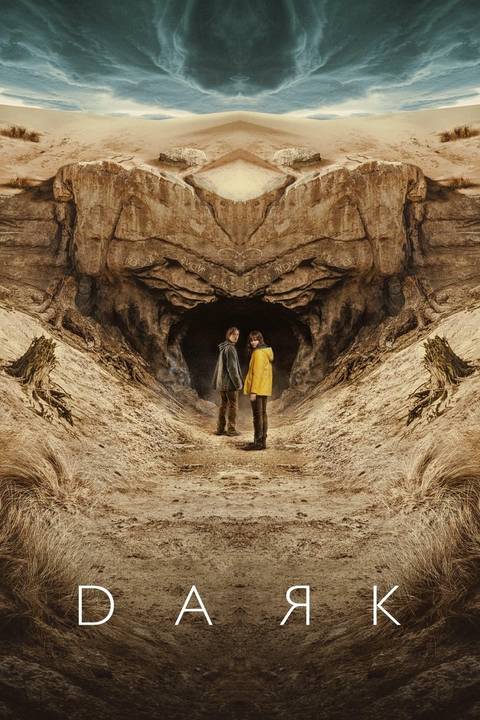
While it might sound strange to equate the German mystery thriller Dark to a mix of Lost and the Back to the Future trilogy, this pairing makes a lot of sense on closer inspection. Like Lost, Dark told a complex, multifaceted story of a cross-generational group of characters who are drawn together by a mysterious location and its apparent ability to warp time. In the case of Dark, the location was a cave in the small town of Winden.
Seemingly able to facilitate time travel, this mysterious cave tied together the show’s characters in a complex conspiracy that slowly worked its way toward a tragic, inevitable end. Although Dark’s three-season story was far darker than anything in the Back to the Future movies, the show’s saga did have a lot in common with that earlier blockbuster series, too.
Like the Back to the Future trilogy, Dark focuses on the ways that time travel, through various generations, inadvertently reshapes the fate of an entire small town, with the unpredictable ripple effects of small decisions having unforeseen ramifications for unexpected characters down the line. Dark and Back to the Future both split their stories across numerous eras, although the former told a more poignant story.
Dark’s Self-Contained Story Avoids The Two Worst Issues With Sci-fi Shows
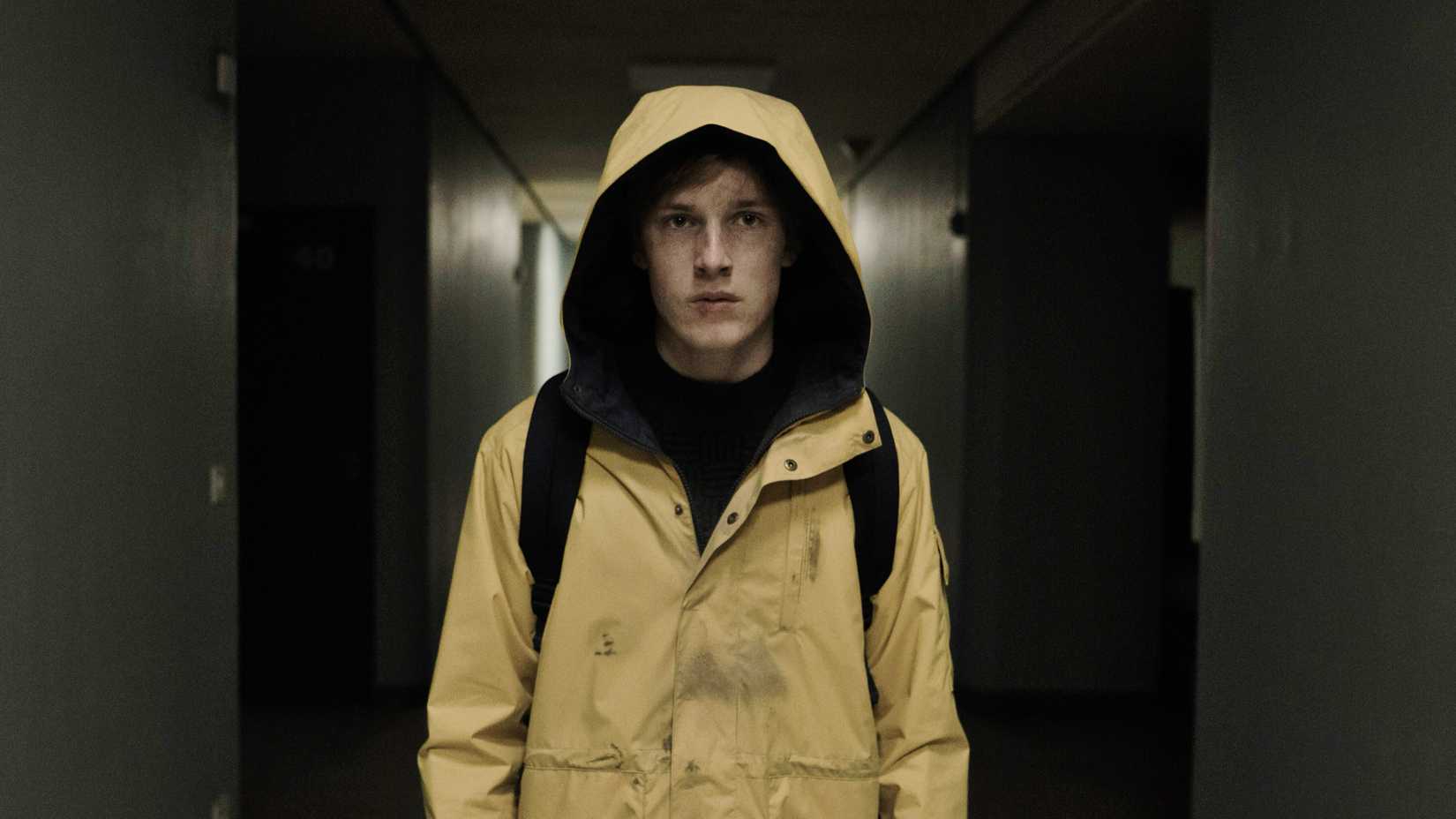
In what proved to be the show’s wisest choice, Dark also told a markedly more self-contained story than either the Back to the Future trilogy or the infamously wide-ranging Lost. While Netflix’s other time travel series Travelers was equally acclaimed, that series did attempt to borrow a lot of the expansive scope featured in Lost, as did Stranger Things in the apocalyptic action of its final season.
In stark contrast, Dark was always an unapologetically small story, and this limited scale allowed the show to thoroughly explore its characters and their fates without worrying about forgotten plot lines or abandoned threads. Unlike many sci-fi shows, Dark’s three-season run was planned from the start.
This saved the Netflix series from the twin evils of adding more story due to unexpected renewals, as happened with Lost, and ending unexpectedly early before its story was complete, as happened to Firefly and too many other cult classics to name. As a result, Netflix’s Dark might feel like a mix of the Back to the Future trilogy and Lost, but it’s a more satisfying watch than either.
- Release Date
- 2017 - 2020-00-00
- Network
- Netflix
- Showrunner
- Jantje Friese
- Directors
- Baran bo Odar
- Writers
- Marc O. Seng, Martin Behnke, Ronny Schalk
KioskNews shows a cleaned-up reading view extracted from the publisher’s page — the original always lives on their site, not ours.