Saudis slash oil prices to Asia in battle for market share
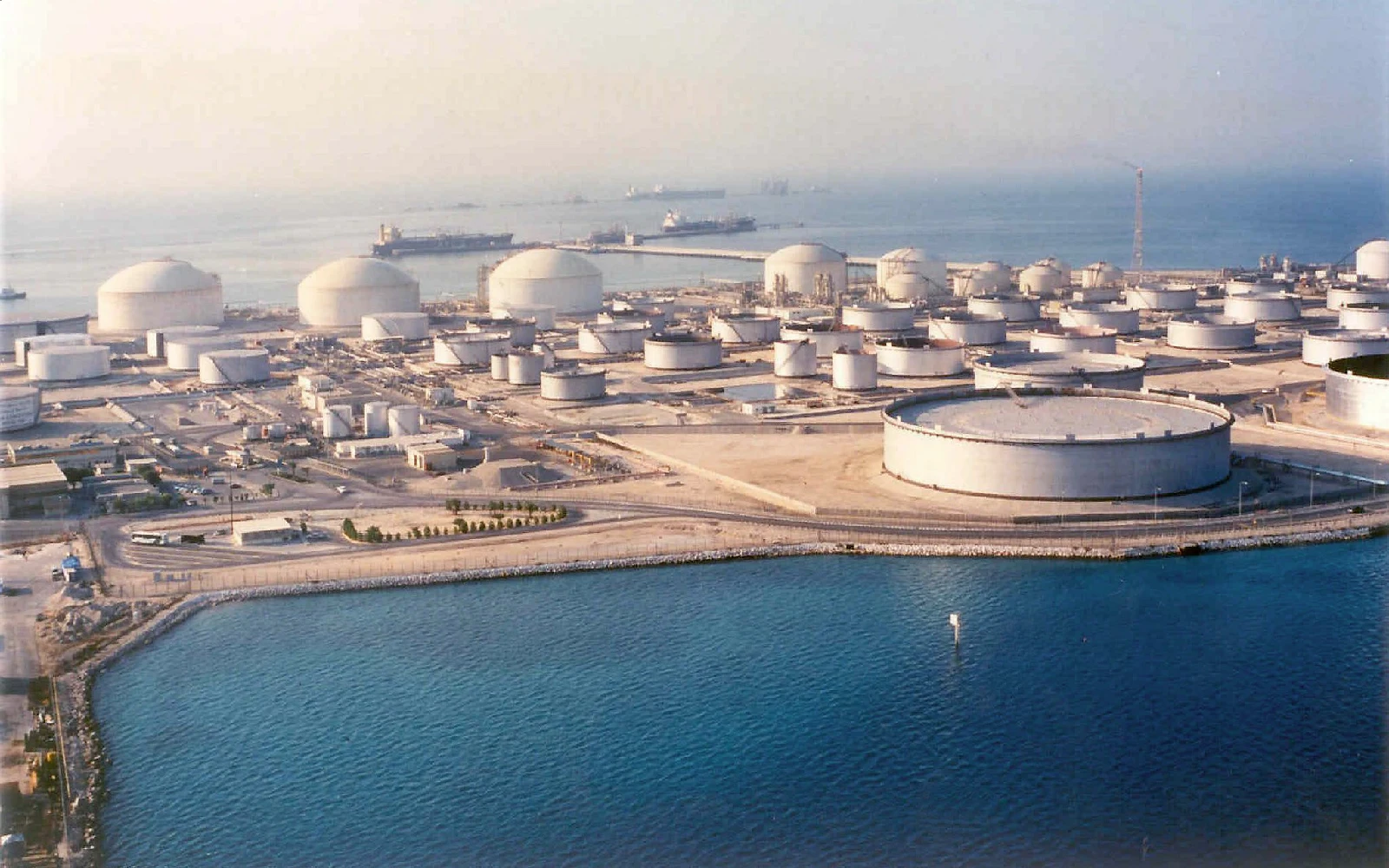
Saudi Aramco has cut prices for its benchmark oil grade to Asia to a six-year low as Gulf producers race for market share with flows through the Strait of Hormuz increasing.
The state-owned firm will lower Arab Light crude to buyers in Asia to US$5 a barrel less than the regional benchmark for November, according to a list from the producer. That compared with a discount of US$2 a barrel for this month. Traders and refiners had expected a US$5 increase from October, a Bloomberg survey shows.
The unexpected price cut is a signal the world’s largest oil exporter may be trying to boost sales to Asia, along with other Persian Gulf producers. Aramco raised November prices to Europe by US$3 a barrel, and left those to the US unchanged from this month.
While there are still frequent attacks on ships in and around Hormuz, the amount of oil moving through the waterway has rebounded over the last few months. On top of that, the Saudis have restored much of the flows through the East-West pipeline after it was damaged by an attack. That’s seen crude exports from the Middle East increase, with JPMorgan Chase & Co estimating last week they were at 98% of pre-war levels.
Aramco’s official pricing is for crude sold under long-term contracts to refiners who would normally collect those barrels at Ras Tanura inside the Persian Gulf. With passage through Hormuz still risky, many customers are avoiding the route, forcing producers to shuttle their cargoes through Hormuz and transfer them in the Gulf of Oman.
Asian refiners were told by Saudi Aramco to submit nominations for the volumes they wish to pick up next month from ports within the Persian Gulf, as well as from Yanbu on the Red Sea or the Mediterranean port of Sidi Kerir. That’s “in case the closure of the Strait of Hormuz continues,” according to an Aramco document seen by Bloomberg.
Saudi Arabia has restored oil flows through the East-West pipeline to more than 80% of capacity, Bloomberg reported late last week. The volumes available for export via the Red Sea have risen to wartime highs as the kingdom sends less to domestic refineries.
Meanwhile, fighting in the Middle East is still spreading. Yemen’s Saudi-backed government has launched a full-scale military campaign to recapture territory held by the Houthis, who are backed by Iran. Shipping costs remain high, reflecting a shortage of vessels and the dangers of moving oil through the war-torn region.
KioskNews shows a cleaned-up reading view extracted from the publisher’s page — the original always lives on their site, not ours.