From cancer to diabetes: Singapore biomedical startups expand into China to accelerate development of new treatments
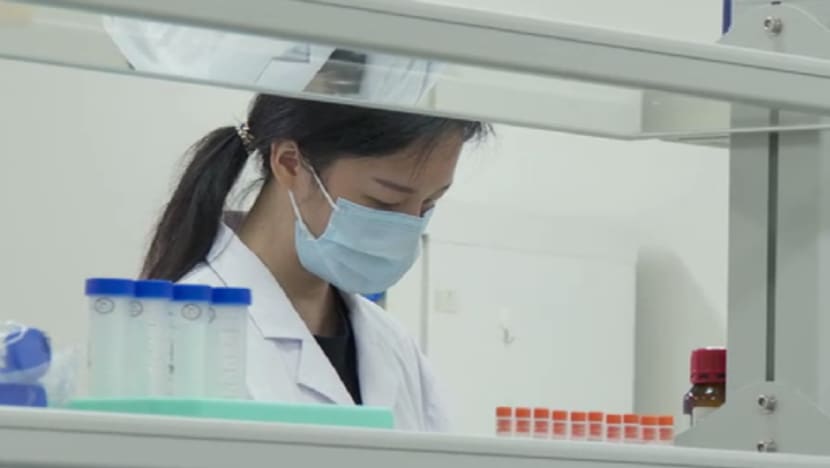
Singapore startups are tapping China’s vast patient pool, hospital networks and manufacturing capabilities, but they must also navigate its evolving regulatory landscape.
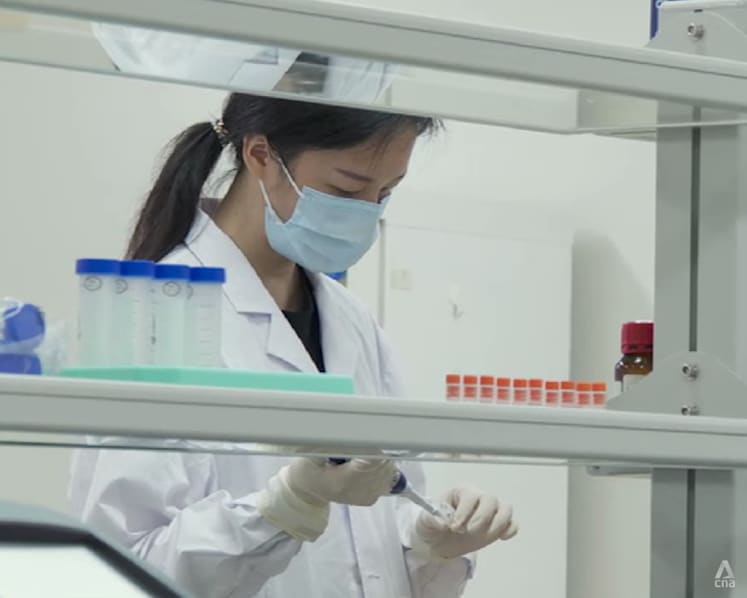
Scientists from biotechnology firm Lion TCR are working on a new way to treat liver cancer. (Image: CNA)
New: You can now listen to articles.

This audio is generated by an AI tool.

06 Nov 2026 12:51PM
GUANGZHOU: At a laboratory in Guangzhou, scientists are developing a new way to treat liver cancer by reprogramming the body’s own immune cells to recognise and attack tumours.
The method, developed by Singapore biotechnology firm Lion TCR, targets liver cancer linked to hepatitis B, a disease prevalent in China and parts of Asia.
The company is among Singapore biomedical startups tapping China’s vast patient pool, hospital networks and manufacturing capabilities to accelerate development of new therapies.
SPEEDING UP CANCER TREATMENT DEVELOPMENT
A spin-off from Singapore’s Agency for Science, Technology and Research (A*STAR), Lion TCR conducted its first clinical trials at Singapore General Hospital before expanding to China.
The company has since established a facility at the China-Singapore Guangzhou Knowledge City where it is leveraging an integrated research-to-manufacturing ecosystem to cut down on development time by roughly half.
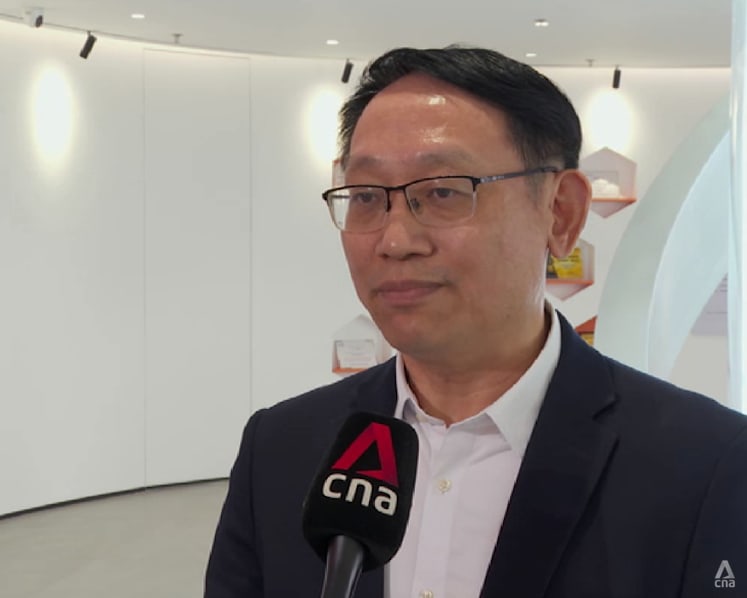
“Lion TCR actually shortened the distance between innovation, clinical needs and the manufacturers,” said the company’s CEO Peng Xiaoming.
“We established collaborations with the local hospitals to accelerate our clinical developments, and also … with the local leading research institutions to further develop our next generation of products.”
The firm has also begun clinical trials to treat liver cancer in China with local hospital partners.
At the same time, development is in the works for a cheaper “off-the-shelf” version of its cell therapy that could be manufactured in different countries, potentially making the treatment more accessible to global markets.
The firm is also exploring the use of artificial intelligence to expand its therapies to other tumours and diseases such as lung and breast cancer.
CHINA’S VAST PATIENT POOL
Meanwhile, fellow A*STAR spin-off BetaLife is developing stem cell therapies that could replace cells damaged by diabetes.
China, with about 148 million adults living with diabetes, presents a key market for the Singapore med-tech startup. The figure accounts for roughly a quarter of the world’s adult diabetes population, according to 2024 estimates from the International Diabetes Federation.
“We see China as an important part of (our) Asia and global development strategy,” said BetaLife co-founder and director Novanne Seah.
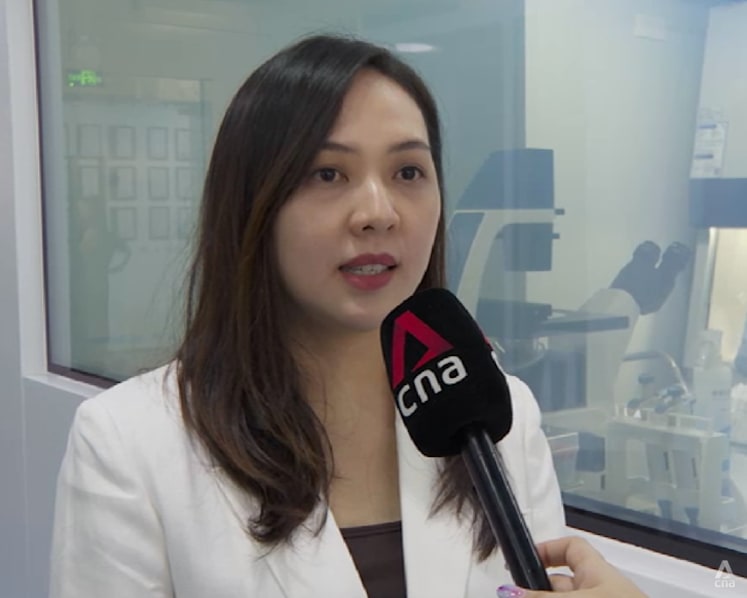
“China combines major hospital manufacturing capacity and a rapidly growing cell therapy ecosystem. It has also gradually opened parts of the biotechnology sector to foreign participation.”
The company has since partnered with the First Affiliated Hospital of Xiamen University.
In July, it also opened a research and manufacturing lab in Xiamen as it prepares for its first-in-human clinical trials, with tests and patient recruitment underway.
“We estimate that a small-scale first-in-human cell therapy study in China could be moderately lower in cost, potentially (by) around 20 to 50 per cent, compared with conducting an equivalent programme in Singapore,” Ms Seah said.
The regulatory and clinical trial site preparations could also be shortened by several weeks to a few months, depending on the hospital and study design.
NAVIGATING CHINA’S EVOLVING REGULATIONS
But navigating the country’s complex healthcare market regulations remains a key challenge for biomedical firms expanding into China.
The country has been implementing new regulations aimed at supporting biomedical innovation and helping new treatments reach patients.
Among them is State Council Decree No. 818, which came into effect in May. It sets out how new biomedical technologies can be brought into clinical use in China.
It also provides an alternative pathway for eligible biomedical treatments, which could help accelerate their development and entry into the market.
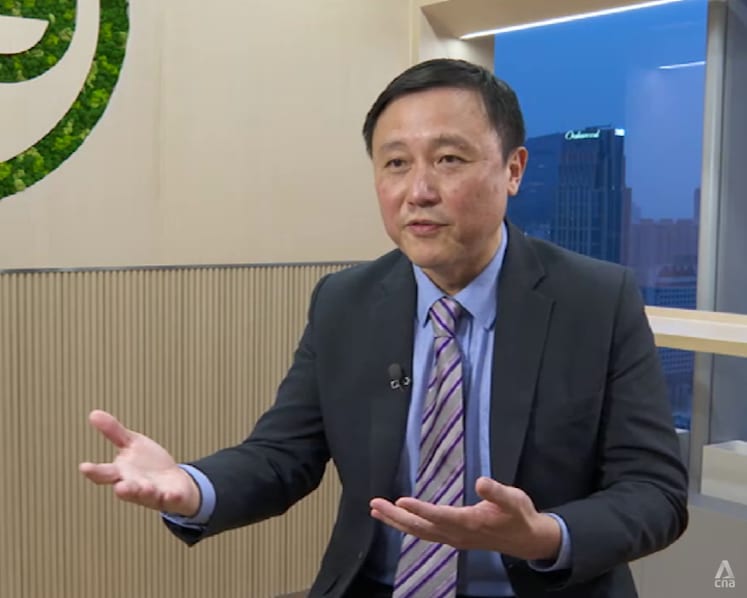
Enterprise Singapore (ESG) works closely with stakeholders, including government officials and clinical research organisations, in order to understand the regulatory changes and help Singapore firms.
“The market is very complex. It's important for Singapore companies to really understand the complexity,” said ESG’s executive director for China, Kow Juan Tiang.
“Once we understand the regulations, we work with Singapore companies to trade information and get them more familiarised with the particular regulation.”
This helps Singapore companies better prepare for any potential challenges in their business and identify new business opportunities, he added.
The agency said it will continue helping Singapore firms build partnerships in China and leverage the country’s biomedical ecosystem to turn research into treatments for patients in China and beyond.
KioskNews shows a cleaned-up reading view extracted from the publisher’s page — the original always lives on their site, not ours.