5 reports, no rescue: why Japan’s bureaucrats still miss child abuse
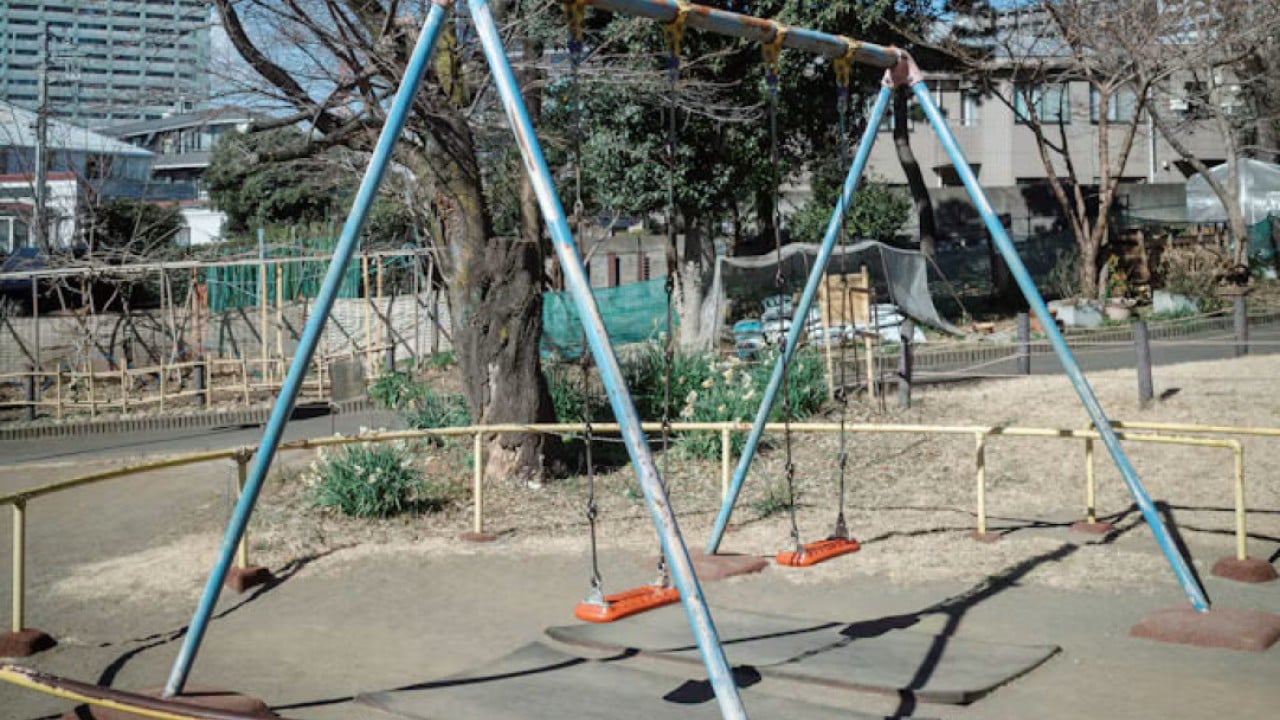
The death of a three-year-old girl in Japan from suspected abuse, despite repeated warnings to welfare officials, has renewed public outrage and scrutiny over why the country’s child protection system continues to fail vulnerable children after years of reform.
Erena Kanao was found dead in her family’s flat in the city of Hirakata, Osaka prefecture, in the early hours of August 3, police said. Her father, Kentaro Kanao, 33, initially denied physically abusing his daughter, claiming he had merely been “disciplining” her.
On November 13, he was arrested on suspicion of abuse and murder after an investigation found more than 50 bruises and scars on the child’s body, both recent and older injuries. Police told the Yomiuri newspaper that he is suspected of repeatedly hitting his daughter on the head, abdomen and back in the hours before her death.
The girl’s mother has also been arrested on suspicion of abandoning a child resulting in death for failing to intervene and stop the abuse.

The focus of the investigation quickly turned to why Erena’s suffering was not dealt with earlier, revealing cracks in Japan’s welfare system that experts warn will be difficult to eradicate.
Staff at the girl’s day care and kindergarten filed five separate reports with Hirakata city welfare officials starting in July 2025. City officials visited the home and questioned the parents, but accepted the father’s denial and took no further action. Even after the city formally notified the Osaka prefectural child guidance centre in July 2026 following the fifth report, prefectural officials failed to contact or meet the family before Erena’s death.
Fujiko Yamada, founder of the Kanagawa-based Child Maltreatment Prevention Network - now known as Child First Japan - has seen countless cases of child abuse, but said this incident triggered intense public and media anger because it amounted to deliberate torture – and showed that authorities had failed to learn from past tragedies.
“This is a special type of abuse because it combines both physical abuse over an extended period of time and psychological abuse,” Yamada said.
“Child abuse generally happens when a parent loses self-control,” she said. “But child torture happens when the perpetrator wants the child to obey him or her – they want to humiliate and control the child.”
Studies indicate that many perpetrators were themselves victims of abuse in childhood, though Yamada noted that others showed psychopathic traits and lacked empathy, even towards their own children.
She pointed out that several high-profile cases in recent years had sparked similar waves of public fury without producing lasting solutions.
In March 2018, Yua Funato weighed just 12.2kg (27lbs) when she was found dead in her family’s home in Tokyo from sepsis, pneumonia and severe malnutrition. She had been repeatedly beaten, locked away and forced to wake up at 4am to write entries in a notebook begging her parents for forgiveness.
The failure of social services to take her into care was blamed on communication breakdowns after the family changed addresses. Her stepfather, Yudai Funato, was sentenced to 13 years in prison for abuse leading to death, while her mother, Yuri, was given an eight-year term for failing to seek medical help or report the abuse.
Public anger intensified when excerpts from Yua’s notebooks were read out in court, including the plea: “Please forgive me. Tomorrow I will try harder.”
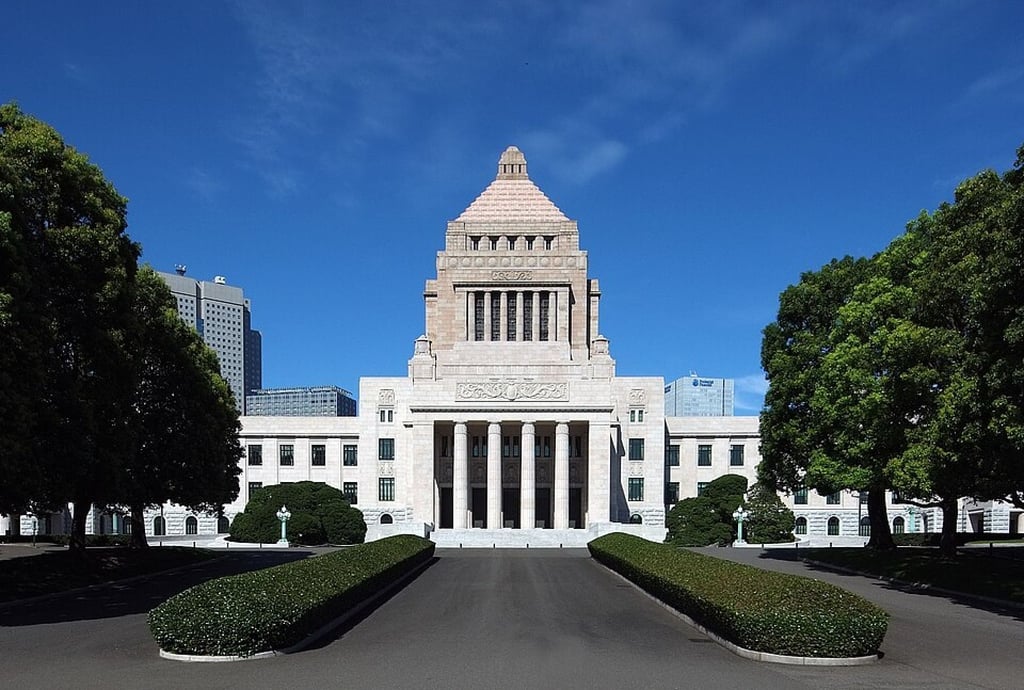
The case sparked urgent calls for legislative reform - which eventually led to an amendment to the Child Abuse Prevention Act outlawing corporal punishment by parents - but another notorious tragedy took place before those changes took effect.
In January 2019, before those reforms were enacted, Mia Kurihara was found dead at her home in Noda, Chiba prefecture, after suffering prolonged abuse, starvation and sleep deprivation at the hands of her father, Yuichiro Kurihara.
Two years earlier, Mia had confided in a school questionnaire that her father beat and kicked her at home and pleaded for help. The local board of education drew widespread criticism after handing the confidential report over to her father when he demanded to see it.
An inquiry later blamed Mia’s death on documents not being passed on when the family moved addresses and on cancelled home visits. In 2020, her father was sentenced to 16 years in prison, while her mother, Nagisa, received a 30-month term, suspended for five years, for assisting her husband’s abuse, not feeding her child and not reporting the abuse. In its ruling, the court took into account that her husband had also abused her.
Erena’s death has now reignited urgent questions over why such tragedies continue despite previous reforms.
In an editorial published on Monday, the Yomiuri newspaper asked: “Why does this keep happening even though countermeasures have been strengthened after each incident?”
The commentary expressed “intense outrage” at prefectural welfare officials, who chose not to take Erena into protective custody despite evidence of abuse.
“Children should be cherished all the more in our modern society, which has a declining birth rate,” it added. “Yet these heartbreaking tragedies continue to occur. It is imperative to improve working conditions at relevant agencies and urgently work to develop and retain staff.”
Professor Hiroyasu Hayashi, a specialist in child abuse and welfare at Japan Women’s University in Tokyo, said Erena’s death was primarily the result of failures by individual personnel rather than flaws in the system put in place to stop such tragedies.
“It appears that day care officials again and again informed the city that there was a problem but that staff at the city level did not act,” he said. “The biggest problem is the rapid turnover of staff and the lack of training and continuity.”
Welfare officials are local authority bureaucrats who are not necessarily trained in child protection and typically serve three years in a position before being rotated to a completely different department within the local administration.
“These people are not professional social workers but general bureaucrats,” Hayashi said. “They do not have the training that is required and are only in these positions for a short time before they are promoted elsewhere.”
He is also sceptical that local governments are willing to overhaul an entrenched system if doing so disrupts established routes to promotion.
The caseload remains immense: Japan’s child guidance centres handled 223,691 cases in the 2024 financial year ending March 31, 2025, down 0.8 per cent from the previous year, while police pursued arrests or prosecutions in 2,592 criminal child abuse cases in 2025.
Yamada agrees that Erena’s death has triggered public anger and a response by welfare authorities, but fears precedent suggests it will be short-lived.
“Yes, they are calling for better systems to share information so children do not slip through the cracks and for the welfare workers to be more proactive, but the reports these agencies release and the recommendations they make are too abstract,” she said.
“The national government needs to give them much clearer and concrete directions on what to do when they believe abuse is taking place and greater powers to take children into protective custody,” she said. “Until they do that, this is going to keep happening.”
KioskNews shows a cleaned-up reading view extracted from the publisher’s page — the original always lives on their site, not ours.