Vehicle may have sparked Mongolia wildfire, putting China rescuers on high alert
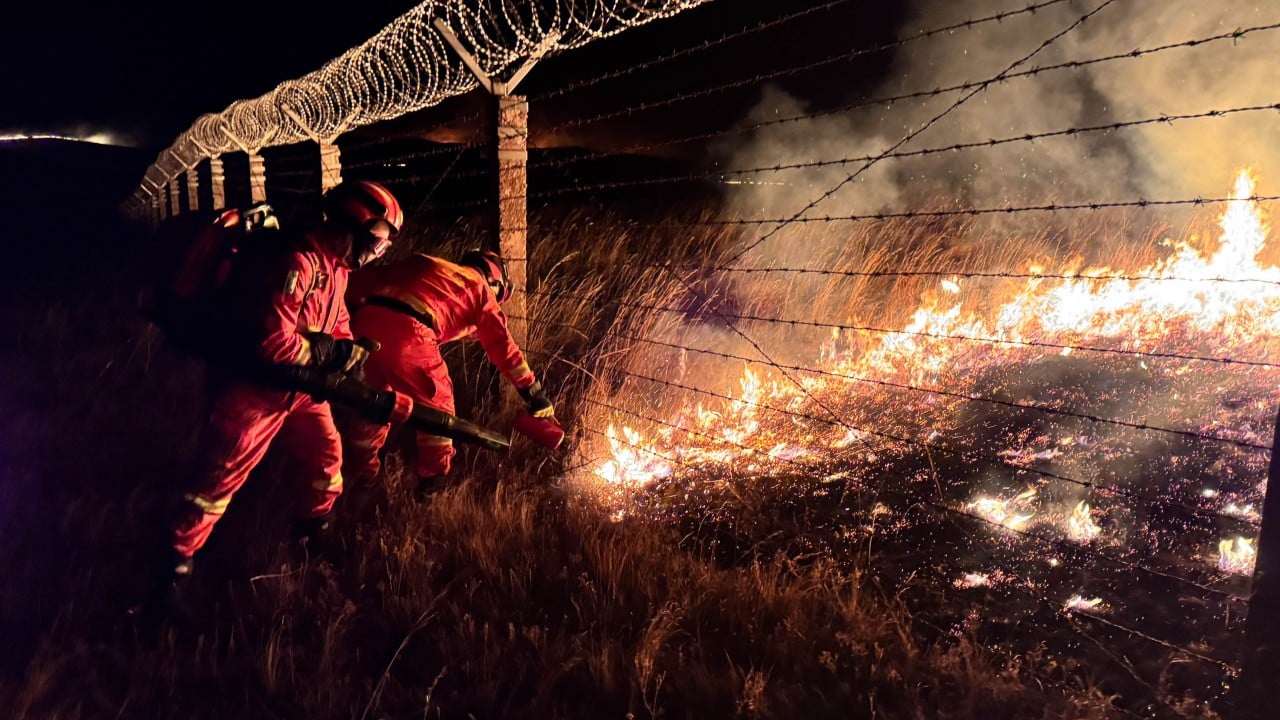
A grassland fire in Mongolia has raised fresh concerns in China, underscoring the recurring risk of cross-border environmental hazards.
This is not the first time an environmental disaster originating in Mongolia has threatened to cross the 4,700km (2,920 miles) border into China, with the impacts sometimes also affecting the Korean peninsula and Japan.
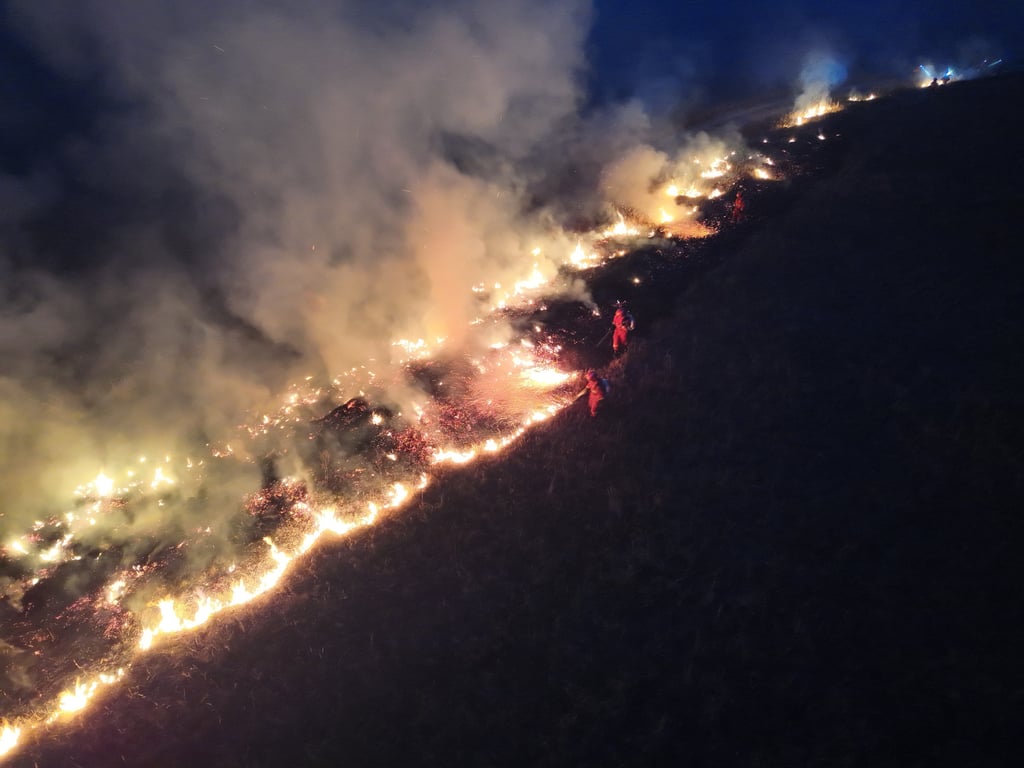
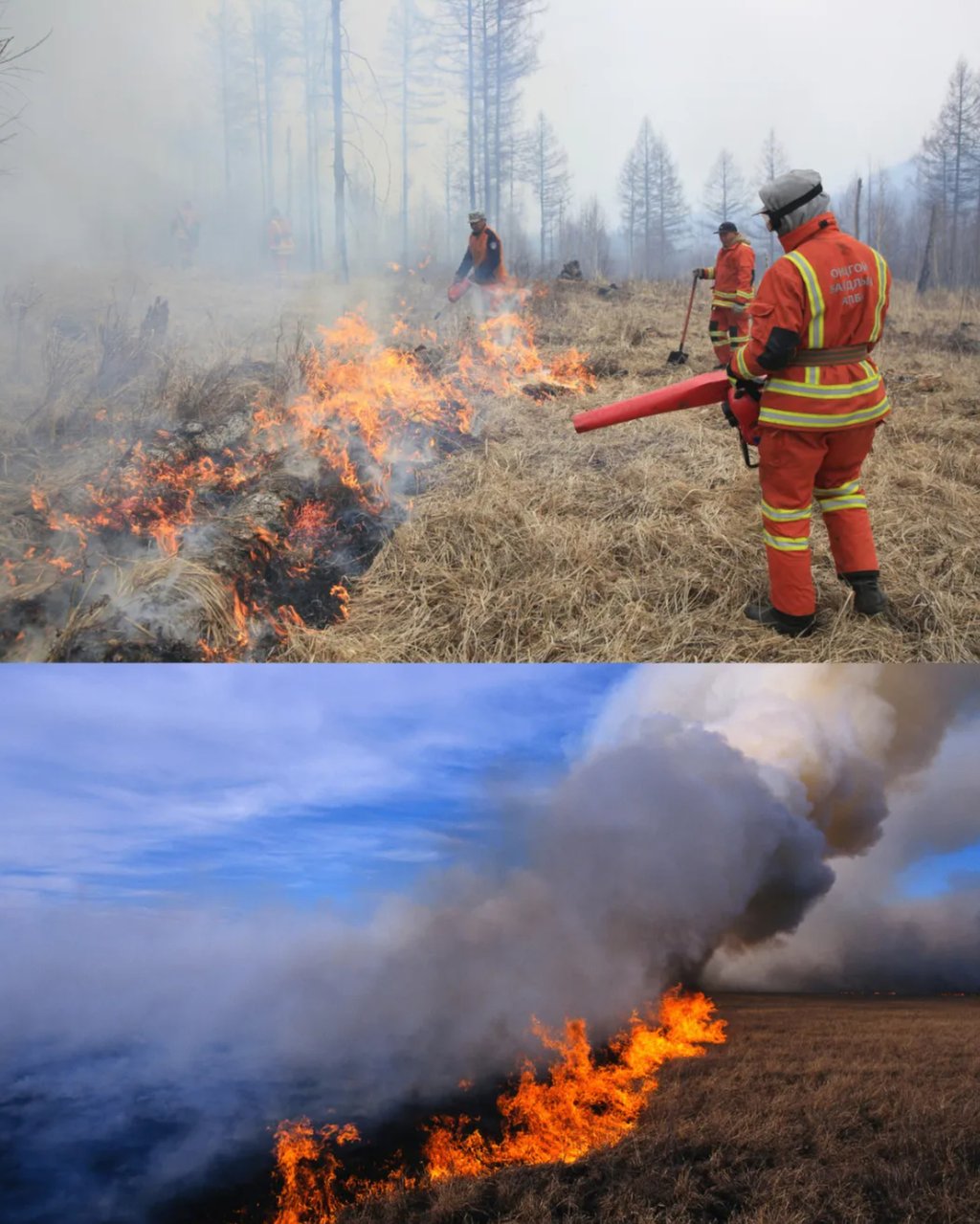
The blaze, which erupted on October 8 in the inland country’s easternmost Dornod province bordering Russia and China, advanced rapidly towards China’s Inner Mongolia autonomous region, driven by strong autumn winds and drought conditions.
China’s consulate-general in Zamyn-Uud expressed Beijing’s concern over the steppe fire in a meeting with the province on Tuesday, urging timely updates and intensified firefighting operations. China was ready to support the rescue efforts, he said.
China has deployed 3,400 personnel, including professional firefighters and local emergency staff, along the border to respond to any possible incursion of the fire, state news agency Xinhua reported on Tuesday. Artificial precipitation also brought light rain to the fire’s frontline, it said.
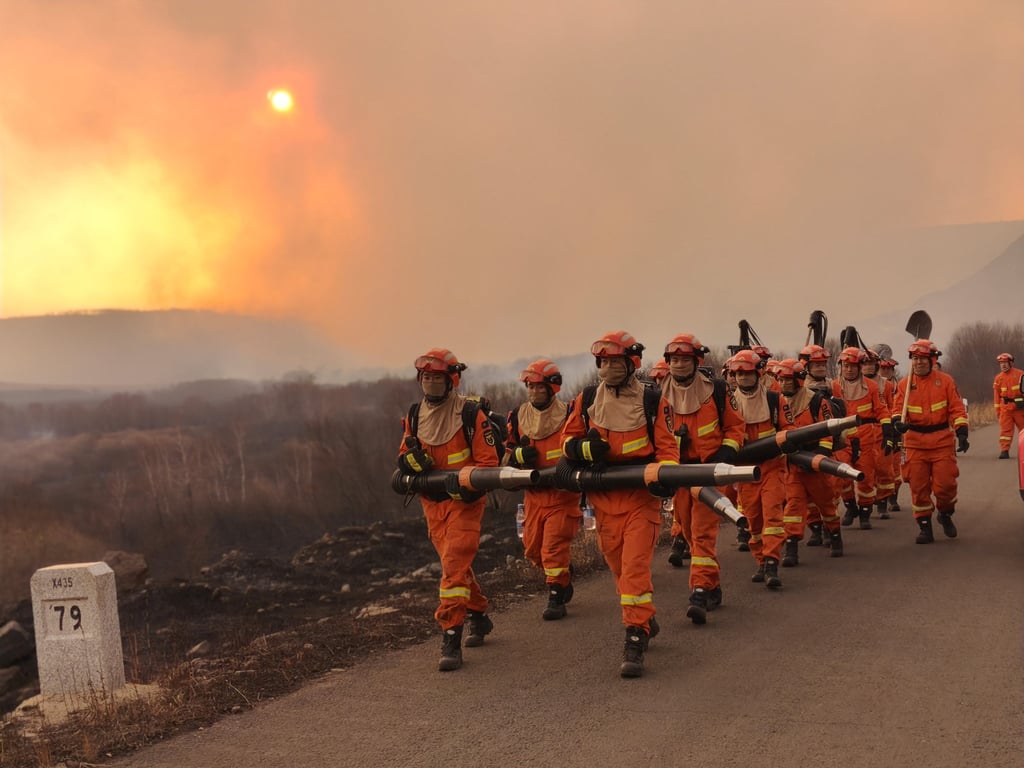
Emergency crews patrolling key sections of the border have been equipped with heavy equipment and have taken measures including suppressing cross-border flames, widening firebreaks and clearing combustible vegetation to intercept the advancing blaze.
Photos and videos released by the National Forestry and Grassland Administration show firefighters working at night to extinguish flames along a barbed-wire fence. Dry grassland can be seen burning on the Mongolian side.
According to Xinhua, the fire appeared to be under control as of Tuesday, with no visible flames or smoke points along the Chinese side of the border line. No casualties had been reported and local authorities would continue monitoring, it said.
Some local media reports have said the fire was caused by a vehicle belonging to Mobicom, Mongolia’s first mobile operator, whose representatives were in the area at the time.
Local news outlet Eguur News reported on Thursday that a five-vehicle convoy led by a Mobicom director entered the protected area on October 8, with official permission.
However, one of the vehicles caught fire, ultimately sparking the wildfire, according to outlet Eguur News, citing a company statement.
Mobicom was founded as a joint venture between Mongolia’s Newcom Group and Japan’s Sumitomo Corporation, before being acquired by the Japanese telecom giant KDDI in 2016.
Mongolia’s National Emergency Management Agency said on Wednesday that the fire had been brought under control, with firefighters remaining on site to conduct mop-up operations and ensure full extinguishment.
Wildfires from Mongolia have crossed the border before. In April 2021, a fire that burned about 1,800 sq km of Mongolia’s Sukhbaatar province spilled over to the Chinese side where it was blocked by the border patrol road and an emergency firebreak.
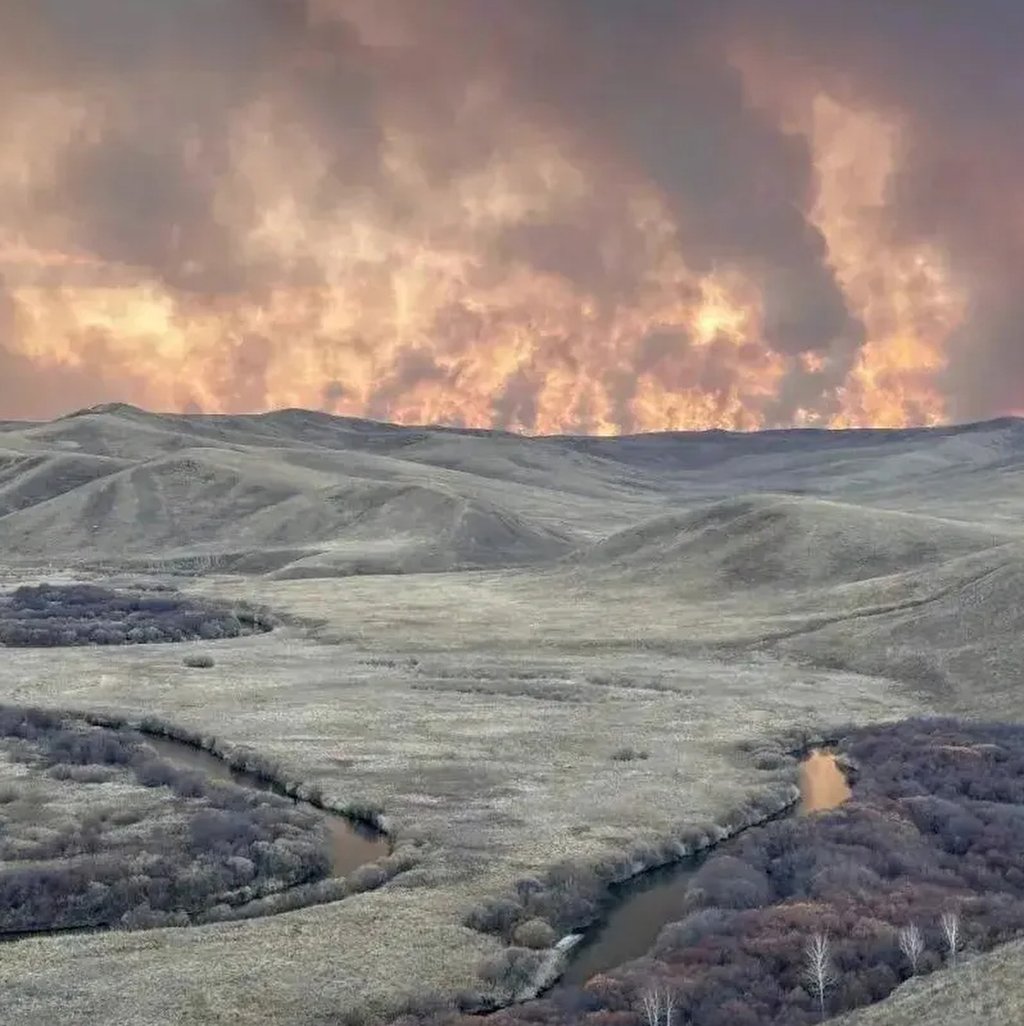
Unlike fires that can sometimes be contained through human intervention, dust storms cannot be stopped at any border.
Once strong winds lift sand and dust from Mongolia’s Gobi Desert and degraded grasslands, the particles can travel hundreds or even thousands of kilometres, reaching much of China’s northern provinces and occasionally as far as the Korean peninsula and Japan.
In March 2021, one of the most severe dust storms in a decade swept across Mongolia and northern China.
In Beijing, PM10 concentrations – a measure of inhalable particles that can harm human health – surged to the highest level in 10 years, with some local readings exceeding 9,000 micrograms per cubic metre. In Mongolia, the disaster killed at least 10 people, while hundreds of livestock were lost.
Another major dust storm struck Mongolia and northern China in March 2023, affecting more than 4 million sq km and reaching 20 Chinese provinces.
Other significant cross-border events in recent years have included a mixed dust-and-snowstorm in the Gobi Desert in April 2019 and a relatively rare autumn dust storm in October 2020.
Scientists attribute these recurring disasters to a combination of land degradation in Mongolia, driven by overgrazing and unsustainable development, and the intensifying warming, drought and extreme weather associated with global climate change.
Beijing has sought to address the cross-border hazards with its landlocked neighbour. Early environmental discussions began in the 2000s. However, formal joint action was slow to materialise until recent years.
In a joint statement issued during Mongolian President Ukhnaa Khurelsukh’s state visit to China in 2022, the two countries pledged to strengthen cooperation on ecological and environmental protection, desertification prevention and control.
The two sides signed a framework agreement in Ulaanbaatar in the following year to support Mongolia’s 1 billion trees initiative. They also launched the China-Mongolia Desertification Prevention and Control Cooperation Centre to coordinate joint anti-desertification initiatives.
KioskNews shows a cleaned-up reading view extracted from the publisher’s page — the original always lives on their site, not ours.