Liberman's Yisrael Beytenu projected to win 7-8 seats in next Knesset, election exit polls predict
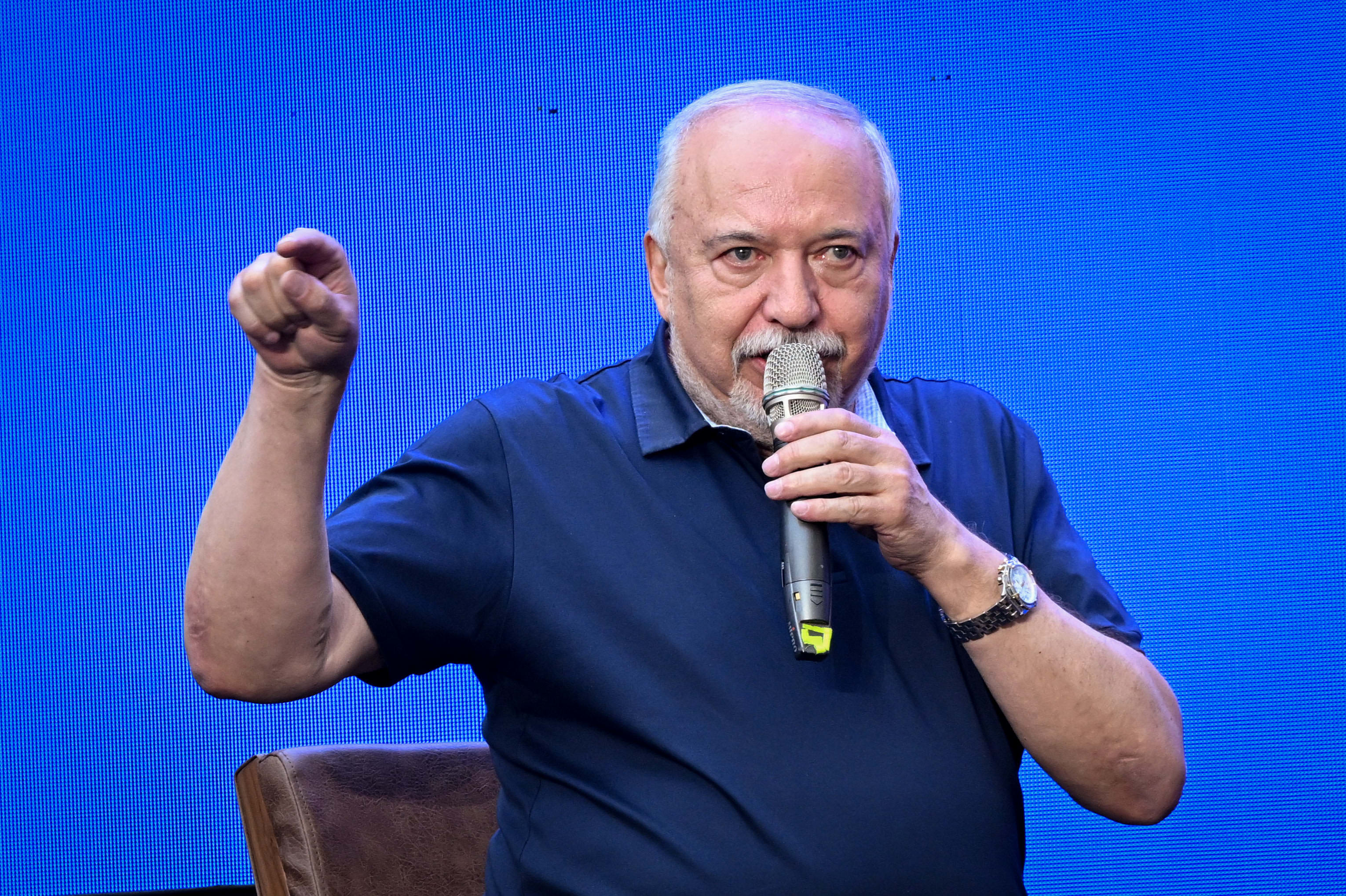
Yisrael Beytenu, led by Avigdor Liberman, is projected to win 7 to 9 seats in the next Knesset, exit polls suggested on the evening of October 27 in Israel.

Exit polls on the evening of October 27 project Yisrael Beytenu, led by Avigdor Liberman, to win 7 to 9 seats in the next Knesset. Yisrael Beytenu has campaigned as part of the opposition to the ruling coalition led by Prime Minister Benjamin Netanyahu. Israel’s Channel 12 put the party at 9, while Kan was at 8 and Channel 13 at 7.
Liberman urged voters throughout the day to keep voting and to remove the “October massacre government,” referring to the current government that was in charge on October 7, 2023, when Hamas attacked. “Put a note in the box today, and you'll get public transportation on Shabbat starting tomorrow,” he wrote on X/Twitter. “Oust the government of the October 7 massacre and the draft dodgers!”
Polls closed at ten in the evening after a day that saw high turnout in the morning and scattered showers of rain in the afternoon. The Central Election Committee denied a request by Likud to extend the voting hours. Channels 11, 12, and 13 published exit polls on Tuesday night. Yisrael Beytenu has six seats in the current 25th Knesset.
Yisrael Beytenu has generally polled between 7 and 10 seats since August 2026. The polling data was also generally consistent. Over the last decade and a half, Yisrael Beytenu has drawn support from a diverse group of people across Israel. Originally popular with immigrants from the former Soviet Union countries and their descendants in the early 2000s, it has drawn support from many groups in the last elections. For instance, on October 20, former National Security Council head and longtime Likud politician Tzachi Hanegbi said he would vote for Liberman in the October 27 election.
In early October, a report said Liberman had suggested handing over Palestinian areas to Jordan. He also slammed Netanyahu for fearmongering about Iran before the October 27 elections. He has rejected relying on the support of Arab parties to form a coalition in the Knesset. He has also warned that the US could recognize a Palestinian state in coming years.

Yisrael Beytenu led by Liberman, the Netanyahu ally turned rival
Yisrael Beytenu was founded in 1999 by Avigdor Liberman, who was a Likud activist in the 1990s and Director-General of the Prime Minister's Office when Benjamin Netanyahu was Prime Minister in the 1990s. He resigned due to concerns about concessions to the Palestinians.
As head of Yisrael Beytenu, he left the party to join a coalition with the National Union in the early 2000s and became a minister in the government. The party rose to 15 seats in 2009 and then ran with Likud in 2013. Liberman became Minister of Defense from 2016 to 2018. He resigned over what he saw as appeasement of Hamas.
On October 27, there were reports in the afternoon that a high turnout among Arab voters might increase the share of seats of Ra’am and the Joint List, essentially meaning that Yisrael Beytenu might not cross the 3.25 percent threshold of votes needed to enter the Knesset.
The results of the election on October 27 will have major implications for the coalition negotiations. Exit polls are preliminary projections, and the final seat distribution will depend on the official vote count.
KioskNews shows a cleaned-up reading view extracted from the publisher’s page — the original always lives on their site, not ours.