India’s Modi faces dual pressure from ‘cockroach’ movement, opposition parties
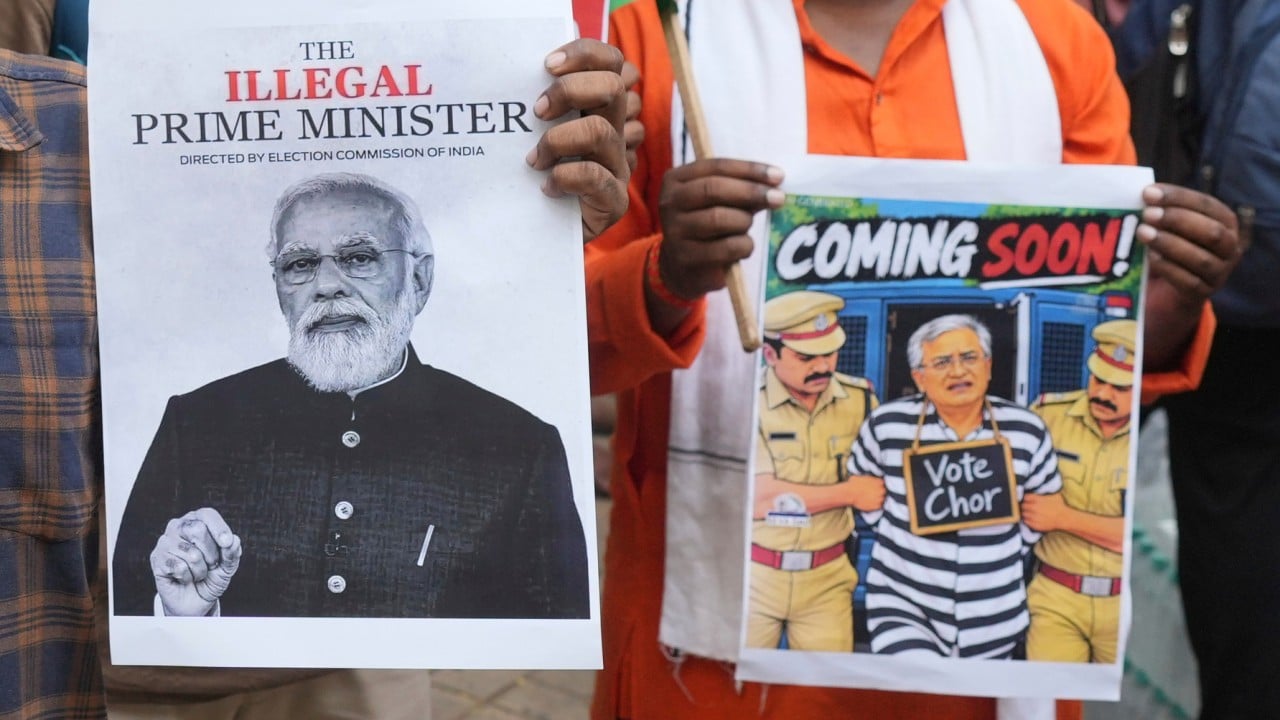
India’s opposition parties and the youth-led “cockroach” movement took to the streets on Friday, demanding action over alleged irregularities in voter rolls and calling for the resignation of the country’s chief election commissioner, as the combined pressure from the two groups poses a new challenge for Prime Minister Narendra Modi’s government.
The protests have brought the opposition closer to the youth movement that it has sought to engage with, according to analysts. While their convergence could boost India’s fragmented opposition, turning it into a lever to yield concessions from the ruling Bharatiya Janata Party (BJP) would be harder, they added.
Leaders of around 20 parties in the opposition India National Developmental Inclusive Alliance, or INDIA, rallied against the Election Commission’s revised voter rolls, which critics say have potentially removed millions of eligible voters from the electoral register.
Chief election commissioner Gyanesh Kumar has come under scrutiny after The Indian Express reported last month that he bypassed two other election commissioners, Sukhbir Singh Sandhu and Vivek Joshi, before the revision. The two commissioners had repeatedly raised objections to aspects of the process, including deletion and addition of voters, according to the report.
The Election Commission has rejected suggestions of an internal crisis, saying all three commissioners approved the changes and that their different views are normal during its deliberations.
In addition to calling for Kumar’s exit, the main opposition Congress Party has demanded Modi and Home Minister Amit Shah resign, saying they have no “moral right” to remain in office.
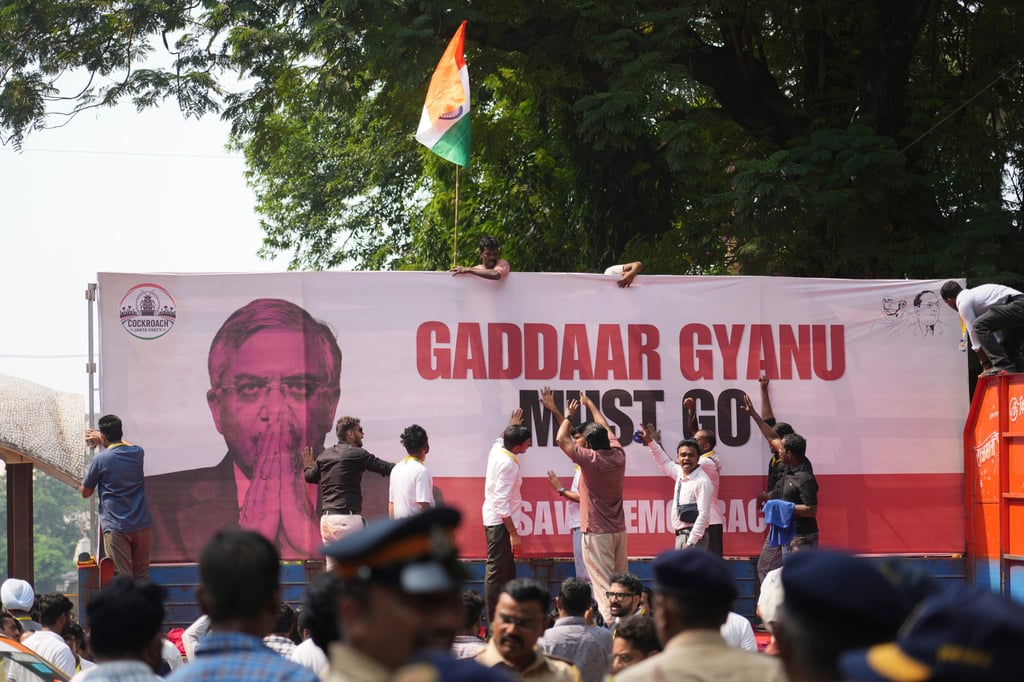
Harsh Ramaswamy, an independent political commentator, said the success of the student-led Cockroach Janta Party (CJP) had given the opposition momentum in seeking more public support.
The movement emerged in May after Chief Justice Surya Kant referred to people with fake or bogus degrees as “cockroaches”, remarks that were widely interpreted as a swipe at young Indians facing problems with education and employment.
Kant later clarified that he was not referring to Indian youth, but by then the “cockroach” label had taken on a life of its own, with young protesters adopting it to mobilise and air their grievances over jobs and the country’s educational institutions
Thousands of students and young supporters joined CJP demonstrations across New Delhi and other cities in June and July, protesting a medical entrance exam paper leak and other alleged irregularities in the examination system and demanding the resignation of Education Minister Dharmendra Pradhan.
After weeks of protests, Pradhan resigned on July 25, handing the movement a significant victory.
The opposition has sought to ride on the movement’s momentum. Several INDIA parties have backed CJP’s protests and demands, although the movement has maintained that it is not part of the opposition alliance.
Snigdha Sony, who works as a senior researcher on labour and migration issues after completing her master’s degree in development studies from Delhi University, said she supported the demand for Kumar’s resignation and the cockroach movement’s protests, hoping they could lead to changes in the entrance examination system.
Ramaswamy said: “The opposition’s calls are making sense among citizens, and that is echoing through the non-political organisations like the cockroach movement.”
The examination issue is unlikely to pose a serious threat to the government, according to Ramaswamy.
New Delhi would not agree to demands for the chief election officer’s resignation weeks after the education minister’s resignation, as doing so would signal its weakness, he added.
However, he warned: “If the government resists the cockroach movement or tries to suppress it, it could burst into a larger issue.”
Who leads the opposition?
The INDIA opposition alliance lacked the wherewithal to leverage the issue compared with the BJP’s well-oiled machinery and strong backing from its ideological mentor, the Hindu group Rashtriya Swayamsewak Sangh, Ramaswamy said.
“There is consensus among them [the opposition parties] on national issues, but they don’t have continuity. When it comes to elections in states, they fight among themselves,” he added. “They don’t have one central key figure.”
Several Indian states are due to hold elections next year, including Uttar Pradesh, Punjab, Uttarakhand, Himachal Pradesh, Gujarat, Manipur and Goa.
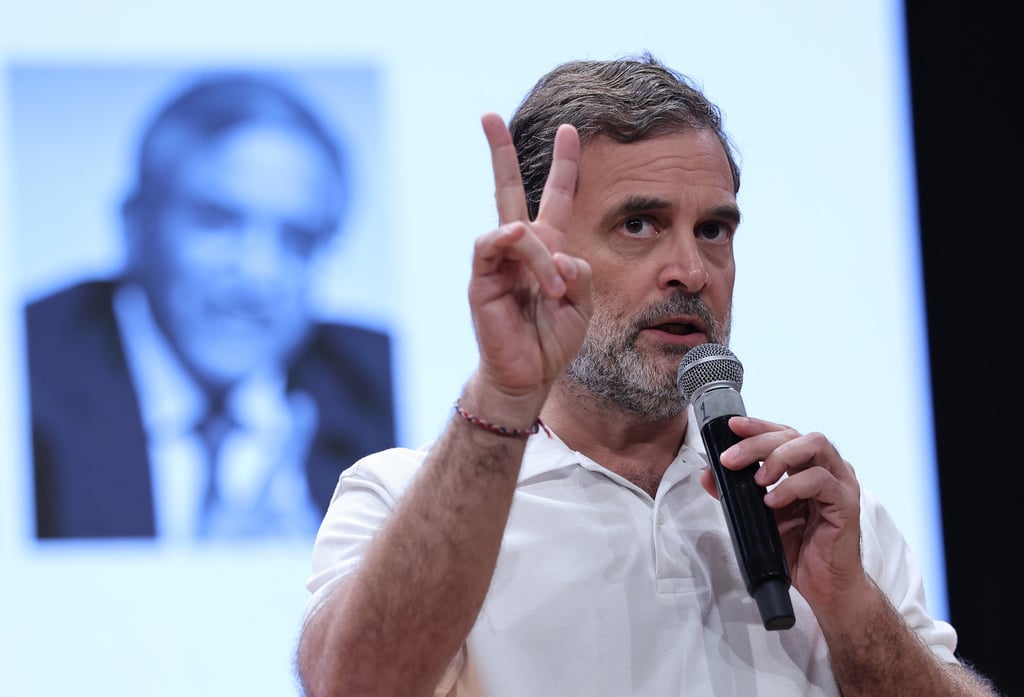
Rahul Gandhi, the main opposition Congress Party’s de facto leader, may have gained in stature in recent months as a political leader, but he is not a top contender to replace Modi as the country’s leader, according to Ramaswamy.
Kingshuk Nag, an author and independent political commentator, said: “Gandhi is gaining support, but not enough. Not many people see him as a guy who can take over from Modi. Modi is seen as far smarter than him.”
The BJP-led National Democratic Alliance is currently serving a historic third consecutive term in office. Modi is the second leader in Indian history – and the first outside the Indian National Congress – to have won three straight general elections in 2024.
After the BJP lost its outright majority in the last parliamentary election and had to rely on its allies to remain in power, it went on to secure victories in important state elections including West Bengal, Bihar and Delhi.
Nag said there was uncertainty over how 76-year-old Modi could handle the responsibilities of the top job at his age.
Nilanjan Mukhopadhay, an independent political commentator, said that given the BJP coalition’s slim parliamentary majority, it would have to be more accommodating to the demands of Indian voters.
Calling the parallel protests by the opposition and the student-led cockroach movement a positive development, Mukhopadhyay added: “In terms of democracy, this is a good sign. It paves the way for the government and ruling party to be more consensual in nature.”
KioskNews shows a cleaned-up reading view extracted from the publisher’s page — the original always lives on their site, not ours.