Losing even one hour of sleep can make you more susceptible to scams
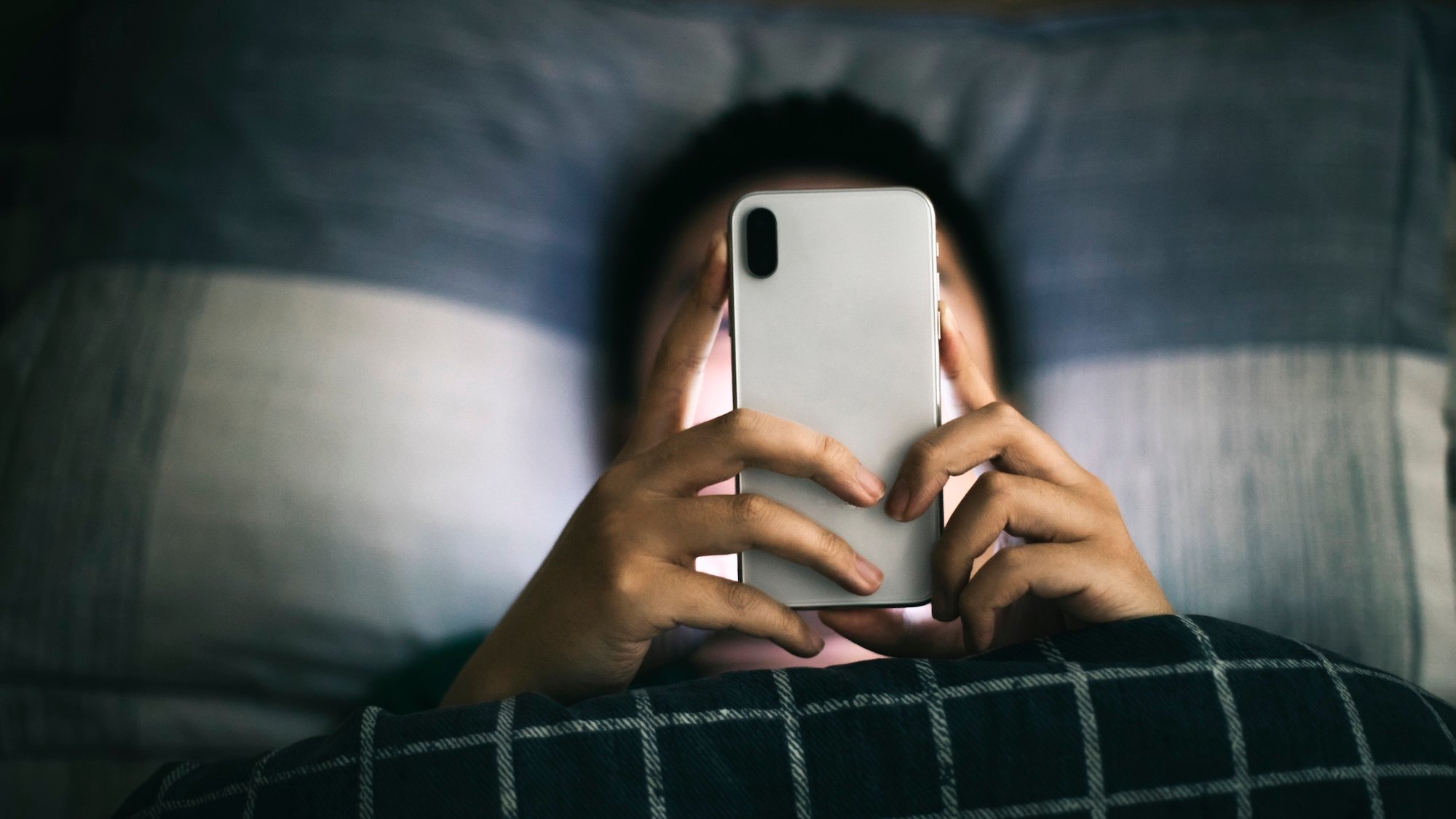
A poor sleep schedule doesn’t only affect your overall mood, energy levels, and long-term health. New evidence indicates that losing as little as one hour of rest may increase your chance of falling for an online scam by over 10 percent the following morning. Neurobiologists at the University of California, Irvine, laid out their findings in a study published today in the Proceedings of the National Academy of Sciences (PNAS), arguing that even minimal sleep disruptions can have almost immediate consequences.
“Our results demonstrate that even though you may not be aware of it, lack of sleep leads to impulsive choices, and you may lose more than you gain from putting sleep on the back burner,” said UC Irvine neurobiologist and study co-author Eitan Schechtman.
If you have already fallen prey to a scam email in the past, you can at least take some small comfort in the knowledge that you aren’t alone. Cybercrimes continue to increase exponentially in the United States. The FBI’s Internet Crime Complaint Center received over one million reports in 2025—a nearly 25 percent increase from only five years earlier.
Remaining aware of con artist tactics and staying up-to-date on personal cybersecurity strategies are some of the best ways to protect yourself. However, Schechtman and his colleagues recently wondered if something as seemingly inconsequential as a single evening of bad sleep may also put people at risk for schemes like an email phishing attack. To investigate, the team partnered with a large, unnamed company as it ran a cybersecurity awareness campaign for more than 11,000 employees. Multiple times a year, the company’s IT department issued emails imitating phishing attempts, then tallied how many workers clicked through the fake malicious links. Schechtman’s team then analyzed results both before the switch to Daylight Saving Time (DST), as well as the Monday after employees lost an hour of sleep.
On the Monday prior to DST, workers clicked on a phishing email link about 15.5 percent. of the time. Then, the Monday immediately following DST saw that rate rise to about 17.7 percent. That may not seem like much, but the difference comes out to about a 13 percent increase in phishing victims after losing approximately just one hour of sleep. According to Schechtman, there are multiple ways to contextualize these results.
“First, they give us a peek into the effects of very minor sleep loss… [from] Daylight Saving Time, which is similar in scope to the kind of sleep loss that many of us experience daily,” he said. “Although we focused on cybersecurity, many of our day-to-day decisions are likely compromised in similar ways.”
Schechtman hopes both employers and cybersecurity companies take regularly sleep-depriving events like DST, holidays, and even primetime sporting events into consideration when advising the public on phishing awareness. In the meantime, he stressed that even those who regularly suffer from sleep issues continue to prioritize their rest as much as possible.
KioskNews shows a cleaned-up reading view extracted from the publisher’s page — the original always lives on their site, not ours.