Reform UK and Greens no longer considered main parties, stark new poll shows
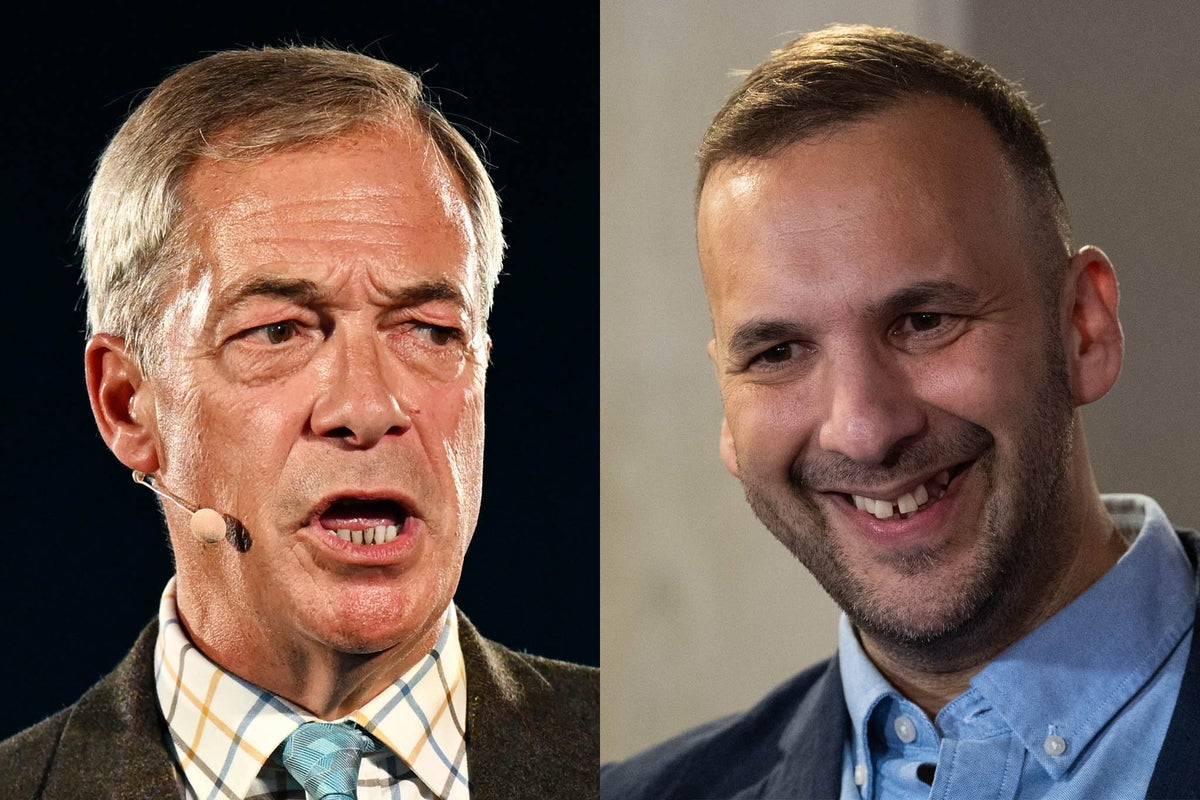
Reform UK and the Greens are no longer considered “main parties”, with voters appearing to lose faith in Nigel Farage’s chances of becoming prime minister.
According to the latest YouGov polling, only Labour (90 per cent) and the Tories (86 per cent) are now considered to be main parties capable of forming a government among a majority of voters.
The most dramatic fall in confidence was reported for Reform UK, which is now only considered to be a main party capable of winning an election by 44 per cent, down 17 per cent from last month.
Meanwhile, Zack Polanski’s Green Party has slid to less than a quarter (16 per cent) of people seeing them as a main party, down eight points.
The Lib Dems continue to not be seen as a main party despite having more than 70 MPs, with 34 per cent, down four points in a month where leader Sir Ed Davey had to see off a potential challenge.
But the views appear to reflect a changing attitude to the two populist parties of the left and right, especially Reform whose vote has collapsed by 12 points in a year, with people no longer seeing Mr Farage as a future prime minister.
The drop in support for Reform comes after the party was beset with scandals over its donations, which have seen Mr Farage investigated by the standards commissioner, and police investigations for Treasury spokesman Robert Jenrick and deputy leader Richard Tice.
Added to that, a Channel 4 undercover sting over alleged illegal donations saw the departure of Mr Farage’s chief of staff Dan Jukes and policy director James Orr, while revelations in an ITV investigation last week lifted the lid on widespread racism within the party.
YouGov stated: “While trends in recent voting intention polls still have a way to go before a ‘return to a two-party system’ can be truly declared and the likelihood of a hung parliament falls, perceptions of the party system are already heading that way.
The polling also reflects attitudes towards coalitions following Tory leader Kemi Badenoch admitting she would rather have a second election than do a deal with Reform, and Labour prime minister Andy Burnham ruling out a deal with the Greens unless they drop their conference motion “Zionism is racism” which he has branded antisemitic.
YouGov noted: “Of the potential coalition combinations polled, none hold support from a majority, or even a plurality, of the public. Nonetheless, some are less unpopular than others.
“A coalition between Labour and the Lib Dems, in which Labour were the largest party and Andy Burnham was the prime minister, splits the public, with 42 per cent saying they would be supportive of such a government being formed in a hung parliament and another 42 per cent being opposed.”

A Tory coalition is much less popular.
YouGov’s report pointed out: “Conservative-led coalitions are less popular, with just a quarter of Britons (25-26 per cent) being in favour of Kemi Badenoch presiding over coalitions with either the Liberal Democrats or Reform, relative to around six in ten (58-61 per cent) being opposed to such arrangements.
“Most current Conservative supporters would support either arrangement, though more are in favour of the party forming a coalition with the Lib Dems (68 per cent) than Reform (60 per cent), and with at least 28 per cent opposed to either coalition. Lib Dem supporters do not return the favour, with 58 per cent of those currently intending to vote for the party opposed to a repeat of the Cameron-Clegg government, although 36 per cent are in favour.”
With Mr Burnham proposing electoral reform to ensure multi-party governments, the polling shows that the idea is relatively unpopular among voters.
A majority of Britons (53 per cent) would rather Westminster governments were formed by one party alone, compared to just 25 per cent favouring a situation where two or more parties governed together in coalition.
KioskNews shows a cleaned-up reading view extracted from the publisher’s page — the original always lives on their site, not ours.