Air pollution linked to higher risk of suicidal thoughts? Study reveals what exposure to PM2.5, PM10 does
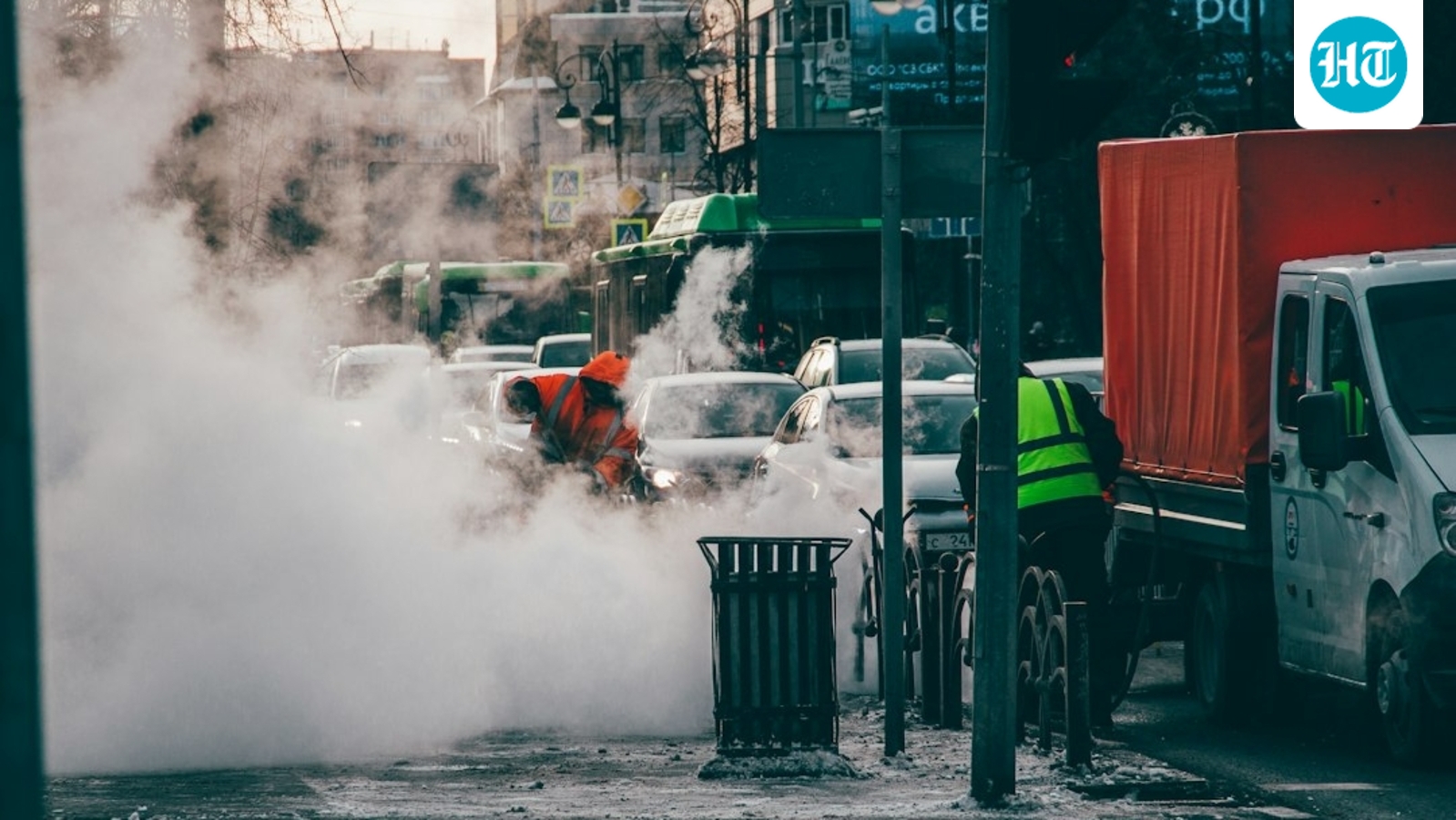
Exposure to air pollutants may be associated with a higher risk of suicide or suicidal thoughts, according to findings published in a journal.
Published in the Journal of Epidemiology and Community Health, the findings highlight the potential role of environmental exposures as modifiable factors that could be considered in suicide prevention efforts, news agency PTI reported, citing researchers.
Also Read | From lungs to brain: Delhi’s pollution may have a deeper health cost
Findings of the study
Researchers from Queen’s University Belfast in the UK analysed findings from 29 studies examining the relationship between exposure to air pollution and suicide or suicidal thoughts.
According to the researchers, cited in the report, air pollutants and water polluted with lead, lithium, nitrate, or arsenic have been linked to neurological effects, which can affect brain function and influence stress resilience.
The researchers have also noted that the interplay of individual, biological, and contextual factors means that suicide prevention is really a public health issue.
Meanwhile, the team also stated that positive links might exist for other air pollutants, like sulphur dioxide, and also noise pollution.
They also said that traffic, other environmental noise, and light pollution has been suggested in studies to increase stress levels.
The authors wrote, "This meta-analysis shows statistically significant positive associations between short-term exposure to PM2.5 and PM10, long-term exposure to PM2.5 and NO2, and risk of death by suicide, attempted suicide and suicide ideation."
Also Read | Nearly 60% of Delhi’s pollution compensation fund lies unused: RTI reply
Role of environmental factors on mental health
The researchers have explained that while the effects of environmental exposures on mental health has been a matter of extensive study, the role of the environmental factors on risk of suicide is not well understood, the report added.
They noted that the results have highlighted the significance of considering environmental exposures as modifiable risk factors in suicide prevention.
Also Read | ₹843 cr of pollution cess unspent, 280 days’ data missing: CAG report in Delhi Assembly
'It is well known...': Professor Ben Mullins
Ben Mullins, professor at Curtin University's school of population health in Australia, who is not involved with the study, said it is known that several air pollutants may cause some neurological effects, as per the PTI report.
Mullins noted that the study has undertaken one of the first meta-analyses exploring the link between air pollution and suicide.
"It is well known that many air pollutants, specifically many metals, may cause wide-ranging neurological effects, including depression, anxiety, etc. Therefore, a link between air pollutant exposure and mental health disorders, including suicide, is not unexpected," Mullins said.
Furthermore, the professor emphasised that the effect sizes in the included studies were small and the confounding factors were not adequately addressed.
"However, the effect sizes in the included studies were relatively small, and the authors did not adequately address confounding factors or other explanatory variables," Mullins said.
"For example, other studies have found stronger links between weather and climate extremes and suicide. These extremes are however, in turn, often associated with air pollution events," the professor said.
"More work to decouple these effects, as well as socio-economic or other confounders, is needed in order to better understand this important issue, including causation mechanisms and potential mitigation," Mullins added.
(with inputs from PTI)
Discussing suicides can be triggering for some. However, suicides are preventable. If you need support or know someone who does, please reach out to your nearest mental health specialist.
Helplines: Aasra: 022 2754 6669; Sneha India Foundation: +914424640050 and Sanjivini: 011-24311918, Roshni Foundation (Secundrabad) Contact Nos: 040-66202001, 040-66202000; ONE LIFE: Contact No: 78930 78930, SEVA: Contact No: 09441778290
KioskNews shows a cleaned-up reading view extracted from the publisher’s page — the original always lives on their site, not ours.