Hong Kong sees last-minute IPO cancellations amid increased regulatory checks, weak market
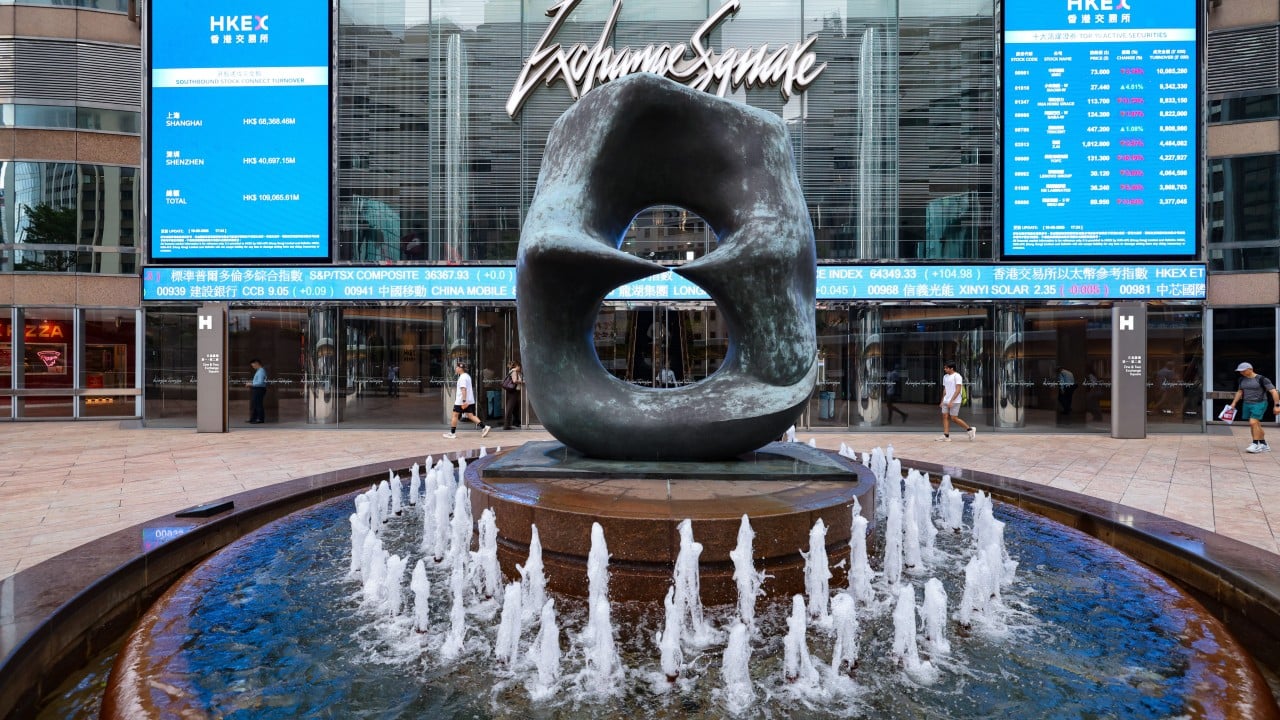
Hong Kong’s tougher oversight and weak investor demand have put many mainland China issuers in a dilemma, forcing many small-cap non-technology firms to delay their fundraising plans or even cancel them at the last minute, according to industry players.
On Tuesday Jiangsu Slender West Lake Culture and Tourism (SWL Tour) became the latest such case, when the state-owned aquatic tourism service provider postponed a HK$227 million (US$28.93 million) listing. The company attributed the decision to “several factors, including the prevailing market conditions,” it said just hours after closing its order books.
“Institutional investors are now more cautious about small-cap stocks with limited fundamentals and growth prospects,” said Roy Lo Wa-kei, managing partner at the accounting and consulting firm SW Hong Kong.
The SWL Tour deal did not bring in any cornerstone investor, according to its prospectus, and with the firm opting for the city’s so-called Mechanism B, which caps a public tranche at just 10 per cent, leaving allocation and pricing power more dependent on institutional buyers.
KioskNews shows a cleaned-up reading view extracted from the publisher’s page — the original always lives on their site, not ours.