Police advise caution over purported cash-on-door scam
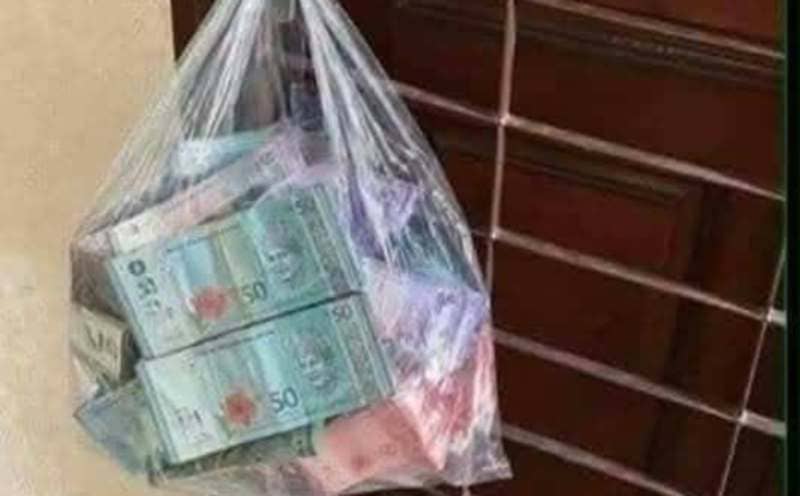
KUALA LUMPUR: Police have not received any reports of a purported new scam tactic involving bags of cash being left hanging on the doorknobs of homes, but have advised the public to remain vigilant.
Bukit Aman Commercial Crime Investigation Department (CCID) director Datuk Rusdi Mohd Isa said no such cases had been reported so far.
He advised the public to exercise caution and lodge police reports immediately if they encountered such tactics.
This follows a viral message circulating on social media and WhatsApp, accompanied by a photograph showing a transparent plastic bag filled with bundles of banknotes, including RM50 notes, hanging from a door handle.
The message claimed that scammers and illegal moneylenders, commonly known as Ah Long, were using the tactic to trap unsuspecting homeowners.
According to the message, they would record homeowners taking the money and use the footage to claim that they had agreed to take out a loan.
The homeowners would then allegedly face threats and pressure to repay the money with exorbitant interest.
The message also claimed that the tactic could be used by criminals to determine whether a house was occupied before attempting a break-in.
It advised the public not to touch the money or take it into their homes, and to document the discovery, check closed-circuit television (CCTV) footage, and alert the police and neighbours.
KioskNews shows a cleaned-up reading view extracted from the publisher’s page — the original always lives on their site, not ours.