Pasta, pies and paperwork errors: the reality of Brexit food checks
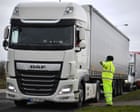
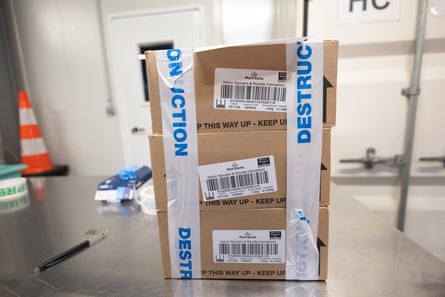
Three small boxes of spinach and ricotta cannelloni destined for a supermarket in Gibraltar languish on an EU inspector’s bench at the Eurotunnel terminal in Calais.
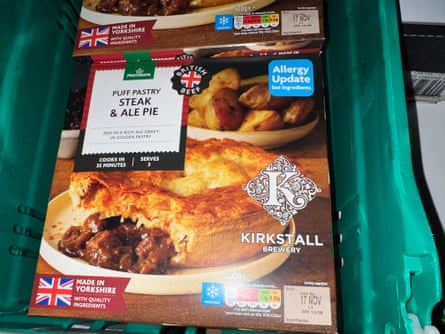
They have been removed from a truck laden with perishables for British food lovers on the Rock – Morrisons steak and ale pie, family-size blocks of Morrisons cheddar cheese, ‘M’ Best coleslaw from Avondale foods in Craigavon in Northern Ireland and long-life milk.
“We have been here nine hours now. It is very difficult,” said the lorry driver, Daniel Vasco, as he prepared to restart his 24-hour drive from London to Gibraltar.
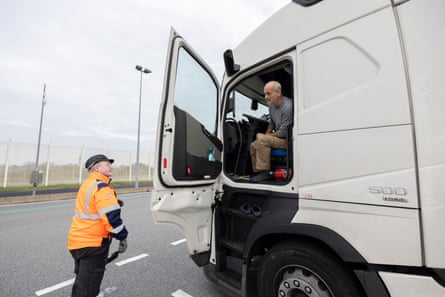
An official says the truck had originally planned to cross from England on a ferry from Dover but arrived via a freight train instead with the prerequisite dossiers of customs and food health certificates filed for arrival a few miles away.
“We had to create 78 different files,” she explains, adding the pasta had to be removed because of a simple error. “The health official had put today’s date rather than the use-by date of 16 November on the paperwork,” said Olivier Colin, the director of customer service for Eurotunnel in France.
This is the reality of Brexit and business is brisk. A few metres away in a refrigerated unit lie two pig carcasses wrapped in cellophane alongside several pallets of fresh food removed from different trucks that morning.
The French official explains that when they opened the truck the found they had fallen from their hanging positions and with a risk of contamination had, under the rules, to be removed and destroyed.
Paperwork that includes export health certificates, customs paperwork, veterinary certificates related to meat and transit documents did not exist when the UK was in the EU’s single market.
Next Friday Andy Burnham and EU leaders are expected to sign a sanitary and phytosanitary (SPS) deal which will make exports of fresh food, drink and animal products such as leather easier.
But without a full return to the single market, not all checks will disappear. Customs declarations will still be required along with other red tape.
A report published last Friday by the UK Department for Environment, Food and Rural Affairs (Defra) showed that small to medium-sized businesses were worst hit by the Brexit checks. It is understood the earliest the new SPS deal will be implemented is January 2028.
This is because of the need to pass legislation in the UK to realign continuously with EU regulations on food and animal products.
For Getlink, the owner of Eurotunnel, it should restore some lost trade but it will also mean dismantling some of the €60m (£50m) Brexit infrastructure now made redundant.
Yann Leriche, the chief executive of Getlink, said: “We would have preferred not to invest the money … but we decided not to complain, not to whine and say: ‘Ok, this has been decided by British citizens and, like it or not, it is our responsibility not to turn the new controls into a huge bureaucracy.’
“We carry 26% of the trade between Europe and the UK. That is why we invested,” he added noting however that trade had declined just over 20% in both directions since Brexit with exports of poultry and eggs in particular collapsing.
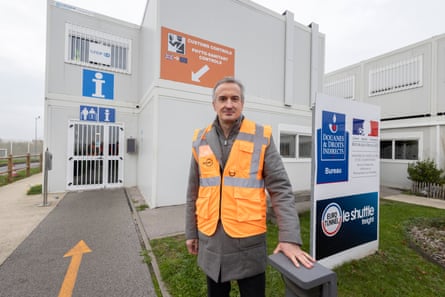
Peter Roberts, the commercial strategy director for freight at Eurotunnel, said: “We have put everything we possibly can in place to make it as quick as possible but we can still end up with three packets of pasta on the table because someone made a paperwork mistake. When that paperwork is lifted it will be good for us, good for the driver, good for trade and the economy.”
The efficiencies achieved over six years since Brexit are evident on one freight train over the Channel tunnel where the Guardian joined drivers.
Just three of the 33 trucks and vans were redirected for checks on arrival – one for SPS checks and two for customs paperwork.
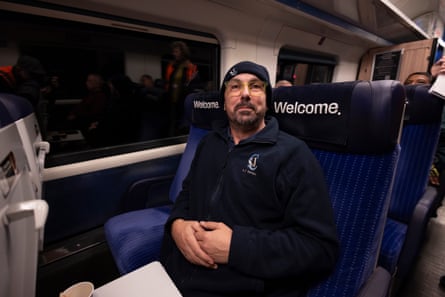
Among those cleared to go is Gavin Woodward, bringing M&S labels to a food client in Belgium. He is returning with waffles but he recounts how in the past he has been stopped occasionally if he had “high-risk” cargo, which in his case, is chilled sliced ham.
Carlos, a Spanish driver, is driving back to Spain after delivering fruit and veg from the Murcia area in Spain to Tesco in the UK.
“I am stopped two to three times a month,” he says. “A deal will make a difference. Once I was stopped for two or three days. I was carrying meat.”
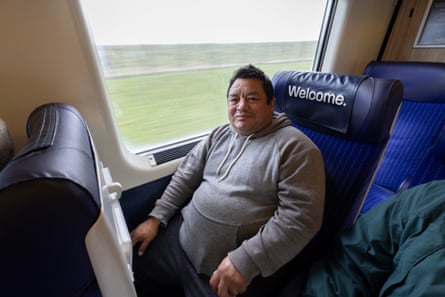
Earlier this week, the Defra report showed that many small and medium-sized exporters had stopped exporting to the EU completely since Brexit.
It cited a report by Aston University estimating that an SPS agreement “could boost UK agri-food exports to the EU by up to 22.5%”.
A separate House of Lord report on Friday cited government estimates that the SPS deal “would increase GDP by up to £5.1bn by 2040 (up to 0.14%)“.
“It could be a gamechanger,” said Leriche.
At the moment each consignment on a truck needs declarations with a customer code, the price, its original export health certificates, which cost £200, a pre-notification pack that costs about £40 and a “common user charge” that pays for the border control posts that can cost between £80 and £100.
On top of that drivers face a €200 to €700 charge if they face a full unload.
“After the SPS deal, you will still need your pre-notification but the health certificates and other paper will be gone. It means the cost of crossing the channel could be reduced by 10 times maybe,” says Leriche.
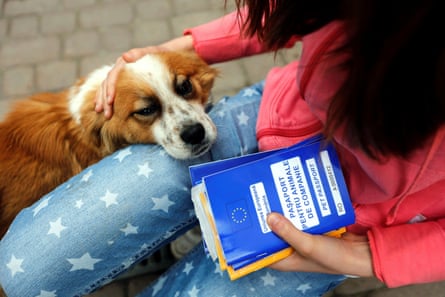
The return of pet passports will also be a boon for holidaymakers. After Brexit new animal health certificates were required, costing about £200, for every journey from the UK to the continent and had to be issued within 10 days of travel.
“Around 15% of our customers have pets with them. For them it will make a huge difference,” says Leriche.
“We are pushing as much as we can to have the date brought forward,” so they don’t have to wait until the full implementation of SPS to see pets move freely across the channel again.
KioskNews shows a cleaned-up reading view extracted from the publisher’s page — the original always lives on their site, not ours.