Army delays detonating "catastrophically hazardous" lead azide amid fear, anger
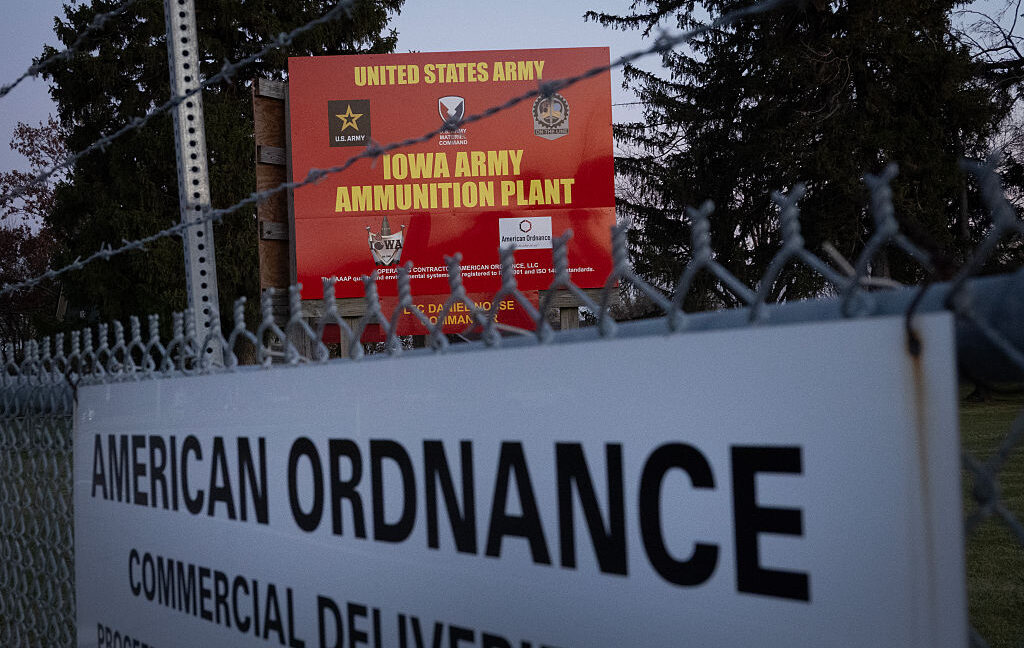
In a swirl of questions, fears, and outrage, the US Army announced late Thursday it would delay a plan to blow up 68 deteriorating barrels of lead azide, which would launch toxic gas and lead into the air. The plume, containing neurotoxic lead, could potentially drift 100 miles north of the Army installation housing it in Middletown, Iowa, according to modeling released by the Army earlier this week.
The Army had planned to carry out two controlled detonations, set off simultaneously around noon Friday, to destroy the barrels where they lie, which is in earth-covered concrete containment structures (called earth-covered magazines or ECMs). Now the Army plans to wait until Monday, November 23, to provide more time to communicate about the situation with Iowans, which have reported being unaware of the detonations until earlier this week.
“Public communication is essential to public trust,” Acting Secretary of the Army Adam Telle said in a post on social media at 7:31 pm ET Thursday. “Therefore, the Army will continue to actively engage with state and local officials throughout the region to distribute accurate, up-to-date information.”
Telle claimed that the Army could not delay the detonation any further than Monday due to the state of deterioration of the compound, which is extremely explosive and sensitive. “This will delay the detonation until the latest possible moment prior to a forecasted temperature drop, which would risk further destabilization of the material.”
Lead azide is a compound used in detonators for munitions and is stockpiled by the US military. In March, the US Army identified that the stockpile in the Iowa facility—the Iowa Army Ammunition Plant (IAAAP)—had deteriorated. The lead azide in the 68 barrels, reported to total around 9,700 pounds (4.4 tons), is suspended in a mixture of water and ethanol within the ECMs, but has degraded and crystallized over time. Temperature fluctuations can cause lead azide to dissolve into the water/alcohol solution and recrystallize into needles or platelets, the Army said. In crystalized forms, lead azide becomes extremely sensitive to any physical shock, friction, or heat. The Army determined the current state is a “catastrophically hazardous condition.”
KioskNews shows a cleaned-up reading view extracted from the publisher’s page — the original always lives on their site, not ours.