Thailand’s officials say major dams can handle northern runoff
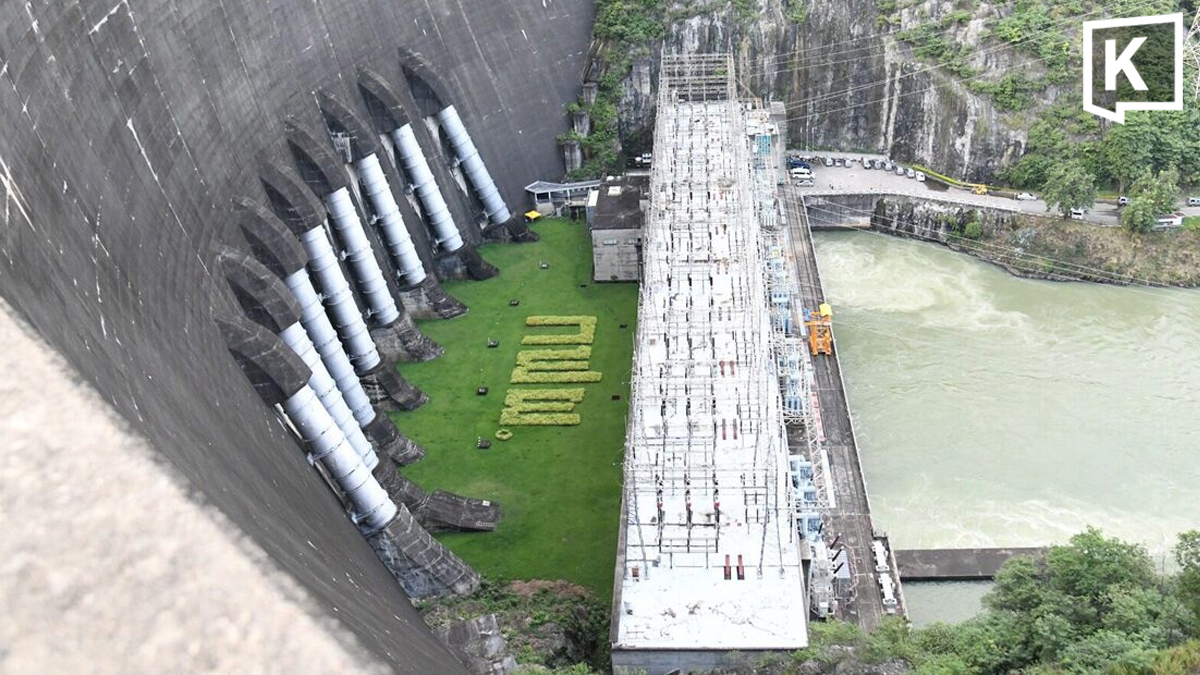
BANGKOK — 7 October 2026, Thailand’s Bhumibol and Sirikit dams can accommodate all incoming runoff from the North, while water levels along the Chao Phraya River are showing signs of improvement, the Royal Irrigation Department said.
Thawatchai Traiwari, director of the Water Situation Analysis Division at the Royal Irrigation Department, said at a Joint Information Coordination Center (JICC) briefing at Government House at 10:00 that runoff from areas including Chiang Mai and Nan could be fully absorbed by the two major dams.
Water releases from the dams are being kept to the minimum necessary for public consumption and agriculture, he said.
Chao Phraya situation improves
At the C2 water monitoring station in Nakhon Sawan, the flow was recorded at 1,915 cubic meters per second, down from 6 October, indicating an improving situation.
The department has also reduced releases downstream of the Chao Phraya Dam from 2,500 to 2,400 cubic meters per second, while reducing flows into the Noi River, Tha Chin River and Chainat-Pa Sak Canal.
The measures are expected to lower water levels in downstream areas by around 10–15 centimeters.
Mae Klong release to raise water levels in three provinces
In the western region, the department has prepared to release water from the Mae Klong Dam to create additional capacity ahead of forecast heavy rain.
Heavy rain on the night of 6 October caused water to overflow riverbanks at some locations in Sai Yok district, Kanchanaburi.
The Mae Klong Dam’s discharge has now been increased to 1,100 cubic meters per second. As a result, water levels in downstream areas of Kanchanaburi, Ratchaburi and Samut Sakhon are expected to rise by around 40–50 centimeters compared with the previous day.
However, officials expect the additional water to have less impact than previous flooding because rainfall is forecast to be lower.
Eastern provinces remain under watch
In the East, officials are continuing to monitor the Bang Pakong River basin, where water from the Nakhon Nayok and Prachin Buri rivers converges.
Water levels in the upper Nakhon Nayok River are improving, although lower areas remain relatively stable due to tidal influence and runoff from Prachin Buri.
Water levels along the Prachin Buri River have continued to fall from Sa Kaeo, but the decline remains slow and flooding is still affecting the provincial capital.
Runoff could also affect Chachoengsao, particularly Bang Nam Priao, Bang Khla, Phanom Sarakham and Mueang districts, where water levels are expected to remain stable or rise slightly due to high tides.
Officials expect conditions to improve as the tide recedes.
Phetchaburi water levels remain under control
In Phetchaburi, the department is controlling releases from Kaeng Krachan Dam to minimize downstream impacts. Water entering the Phet Dam reservoir is currently around 160 cubic meters per second, about half of its 320-cubic-meter-per-second capacity.
The dam is releasing 75 cubic meters per second toward Phetchaburi town, well below the area’s capacity to handle 150 cubic meters per second.
KioskNews shows a cleaned-up reading view extracted from the publisher’s page — the original always lives on their site, not ours.