Thailand eyes $80bn in semiconductor investment by 2050
National strategy aims for fully integrated domestic chip ecosystem by 2050
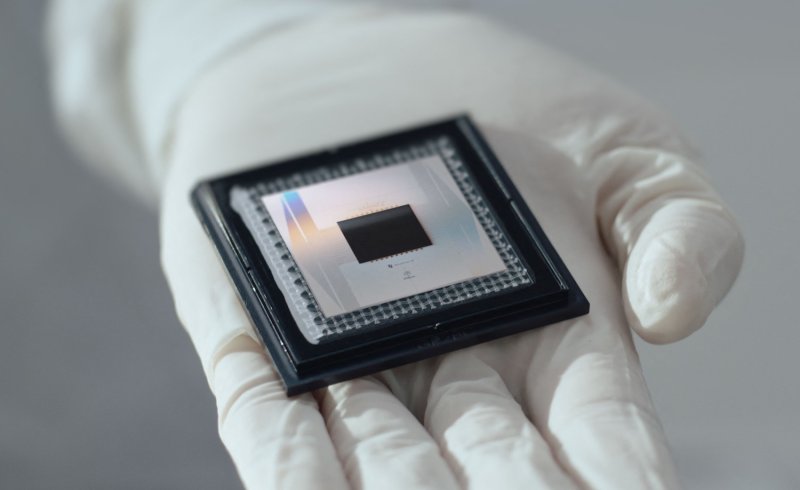
Thailand is targeting $80 billion in semiconductor investment by 2050 and the creation of 230,000 jobs as part of a national strategy announced on Thursday.
The plan aims to build a fully integrated domestic chip ecosystem by 2050 with a target of generating $150 billion in annual revenue, Deputy Prime Minister Ekniti Nitithanprapas said.
He outlined the goals after a meeting of the new National Semiconductor and Advanced Electronics Policy Board, which he chairs.
The Board of Investment said in a statement that the framework would provide investors with a clear long-term roadmap.
Thailand has an established chip industry that is concentrated mostly in assembly and packaging. Mr Ekniti said the goal now is to move Thailand into higher-value segments of the global semiconductor supply chain.
The government will provide support through tax incentives, regulatory reforms, workforce development, infrastructure upgrades and research and development investment, he said.
The strategy will be implemented in phases, starting with strengthening packaging and testing before expanding into chip design and wafer fabrication.
The Boi said that by 2030, Thailand will reinforce its established assembly and testing base, scale advanced packaging capabilities and lay the foundations for front-end wafer production.
By 2040, it will seek more anchor investors in upstream activities, including chip design, wafer fabrication and advanced-technology manufacturing By 2050, the goal is to have a complete domestic supply chain.
Three priority platforms
The strategy identifies three priority technology platforms aligned with Thailand’s industrial strengths and global demand:
- photonics for artificial intelligence, data centres and high-speed communications;
- power semiconductors for electric vehicles, energy-storage systems and power grids, and
- sensors, building on Thailand’s micro-electro-mechanical systems capabilities, for connected devices, automation, automotive, smart devices and medical applications.
The BoI said the strategy builds on strong investment momentum. From 2023 through the first half of 2026, it received investment-promotion applications for 879 semiconductor and advanced electronics projects worth $27.2 billion (909 billion baht).
Infineon Technologies, the world’s largest maker of power semiconductors and automotive chips, will open its first Thai factory in Samut Prakan on Oct 1.
KioskNews shows a cleaned-up reading view extracted from the publisher’s page — the original always lives on their site, not ours.