Oil, AI demand give ringgit room to rally, say strategists
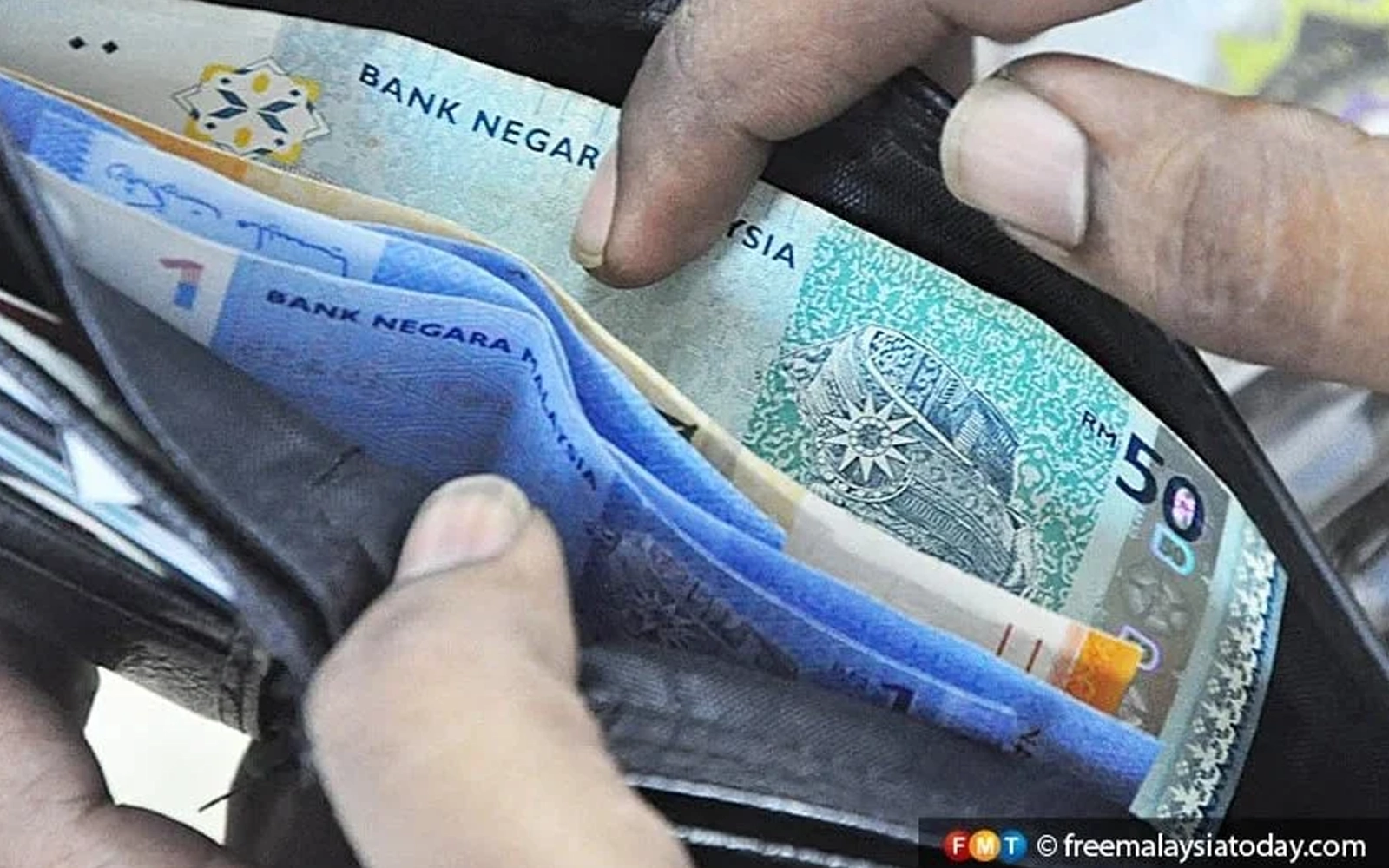
The ringgit may be poised for gains as higher oil prices and the artificial-intelligence boom provide tailwinds for the currency, strategists say.
While the ringgit has declined 1.2% in September, lagging all Asian peers, MUFG Bank expects it to strengthen to 4.03 per dollar by year-end. Sumitomo Mitsui Banking Corp sees it at 4.0.
The ringgit closed 0.3% higher at 4.0738 per dollar on Friday.
A renewed climb in oil prices may bolster revenues for the energy exporting country, while Malaysia’s growing role in the AI supply chain gives it exposure to rising demand for semiconductors. With the political risk premium around some state elections also fading, strategists expect the ringgit to resume its advance.
“We could see a relief rally in the ringgit toward the year-end as macro environment concerns ease,” said Jeff Ng, head of Asia macro strategy at Sumitomo Mitsui Banking Corp in Singapore. “Malaysia’s overall fundamentals are still positive,” given its energy and electronic exports as well as linkages to a stronger Chinese yuan, he said.
The country’s exports have surged more than 35% in each of the five months through August, boosted by shipments of electronic products including semiconductors. Export growth averaged about 6.7% in 2025. Malaysia is now one of the world’s four largest net exporters of AI-related hardware, alongside South Korea, Taiwan and Thailand, according to the International Monetary Fund.
“Malaysia’s electronics trade surplus has been able to help offset the higher oil import bill,” said Lloyd Chan, a foreign-exchange strategist at MUFG in Singapore. “We see scope for ringgit strength,” supported by attractive sovereign bond and ringgit valuations, he added.
The local currency’s real effective exchange rate is around 2% below the 20-year average, according to data from the Bank for International Settlements. Continued bond inflows may help underpin the ringgit.
Investors will be watching the S&P Malaysia manufacturing PMI print for September due Thursday for further signs of economic expansion, as the region continues to grapple with the fallout from the Middle East. Still, Malaysia may be better placed than some peers to weather higher energy costs as one of the world’s top exporters of liquefied natural gas.
“Malaysia has been on the right side of the terms-of-trade story throughout the year,” and is best-positioned to benefit from AI investment and higher energy prices, Goldman Sachs Group Inc strategists including Danny Suwanapruti wrote in a note on Sept 18. With the central bank turning slightly more hawkish, “the conditions are in place for ringgit to outperform,” they said, recommending a long ringgit/baht trade.
Subscribe to our newsletter and get news delivered to your mailbox.
KioskNews shows a cleaned-up reading view extracted from the publisher’s page — the original always lives on their site, not ours.