Getting Insurance Renewal Messages At Toll Plazas? This Is What It Means
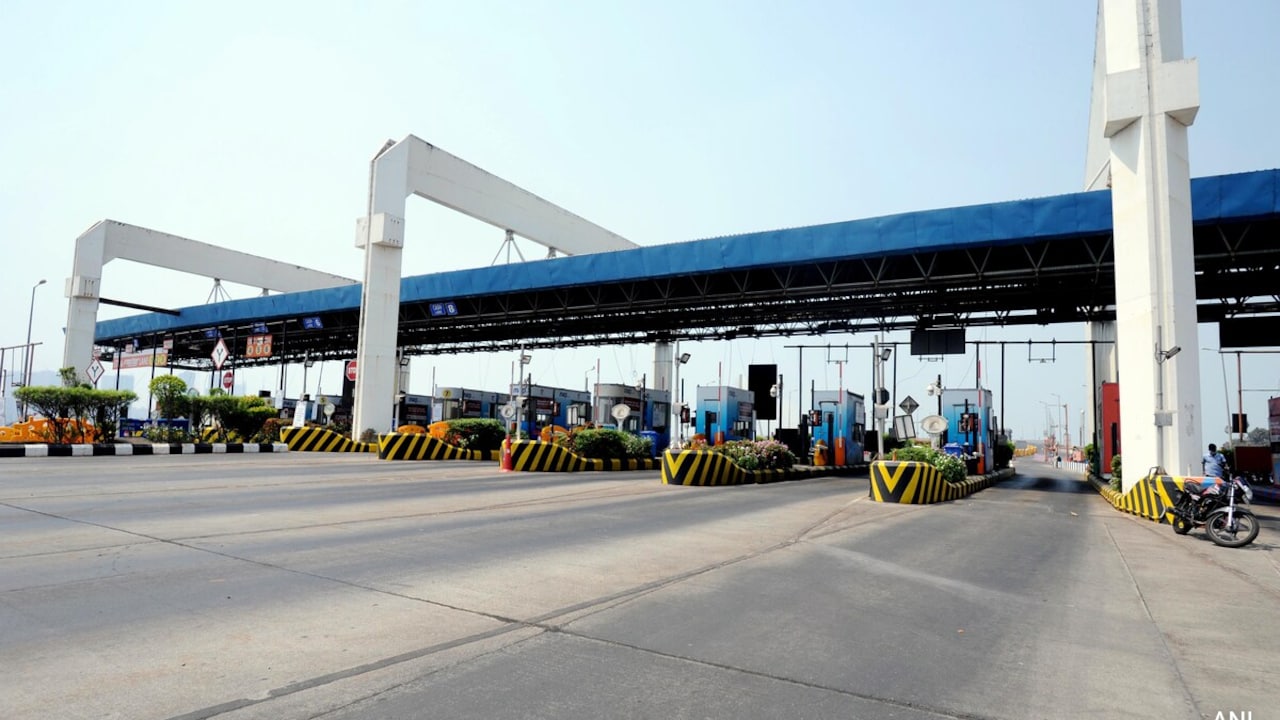
Vehicle owners receiving insurance renewal SMS alerts after passing through toll plazas will not be issued challans or fined under the National Highways Authority of India's (NHAI) new system, the authority clarified on Thursday.
The messages are part of a trial for an awareness initiative that will alert motorists to approaching insurance policy expiry dates. They are being sent to select National Highway users and are not linked to any enforcement action at toll plazas, NHAI said.
"There is no provision for issuing challans or imposing any penalties at toll plazas in connection with these alerts," the authority said in a statement.
The clarification comes as the use of toll-plaza technology to check vehicle insurance has triggered questions about whether an uninsured vehicle could attract an automatic fine.
How The Insurance Alerts Work
At the Mundka toll plaza on Delhi's Urban Extension Road-II (UER-II), a trial system matches vehicle registration details with insurance records available on Vahan, the government's national vehicle database.
When a vehicle passes through the toll gate, the system checks whether its insurance policy is valid. If the records show expired cover, the registered owner can receive an SMS with the vehicle number, time of crossing and policy expiry date.
The system uses a routine toll-plaza crossing to remind vehicle owners about their insurance status without requiring them to stop and produce documents.
NHAI said the proposed initiative is intended to encourage motorists to renew their policies before they expire, ensuring there is no break in insurance coverage.
No Toll Fine, But Insurance Remains Mandatory
The absence of fines under the SMS system does not mean motorists can drive without valid insurance.
Under Section 146 of the Motor Vehicles Act, third-party insurance is mandatory for motor vehicles used on public roads, subject to statutory exemptions.
Unlike insurance that covers damage to one's own vehicle, third-party insurance provides protection against liabilities arising from injury, death or property damage caused to others in an accident.
Driving without the required cover is an offence under the Motor Vehicles Act.
Following an amendment that took effect in August 2026, Section 196 prescribes a penalty of three times the vehicle's base insurance premium or Rs 5,000, whichever is higher, for a first violation.
For a subsequent violation, the penalty rises to five times the base premium or Rs 10,000, whichever is higher.
The amount can therefore exceed Rs 5,000 or Rs 10,000, depending on the prescribed premium for the vehicle.
These penalties are separate from NHAI's insurance reminder system. Motorists can still face enforcement action for driving without mandatory insurance under the law.
Why NHAI Is Sending Insurance Reminders
A large number of vehicles in India continue to operate without valid insurance.
In March, Transport Minister Nitin Gadkari informed the Rajya Sabha that 44.31 per cent of active vehicles assessed through Vahan records as of March 6, 2026, were uninsured.
The government has been encouraging technology-based checks to identify vehicles that do not meet mandatory insurance requirements.
In a separate parliamentary reply in February, the ministry said Automatic Number Plate Recognition cameras linked to Vahan were being promoted to improve compliance. It also identified two-wheelers as the largest category of uninsured vehicles.
The concern goes beyond penalties. When an uninsured vehicle is involved in an accident, the absence of third-party coverage can complicate compensation claims and expose vehicle owners to significant financial liabilities.
NHAI said the advance reminders are intended to promote responsible vehicle ownership and encourage motorists to maintain uninterrupted insurance coverage.
Motorists receiving an alert can check their policy's expiry date with their insurer and renew it if required. Those with valid insurance can also verify whether their policy details are correctly reflected in the vehicle records.
KioskNews shows a cleaned-up reading view extracted from the publisher’s page — the original always lives on their site, not ours.