Under-Construction vs Ready-To-Move Homes: Which Offers Better Financial Value?
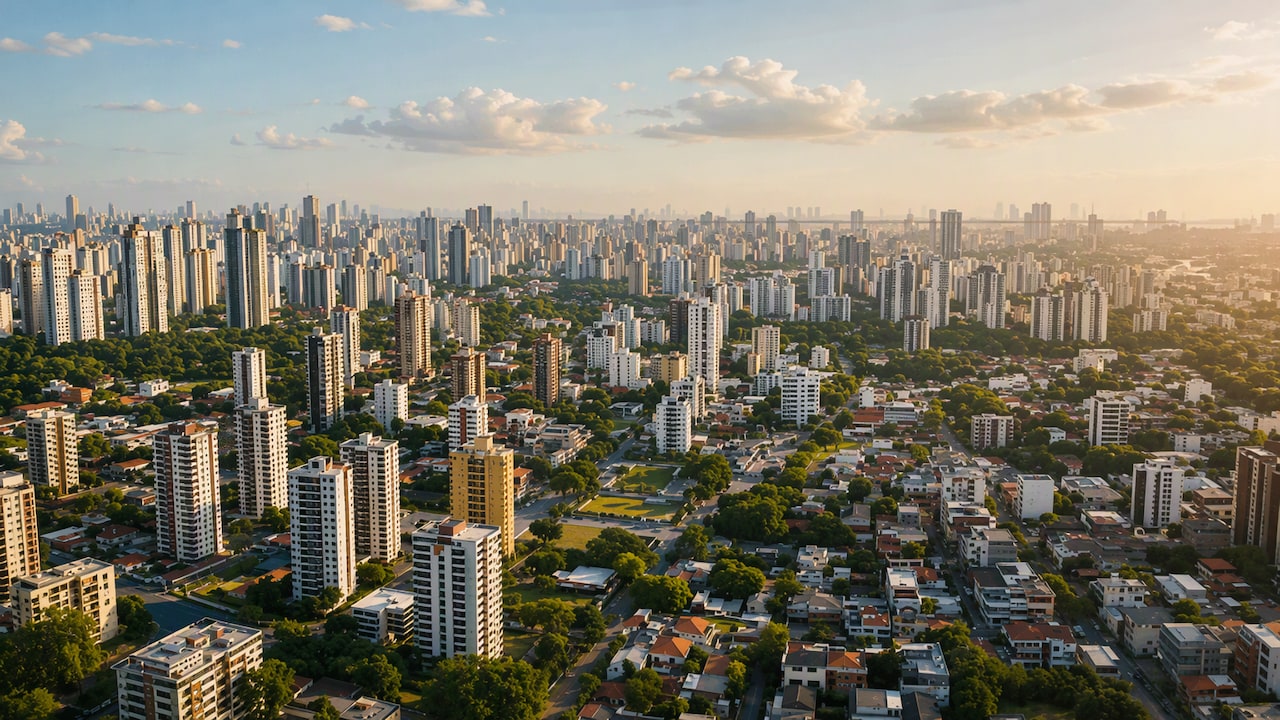
Buying a house is one of the biggest financial decisions most people make. But before finalising a property, buyers face another important question: Should they put their money into a home that is still being built or pay a premium for one that is ready to move into?
The answer is not as straightforward as comparing two property prices. While under-construction homes may offer a lower entry price, flexible payment schedules and the potential for appreciation, ready-to-move properties provide immediate possession and greater certainty. The better financial choice depends on a buyer's budget, cash flow, investment horizon and need for a home.
According to the senior management of Alliance City Developers, under-construction properties can offer meaningful financial opportunities to buyers who have the flexibility to plan their purchase over a longer period.
Also Read | Layoffs Are Rising In Tech, But These Skills Are Helping People Unlock Better Pay
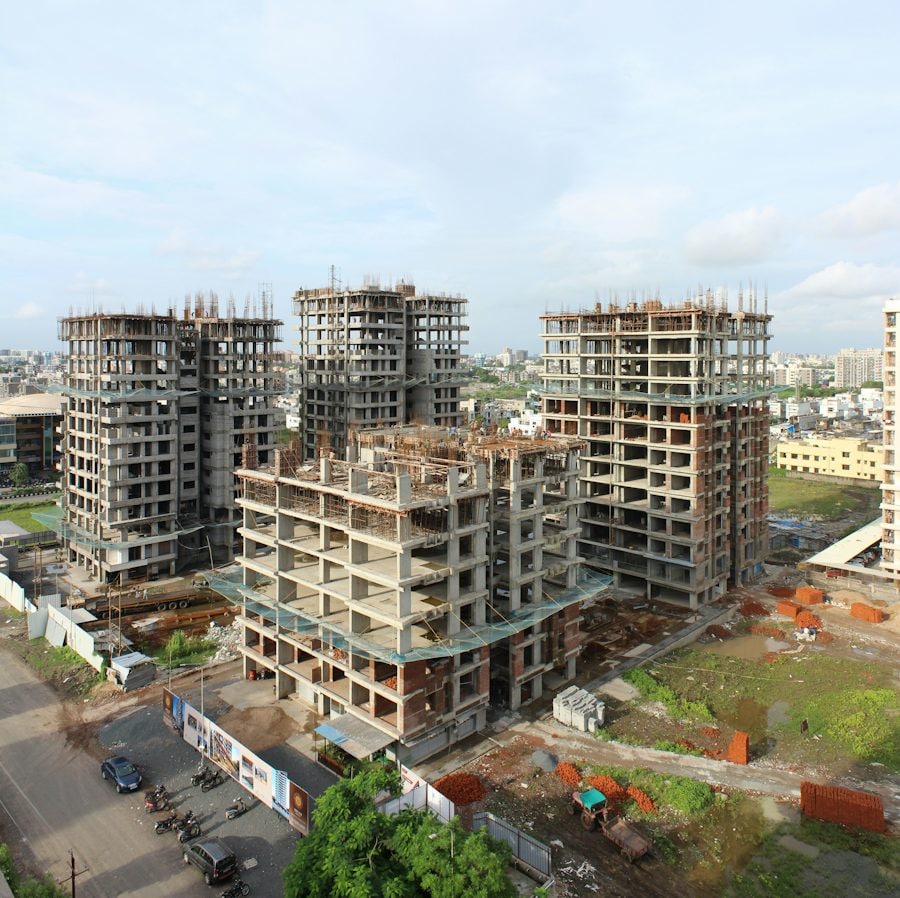
Under-Construction Homes: Lower Entry Price, Flexible Payments
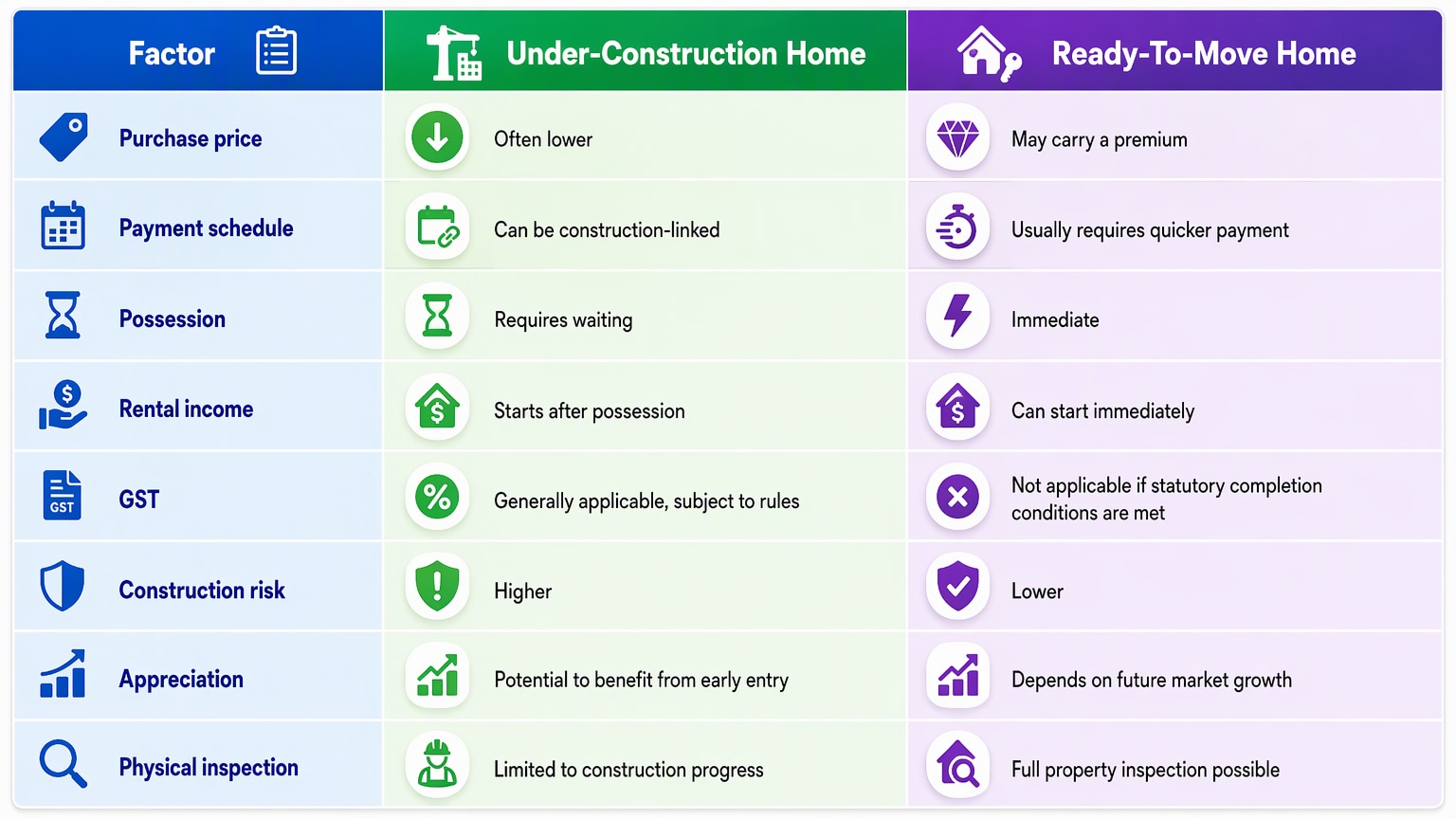
One of the biggest attractions of an under-construction property is its starting price. In the same micro-market, homes that are still being built may be available at a lower price than comparable completed properties.
This can make a difference for buyers who are trying to enter an expensive housing market without stretching their budgets too much.
Payment flexibility is another advantage. Developers often offer construction-linked payment plans, allowing buyers to pay in stages as the project progresses. Instead of arranging the entire amount upfront, buyers can spread their financial commitments over the construction period.
This can help with cash flow management, particularly for those who are planning their finances around the expected completion date.
There is also the possibility of capital appreciation. If an area sees improvements in road connectivity, public transport, social infrastructure and commercial activity, property prices could rise during the construction period.
Buyers who enter a project at an early stage may benefit from the difference between their purchase price and the property's market value at completion.
However, this is not guaranteed. Appreciation depends on the location, project quality, overall market conditions and demand in the area.
Ready-To-Move Homes: Pay More, But Get Immediate Possession
Ready-to-move properties offer a different kind of financial advantage: certainty.
Buyers can physically inspect the apartment, assess construction quality, check the available amenities and understand the neighbourhood before making a decision. They do not have to depend on construction timelines or wait for the developer to hand over possession.
This is particularly useful for families who need to move immediately or buyers who are currently paying rent.
A ready property can also start generating rental income without a construction-related waiting period. For investors, this means the possibility of earning returns from the property sooner.
The downside is that completed homes may command a premium over comparable under-construction units in the same location.
However, buyers should not view this premium in isolation. The ability to move in immediately, avoid construction delays and save on rent can partly offset the higher purchase price.
GST, Rent And Other Costs: What Should Buyers Calculate?
The actual cost of buying a house goes beyond its advertised price. Buyers must account for several additional expenses before deciding between the two options.
These include stamp duty, registration charges, GST, home loan interest, maintenance charges, interiors and other expenses associated with ownership.
GST is an important distinction between the two categories. Under-construction residential properties are generally subject to GST, subject to applicable rules and rates. However, the sale of a completed property is not subject to GST if the entire consideration is received after the completion certificate is issued or after first occupation, whichever is earlier.
There is another expense that buyers often overlook: rent.
Someone purchasing an under-construction property may have to continue paying rent while also servicing a home loan, depending on the loan disbursement and repayment arrangement. This can increase the financial burden during the construction period.
In contrast, a ready-to-move home allows buyers to shift immediately and potentially eliminate their rental expenses.
Therefore, comparing the base prices alone may not give buyers an accurate picture. The total cost of ownership over the next few years is a better measure.
Developer's Track Record Matters As Much As The Property Price
For buyers considering an under-construction home, the developer's credibility becomes particularly important.
A lower purchase price may lose its appeal if the project faces repeated delays or construction-related issues. Buyers should examine the developer's past delivery record, project approvals, RERA registration and actual construction progress before committing their money.
The senior management of Alliance City Developers told NDTV that timely execution and transparent communication are important parts of the under-construction home-buying experience.
Clear possession commitments, regular construction updates and established project management processes can give buyers greater confidence throughout the development cycle.
This makes the choice of developer just as important as the choice of property. Buyers should also verify the project's RERA details and contractual possession date rather than relying only on sales assurances.
Under-Construction Vs Ready-To-Move: Which Should You Choose?
There is no universal winner. Both options serve different financial and housing requirements.
For buyers who already have stable accommodation, can manage their finances over a longer period and do not need immediate possession, an under-construction property could offer better value.
On the other hand, buyers who are paying substantial rent, need a home immediately or want greater certainty may find a ready-to-move property more financially sensible, even if the initial price is higher.
The senior management of Alliance City Developers believes that buyers should look beyond the initial price and evaluate the balance between affordability, construction quality, possession certainty and long-term value before making a decision.
KioskNews shows a cleaned-up reading view extracted from the publisher’s page — the original always lives on their site, not ours.