Chew Swee Yoke, Malaysia’s legal aid pioneer and lawyer in Anwar’s ‘black eye’ case, dies at 81
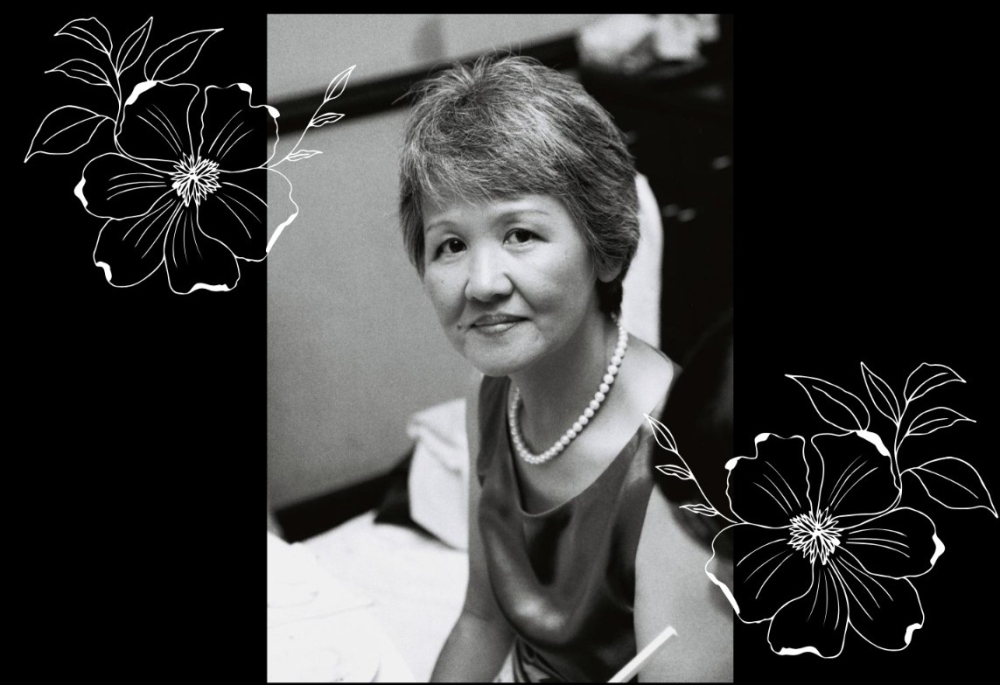

In 1982, Chew established the first Legal Aid Centre in Kuala Lumpur and became the first Chairperson of the Bar Council Legal Aid Committee.
By Iskandar Razak
First Published: Saturday, 22 Aug 2026 9:22 AM MYT
KUALA LUMPUR, Aug 22 — Chew Swee Yoke, a pioneering Malaysian lawyer, advocate for justice and proud Victorian, passed away on the morning of August 18, aged 81. She was born on January 26, 1945.
Educated at Victoria Institution, Chew was part of the school’s 1963 cohort. She went on to pursue a distinguished legal career, being admitted to the Malaysian Bar in 1970 after qualifying through Lincoln’s Inn.
In the early years of her career, she was a protégé of the renowned lawyer and statesman David Marshall, from whom she gained valuable experience and mentorship. She subsequently established herself as one of Malaysia’s formidable advocates, known for her independence, determination and commitment to justice.
In 1982, Chew established the first Legal Aid Centre in Kuala Lumpur and became the first Chairperson of the Bar Council Legal Aid Committee. The Malaysian Bar recognises her as a pioneer of legal aid in Malaysia.
Her career took her into some of the country’s most significant and sensitive cases. She was part of the legal team representing Datuk Seri Anwar Ibrahim in proceedings arising from the infamous black-eye incident while he was in custody. She also represented the villagers of Kampung Bumi Hijau in their efforts to secure a land settlement.
Those who worked closely with Chew remember a lawyer who was meticulous, driven and exceptionally passionate about her work. She could work late into the night, poring over case authorities, torts and legal arguments in preparation for the next day. She did not merely know her cases — she immersed herself in them.
She was equally renowned for the passion with which she argued the merits of a case. Discussions could continue long after office hours as she challenged assumptions, tested arguments and insisted that every aspect of a matter be properly considered. For the younger lawyers who worked with her, this dedication was demanding but deeply formative.
Away from the courtroom, Chew was a stoic by temperament and an admirer of Marcus Aurelius’ Meditations. The Stoic ideals of discipline, resilience, self-command and perseverance reflected much of her own character. She approached both her profession and life with a quiet determination, rarely allowing difficulties to distract her from what she believed was right.
Yet beneath her formidable professional character was a woman who invested deeply in people. She was a respected mentor and employer who guided generations of young lawyers and remained committed to the development of the profession. Her influence extended beyond the cases she fought, leaving a lasting impression on colleagues, pupils and clients alike.
Chew will be remembered not only for her pioneering contribution to legal aid and her involvement in significant cases, but for the courage, intellectual rigour, discipline and passion with which she approached the law and the people she represented.
She is survived by her daughters Lesley Chan, Isadora Chai and Lydia Chai, and sons-in-law Iskandar Razak and Tahi Moore.
Chew Swee Yoke leaves behind a distinguished legacy of courage, conviction and service — and a generation of lawyers and others whose lives were shaped by her example.
KioskNews shows a cleaned-up reading view extracted from the publisher’s page — the original always lives on their site, not ours.