Vets ‘could be banned from giving dogs and cats arthritis drug’ under UK-EU reset deal

British vets could be banned from giving dogs and cats a painkiller for arthritis under the government’s new EU reset deal, according to reports.
Amantadine, which is used to help manage pain for some struggling pets, was banned for animal use in Europe in 2023. An EU directive added it to list of antimicrobial drugs which must be reserved for humans for the treatment of certain infections.
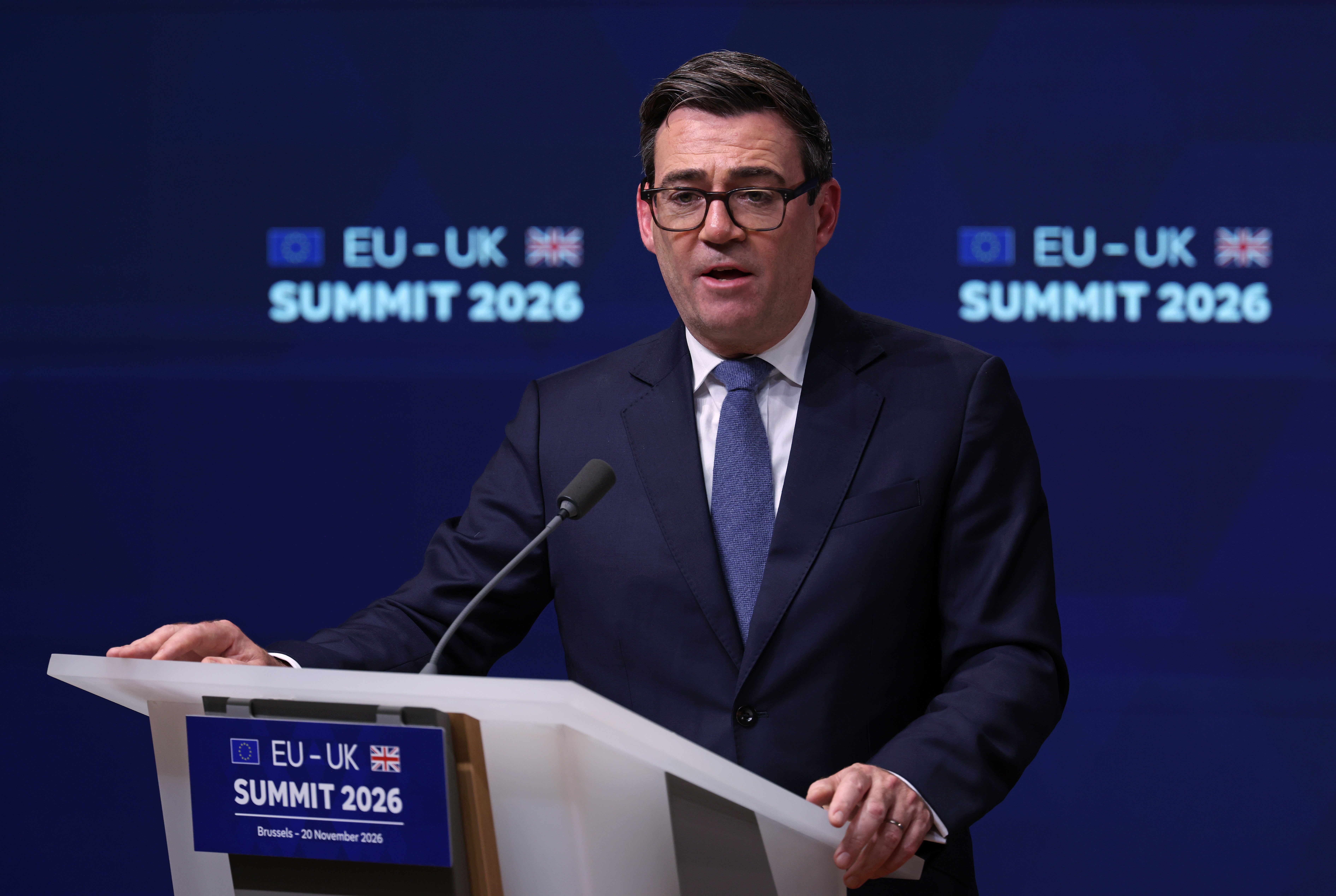
Under the terms of Andy Burnham’s UK-EU reset deal, Britain will join a Common Sanitary and Phytosanitary (SPS) Area with the EU, which will mean adopting the same rules - including those related to antimicrobial resistance in animals.
Animal welfare experts have raised the alarm over prospect of losing access to amantadine for pets, warning the drug will be difficult to replace.
Claire McParland, senior public affairs manager at the RSPCA, told The Telegraph: "On top of stalling vital progress for farmed animal welfare standards, this EU deal now also risks creating damaging barriers to the supply of essential veterinary drugs, potentially threatening the health and wellbeing of many pets needing specialist treatment.”
Dr Hannah Capon, a vet who founded Canine Arthritis Management, said losing the drug would be "a significant blow to the profession and the pets we care for".
"Arthritis is a highly prevalent life-limiting condition in dogs and cats,” she added. “The pain associated with it can be severely disabling, and sadly, many are euthanised when their pain becomes no longer manageable.
“Amantadine has shown benefit in managing chronic pain and is commonly employed by vets around the UK."
Dr Harriet Gunter, a vet in the anaesthesia and pain relief team at the University of Cambridge's Queen's Veterinary School Hospital, said withdrawing amantadine "would have a significant welfare impact for our patients that are suffering chronic pain".

Originally developed as an antiviral medication for humans, amantadine is used off-label for dogs and cats alongside other painkillers to help manage osteoarthritis and nerve pain.
Potential replacements such as ketamine would be harder to administer and require regular trips to the vet for injections or an IV.
Prime minister Andy Burnham last week secured a landmark deal to reset Britain’s relationship with Europe after Brexit, which is hoped will boost the UK economy by £17bn a year.
It includes a youth mobility scheme and agreements on food and emissions trading, although talks are continuing in some areas - including demands for cheaper tuition fees for EU students studying in Britain.
The prime minister had slammed the current arrangements – negotiated by the Conservatives when they were in power – as not “good enough for Britain”.
KioskNews shows a cleaned-up reading view extracted from the publisher’s page — the original always lives on their site, not ours.