US-China trade truce remains ‘fragile’ after Xi-Trump summit, analysts say
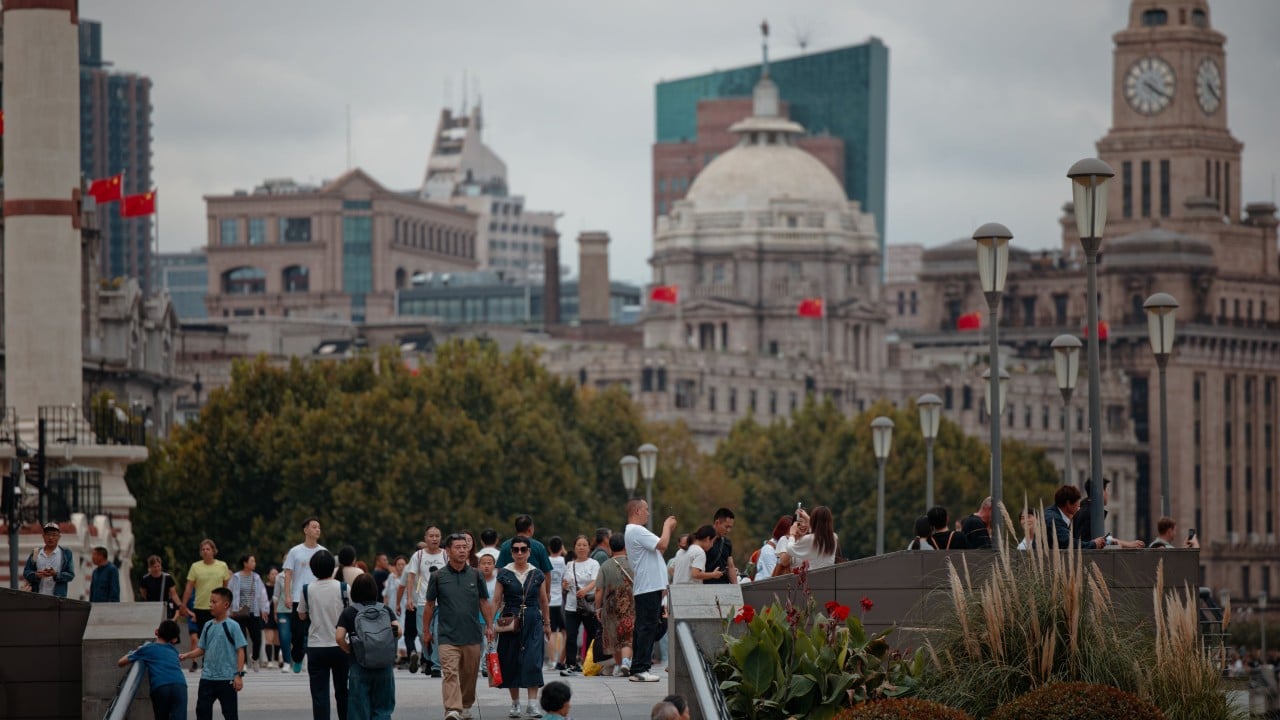
The two-month extension of the US-China trade truce remains fragile despite last week’s summit between Presidents Donald Trump and Xi Jinping, with modest economic concessions leaving deeper disputes unresolved, Asia Society Policy Institute analysts said on Tuesday.
“In my view, this truce is very fragile,” said Wendy Cutler, an Asia Society Policy Institute vice-president and former acting deputy US trade representative. “I think they’re testing each other.”
Xi’s three-day state visit to Washington produced a further extension of the tariff ceasefire and plans for targeted tariff reductions, but Cutler said the economic results reflected little urgency.
“My takeaway would be the economic deliverables, while important, were pretty modest, and frankly, there wasn’t a whole lot of urgency to them either,” she said.
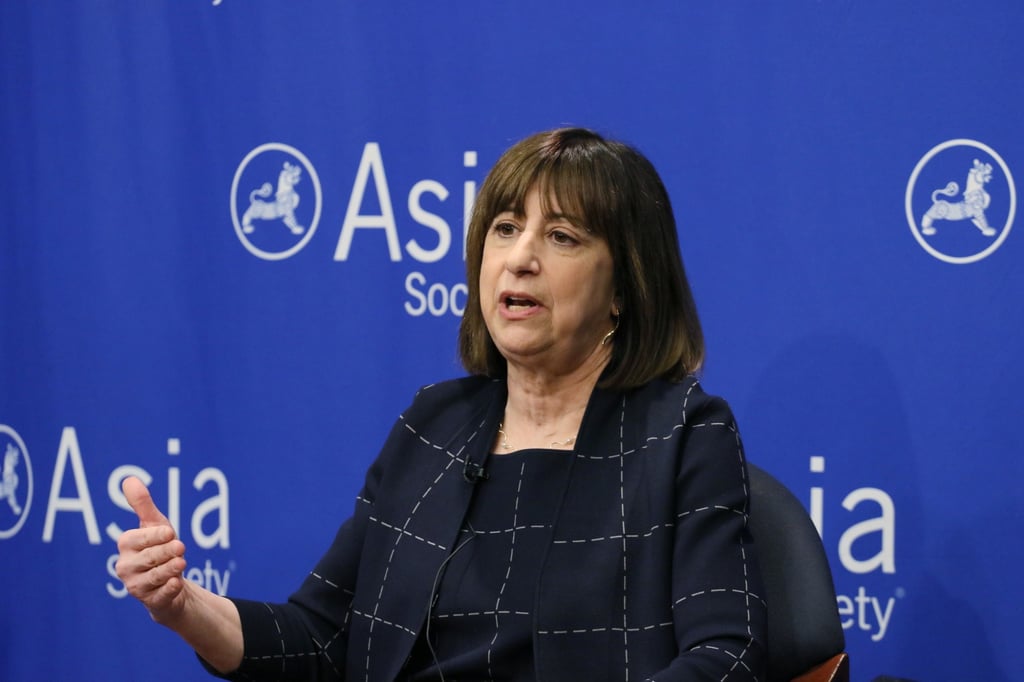
Cutler was speaking on a panel examining the summit’s outcomes alongside Asia Society president Kevin Rudd and technology specialist Paul Triolo.
The trade truce was extended from November 10, 2026 to January 10, 2027 following an unscheduled meeting between Chinese Vice-Premier He Lifeng and US Treasury Secretary Scott Bessent shortly before Xi landed in Washington.
Cutler said the short extension reflected Washington’s calculation “that smaller or shorter extensions could provide some leverage” to ensure China fulfils its agricultural commitments and resumes full shipments of critical minerals and magnets.
Details of the summit’s outcomes emerged after Xi departed the US.
The White House on Sunday released lists of non-sensitive goods worth US$30 billion recommended for tariff reductions on each side, amounting to US$60 billion in total. The lists were coordinated under the US-China Board of Trade, a bilateral body established during Trump’s state visit to Beijing in May.
More than 90 per cent of the products covered by the agreement would receive most-favoured-nation tariff rates and all reciprocal tariffs would be waived, China’s Ministry of Commerce said on Monday.
“The levels are so low compared to our overall trade, and frankly, more and more of our trade is falling into the sensitive basket,” Cutler said.
04:52
‘New joint arrangement’ on trade as Xi meets Trump at White House
Rudd said Beijing wanted diplomacy led by the two presidents to ensure a “minimal number of surprises coming out of the United States between now and the end of next year” as the ruling Communist Party’s 21st congress approaches.
“The Chinese, when they want stability, what they mean by that is no more new tariffs, and can we get existing tariffs down? That’s stability mode,” he added, linking Beijing’s push for predictability to China’s sluggish domestic economy.
Another notable outcome of the summit was the establishment of a government-to-government dialogue on artificial intelligence, with Beijing stating the two countries should “maintain dialogue and strengthen cooperation” on the technology.
But the scope for cooperation remained uncertain. Trump on Tuesday said the US would not collaborate with Beijing to govern artificial intelligence as it would make it more difficult for American companies to get ahead as the two countries race for global AI supremacy.
“Both governments have never really dealt with this issue of how to govern AI models domestically. It’s a new issue, so having a dialogue on this at the government-to-government level is really complicated,” Triolo said.
The two leaders also pledged to meet at the Asia-Pacific Economic Cooperation summit in Shenzhen in November and at the Group of 20 in Miami in December, which would mark an unprecedented four face-to-face meetings between the presidents in a single year.
“Strategic competition is the operational strategy of both sides,” Rudd said. “The question is whether it’s managed strategic competition or unmanaged strategic competition on the way through.”
KioskNews shows a cleaned-up reading view extracted from the publisher’s page — the original always lives on their site, not ours.