Co-care scheme may help prevent 9% of stroke, heart failure cases in next decade
About 9 per cent of stroke and heart failure cases may be prevented in Hong Kong over the next decade through a government co-care scheme, according to a university projection.
Launched in 2023, the Chronic Disease Co-care Scheme has enrolled over 200,000 residents as of January. Originally a pilot scheme, it was regularised in March, with around 40 per cent of those who completed screening diagnosed with diabetes, hypertension or pre-diabetes.
“The co-care scheme effectively enables individuals who have not yet been diagnosed … to receive early management from a multidisciplinary team to comprehensively control cardiovascular risks,” said William Wong Chi-wai, clinical professor and chairman of the University of Hong Kong’s (HKU) department of family medicine and primary care.
“The results … demonstrably reduce mortality risks as well as complications associated with diabetes and hypertension,” he said.
The scheme is a part of the Health Bureau’s primary healthcare co-care network, which will run for five years and is expected to benefit 700,000 residents, said Dr Esther Yu Yee-tak, a consultant of the bureau’s primary healthcare commission.
The scheme provides subsidised screening for diabetes, high blood pressure and high blood lipids to people aged 45 or above through participating family doctors. If participants are diagnosed with any of those conditions, they will proceed to receive subsidised treatment and any necessary laboratory tests.
According to an HKU projection, calculated based on an assumed baseline of 200,000 participants, medical literature and clinical indicators, the scheme can prevent 502 strokes, 591 cases of Type 2 diabetes, 253 heart failure cases and 170 cases of peripheral vascular diseases over the next 10 years, representing a drop of around 8 to 10 per cent in disease risk, Wong said.
As for chronic kidney disease, there would be a reduction of 581 cases, representing a 3 per cent dip.
Alex Chu Man-yan, who works in the beauty care industry, was a participant of the co-care scheme. The 51-year-old said he had experience occasional dizziness over a few years but did not seek medical advice. Upon referral by a friend, he did a subsidised screening and was diagnosed with diabetes.
Under the scheme, Chu said he followed a personalised treatment plan devised by his family doctor, who scheduled regular blood tests to track his health. He also received eye checks to screen for diabetic complications and consulted a dietitian for advice.
He found the co-payment model affordable, having to pay around HK$100 (US$13) for each doctor consultation or physiotherapy session.
“I also used to buy lipid-regulating medication out-of-pocket. Under this scheme, the doctor prescribes it altogether, so I don’t need to spend extra money purchasing it myself,” Chu said.
He said he regularly went running with friends after joining a health run scheme organised by the district health centre.
Since joining the scheme, Chu’s blood sugar dropped significantly, and he experienced improvements in his physical stamina and mental health.
“My lifestyle has totally transformed,” he said.
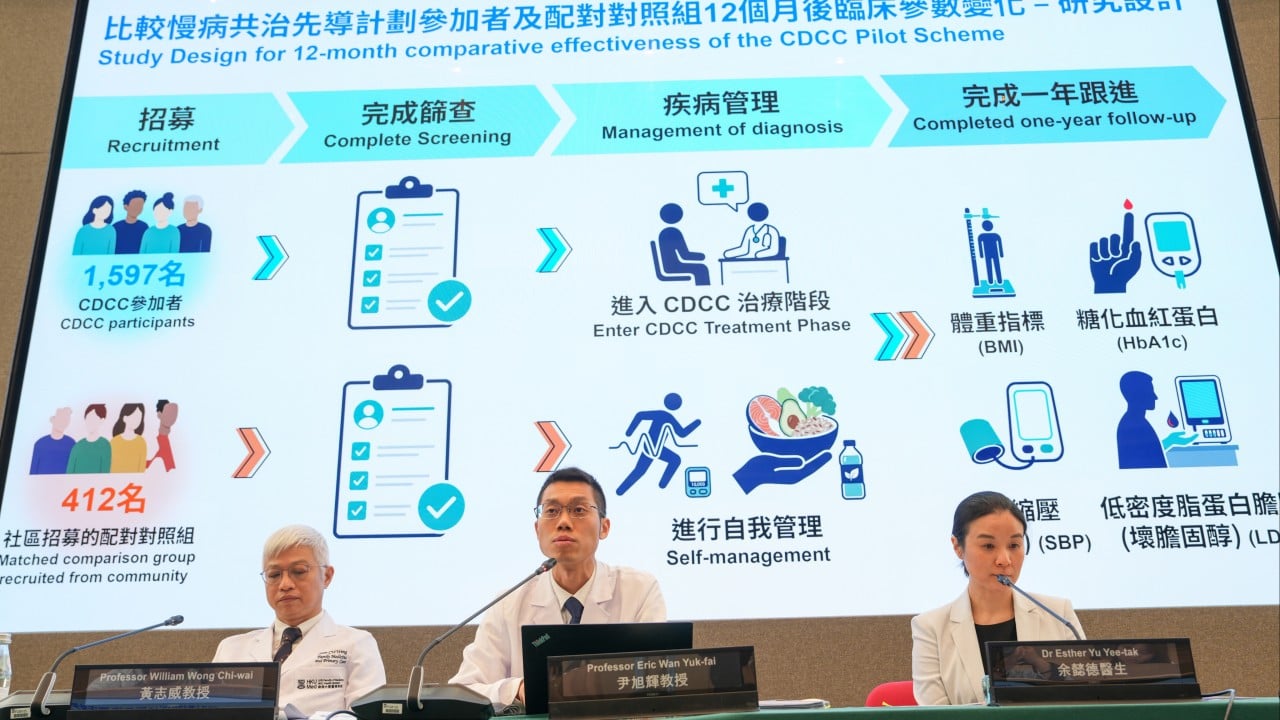
According to an analysis by the HKU team, the major risk factors among the scheme’s participants with diabetes showed “significant improvements”, with drops in blood pressure and blood lipid levels for those who received one year of follow-up appointments.
“Cardiovascular disease, despite being the leading killer in Hong Kong, is actually preventable, as long as we identify individuals with hidden risk factors early on, including diabetes and high blood pressure,” Yu said.
KioskNews shows a cleaned-up reading view extracted from the publisher’s page — the original always lives on their site, not ours.