Gates Foundation commits $1 billion to help build and deliver equitable AI
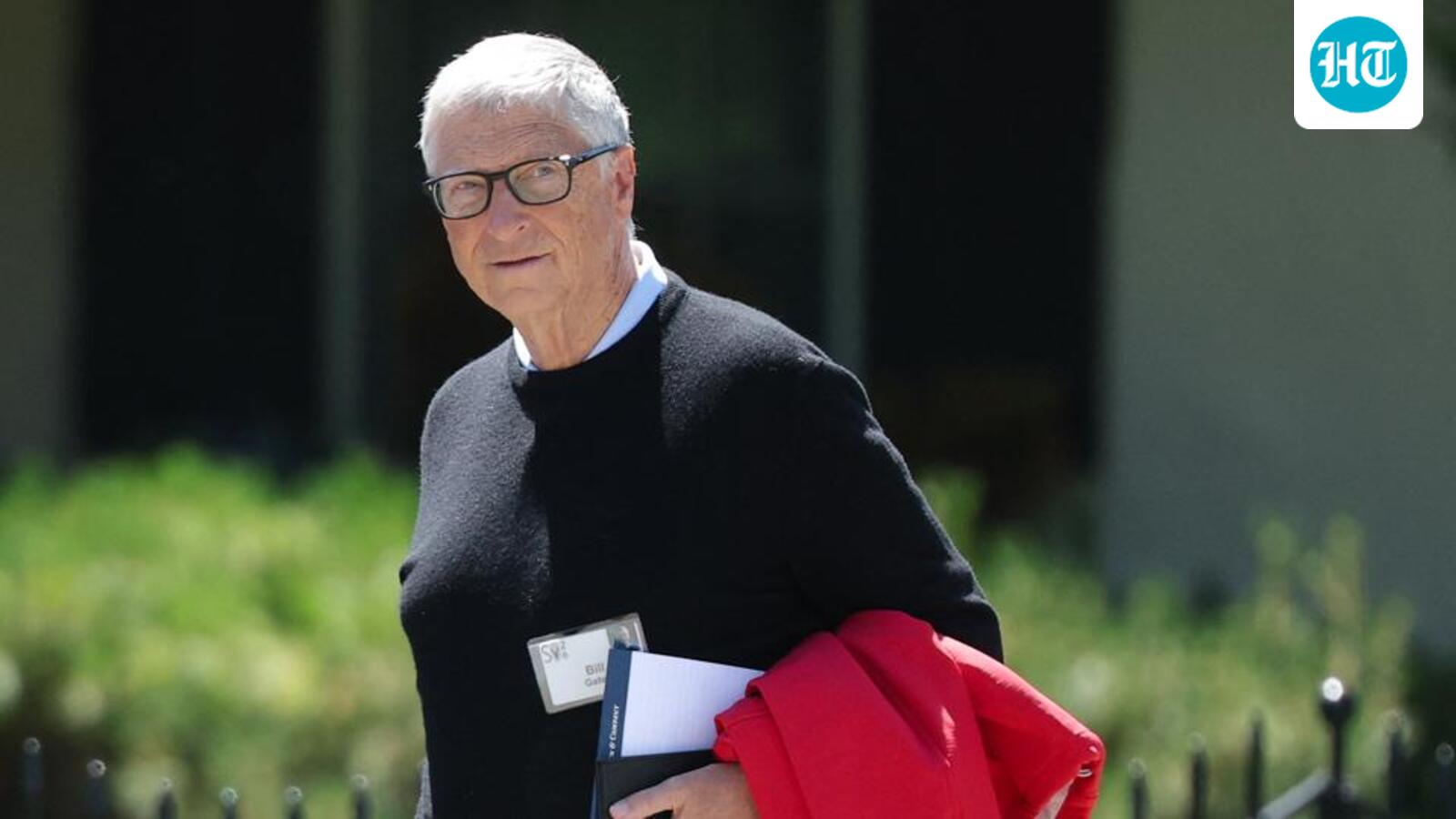
The Gates Foundation has announced plans to spend at least US$1 billion over the next two years to expand access to artificial intelligence (AI) and AI-enabled solutions, opportunities, and knowledge.
The announcement came as the foundation launched its 10th annual Goalkeepers Report late Monday, which this year focuses on the urgent actions needed to ensure AI helps narrow gaps between the richest and poorest rather than widen them.
“The Gates Foundation was created in part to address a basic market failure: the people with the greatest needs often have the least power to shape where innovation and investment go,” said Bill Gates, chair of the Gates Foundation, in the report. “Much of our work has been about closing that gap. AI presents the same challenge, only at much greater speed. Left to the market alone, the most capable tools will be built first for the people and institutions most able to pay for them—not necessarily for those who could benefit most.”
The Goalkeepers Report identifies three areas where action now could help AI improve lives and livelihoods for more people in the years ahead: Make AI tools work in every language people speak. More than 90% of the data used to train early large language models came from English-language sources, leaving many communities that could benefit from AI poorly represented in data on which these tools were built.
Build AI tools for the contexts in which people will use them. Effective tools require data and expertise from the places and populations they are intended to serve, with countries and communities deciding how data is managed and protected.
Invest in people and access so communities can shape how AI works for them. Doctors, farmers, teachers, and developers need opportunities to learn how to evaluate AI tools and adapt what works to their own contexts. They also need affordable access to the technology, which will require action from technology companies as well as investment from governments and philanthropy.
“Equitable access to the benefits of AI will not happen on its own. But if AI tools are built with the expertise of the end users, they can put knowledge and advice in the hands of hundreds of millions of people who have not benefited from previous technology revolutions,” said the foundation in a statement.
According to the statement, over the next two years 40% will be allocated to support education, including AI tutoring to help individualise student learning and teaching tools for use in US classrooms and abroad; 40% will support health care, from diagnostics and clinical decision-making support for frontline health workers to maternal and newborn care tools and the discovery of new drugs and vaccines; 10% for agriculture, including to help smallholder farmers get AI-generated advice customised to their soil, weather, and crop conditions; and the remaining 10% will be used to build the digital foundation that equitable AI depends on, including datasets in languages the tools do not yet understand.
“We can harness AI for good. But it won’t happen by accident,” Gates said in the statement. “It requires a deliberate, specific commitment from government leaders and the companies developing the technology: to measure success not only by what AI can do for the most profitable users but by what it can do for the people who stand the most to gain.”
KioskNews shows a cleaned-up reading view extracted from the publisher’s page — the original always lives on their site, not ours.