US Democratic tsunami: Three major challenges facing Israel after Republican defeat - analysis
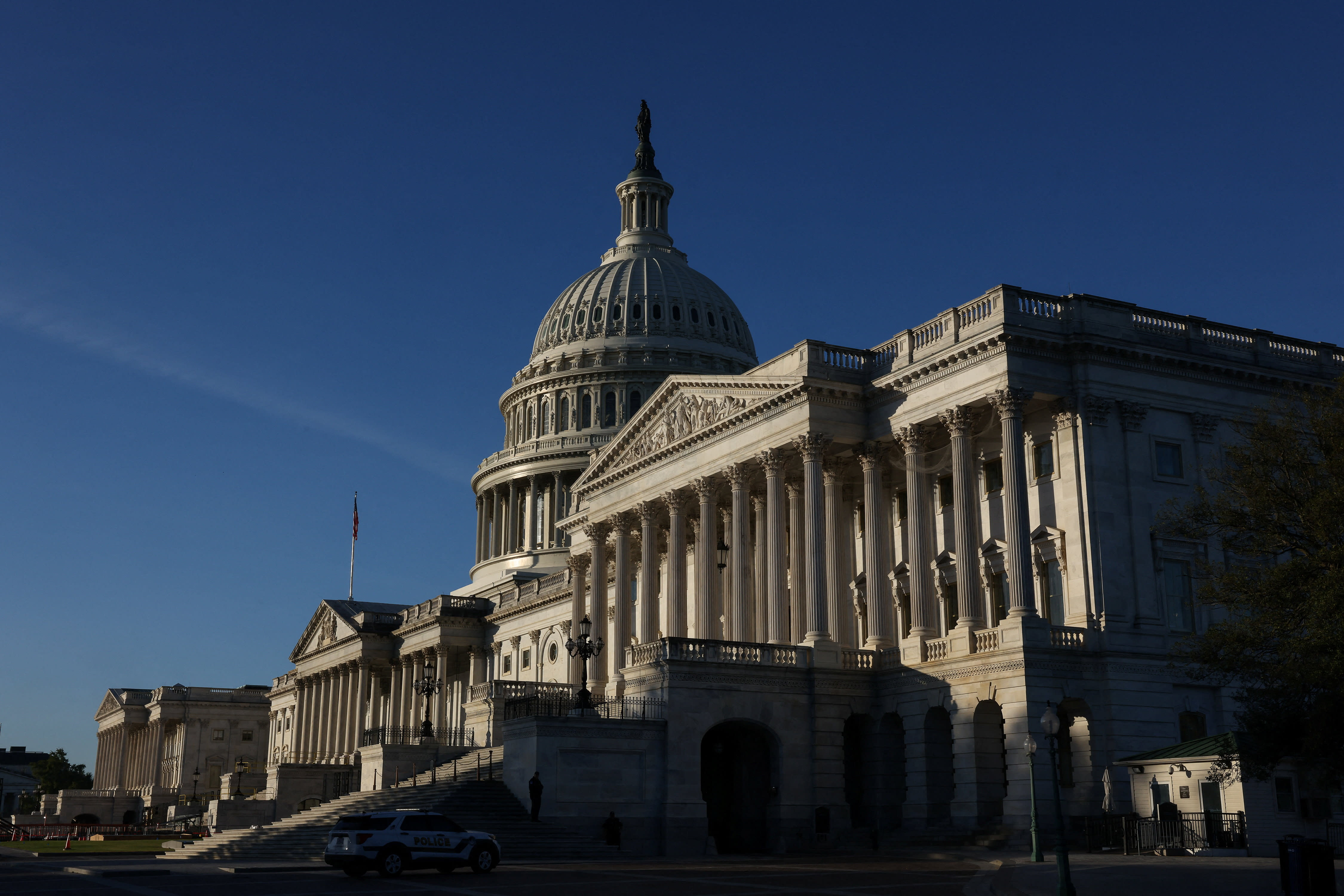
Trump's Iran strategy, Democratic control of Congress, and the 2028 presidential race could reshape Israel's relationship with Washington for years to come.
The implications of the US midterm elections for Israel could extend far beyond the loss of Republican control of Congress. The defeat comes amid broader shifts within the Democratic Party regarding Israel, the war with Iran, and the strategic relationship between Jerusalem and Washington.
There are three key areas in which the election results could significantly affect Israeli interests: US President Donald Trump's policy toward Iran, the new balance of power in Congress, and, perhaps most importantly, the 2028 presidential election, which is already beginning to take shape against the backdrop of changing attitudes within the Democratic Party.
The war with Iran: Will Trump opt for concessions or a swift military operation?
One of the clearest takeaways from the election campaign is the political price the war with Iran has exacted on the Republican Party.
"100% of the results would have been different without the war," Fox News commentators acknowledged. Even Trump conceded that "Iran was part of the loss." Perhaps the most telling figure is that 62% of voters surveyed in exit polls said they opposed the war.
The political message to Trump is clear: The American public has little appetite for another prolonged war in the Middle East. The question is how the president will translate that message into policy.

There are two possible scenarios, both of which require Israel to monitor developments closely.
The first is that Trump could decide to intensify diplomatic efforts, agree to concessions in negotiations with Tehran, and attempt to present a deal as a diplomatic achievement that would allow him to extricate the US from the conflict.
The second scenario would involve an attempt to bring the military campaign to an end through a short but powerful operation, one that would allow the president to declare victory, claim that American objectives have been achieved, and rapidly scale back US involvement in the region.
In either scenario, Israel's interests do not necessarily align with the White House's. That gap could become one of the main sources of tension in the relationship between the two countries.
The new Congress: A growing progressive and anti-Israel wave
The second challenge concerns the composition of the next Congress. A new wave of Democratic lawmakers, some of whom hold particularly critical views of Israel and, in certain cases, explicitly anti-Israel positions, is expected to join those already serving on Capitol Hill.
The implications go beyond a change in the lawmakers occupying seats in the House and Senate. They also involve a shift in the balance of power and the ability to shape the political agenda.
Democratic control of both chambers would give the party control over committee chairmanships and agendas, as well as the House speakership and Senate leadership. This would allow Democrats to advance hearings, investigations, and legislative initiatives concerning Israeli policy, the war in Gaza, US military assistance, and the broader strategic relationship between the two countries.
To be sure, not every anti-Israel initiative will become law, and certainly not every Democratic member of Congress shares the same views. Nevertheless, the expansion of the camp critical of Israel, and its growing access to positions of influence, represents a shift that Israel cannot afford to ignore.
This development comes amid a broader trend within the Democratic Party: growing calls to reduce US military assistance to Israel, condition it on changes in Israeli policy, and even reconsider the nature of the special relationship between the two countries.
Positions that were once considered relatively marginal within the party are now gaining a much more prominent platform.
The 2028 election: Will Mamdani become a political role model?
Another challenge for Israel lies not in Washington's immediate political landscape, but in the next presidential election.
The message many Democratic candidates may take away from the midterm elections is straightforward: It is possible to adopt strongly anti-Israel positions and openly criticize the American Israel Public Affairs Committee (AIPAC) while still achieving political success. In fact, in certain cases, such positions may even prove to be an electoral advantage among significant segments of the party's base.
Candidates seeking seats in Congress or senior political positions at the state level in the coming years will be closely watching the success of politicians such as Abdul El-Sayed and a new generation of Democratic House members. They will also be examining how these politicians have managed to make sharp criticism of Israel a central component of their political identities.
The result could be a further radicalization of political discourse: more candidates aligned with the political camp represented by Zohran Mamdani, harsher criticism of Israel, and less willingness to defend the traditional relationship between the two countries.
This brings us to a particularly important point: The Democratic Party will have to choose its presidential nominee in 2028. Any candidate seeking to secure the support of the party's base will be unable to ignore this sentiment.
Even if the eventual nominee does not embrace the most extreme positions, he or she may feel compelled to adopt a significantly tougher and more critical stance toward Jerusalem than anything previously seen among Democratic presidential candidates.
KioskNews shows a cleaned-up reading view extracted from the publisher’s page — the original always lives on their site, not ours.