Here's how much a Sony Walkman cost in 1980 vs. 2026
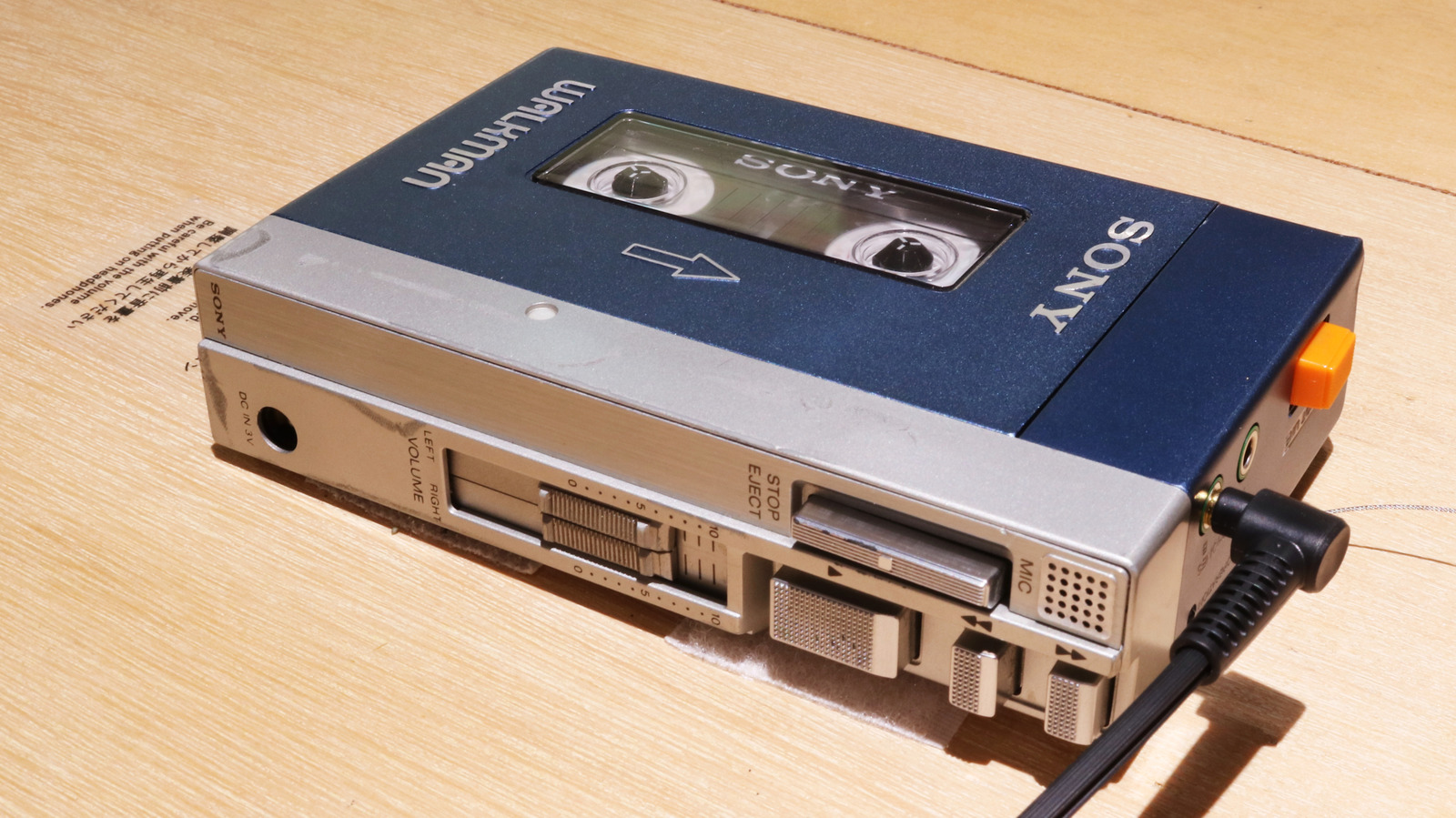
The Sony Walkman TPS-L2 cassette player cost a lot more than people think when considering inflation.
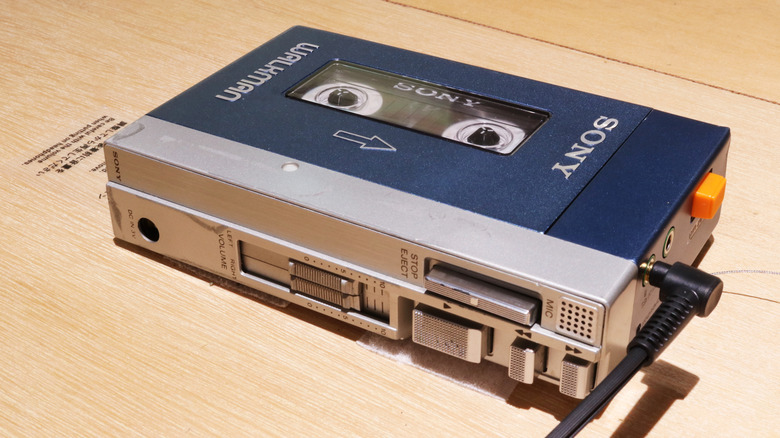
Ned Snowman/Shutterstock
Sony might not have been the first to release a magnetic cassette player, but it sure made them popular. Its Walkman players changed how people listened to music. Tapes once reserved for listening at home or in the car could now be strapped to your belt.
At the time, it took a while to convince skeptics and consumers to try a 14-ounce tape player without recording capabilities. But with the help of street-level marketing, the now-iconic TPS-L2 Walkman (which we've asked readers to review) went on to sell 30,000 units in two months after its 1979 debut in Japan. In 1986, the word "Walkman" even made its way into the Oxford English Dictionary, cementing a portable audio legacy that collectors still hunt down.
Sony sold over 200 million cassette-based players before it stopped making them in 2010. Originally called Soundabout in the US, the player eventually had its branding standardized to Walkman. Sony would rule over personal audio players for about two decades before MP3 players and the iPod took over. Here's what you'd have paid for one of its most recognizable pieces of hardware back then and how much Sony's newer audio devices cost.
Sony's asking price for a Walkman was very different back in 1980
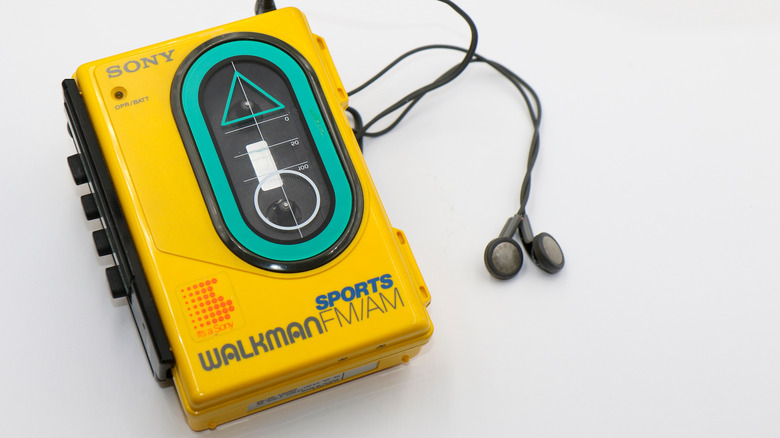
Nicola_K_photos/Shutterstock
When the TPS-L2 Walkman celebrated its 40-year anniversary in 2019, its launch price alone put its influence into perspective. When it came to the Western market in 1980, it cost $200. Accounting for inflation, it would be valued at about $800 today. Built with a modified Sony Pressman recorder chassis, the portable stereo cassette player had two mini headphone jacks for two simultaneous listeners.
Its blue-and-silver metal housing and orange foam earpads on the bundled MDR-3L2 headphones became a familiar sight. A "hotline" button lowered the volume and activated a microphone, letting users speak with someone without taking off their headphones. Two AA batteries kept the music going.
After decades of being a staple in the audio player space, chatter around Walkman devices faded as Apple iPod and mobile phones took over. In 2014, Marvel's Guardians of the Galaxy film brought the TPS-L2 back into the limelight. Protagonist Peter Quill, played by Chris Pratt, used it to play the Awesome Mix Vol. 1 tape, a gift from his mother in the film — driving vintage TPS-L2 prices into the hundreds or thousands of dollars among collectors.
Here's what the latest Sony Walkmans cost
Targeted at audiophiles, Sony's newer Walkman players cost more than most modern smartphones, even the folding ones. If money is no object, the oddly named $5,900 NW-WM1ZM3 digital audio player (DAP) — roughly $1,500 in 1980 dollars — packs Android, Wi-Fi streaming and a 5.5-inch touchscreen into a precision-milled oxygen-free copper chassis. Sony promises the flagship player delivers "authoritative bass, clarity and dynamic sound."
A more reasonable choice for most people is the $350 midrange NW-A306 from 2023, which supports hi-res files and high-quality codecs, albeit at a paltry 32GB of storage (with only about 16GB usable). Budget models like Sony's $75 NW-E394 stick to the basics, losing Android support, Bluetooth and SD card expansion. The latter particularly hurts as its 8GB of internal storage runs out pretty quickly.
After the TPS-L2 Walkman, Sony built on its success with the Discman and MiniDisc players before switching over to modern portable media players. The world may have moved on to streaming apps and the brand might not be as recognizable, but the Walkman's DNA lives on in how we approach the intersection of music and technology today. From the original's $200 price tag in 1980 to today's $75 to $5,900 range, the cost of entry has certainly evolved right alongside the hardware.
KioskNews shows a cleaned-up reading view extracted from the publisher’s page — the original always lives on their site, not ours.