8 Shows That Fell Off Hard After Season 1

Casey Duby is an avid TV writer, watcher, and reviewer. She graduated from Emerson College in 2021 with a focus in Writing for Film and Television, where she wrote several pilots and watched countless more. She's been working in television ever since.
Casey loves thoughtful content that makes her ponder our world and the people in it, and she's learned that any genre can surprise her. With favorites in every genre from horror to politics, family to action, nothing is off limits.
Casey has experience working in TV development and writing scripted shows. Currently working as a Writer/Critic in Los Angeles, with an AMC A-List membership to boot, she is always hunting for the next good story and great theme song.
Even the most popular TV series have experienced dips in quality, and even shows whose premieres made some of the splashiest entrances in television history have struggled to maintain their intrigue through to the finish line. Of course, shows that are strong from start to finish are the gold standard of TV writing, but, unfortunately, controversial or disappointing finales are far more common.
Lost, the 2004 ABC phenomenon that dominated water cooler conversation for years, boasts one of the most controversial series finales of all time. More recently, Jason Bateman's critically acclaimed Ozark had a notoriously lackluster ending that seemed to have largely brought mainstream discussion of the show to a close in tandem with its story.
Similarly, mid-series stumbles are also frequent, even among shows that managed to stick the landing. The beloved Friday Night Lights has a now-infamous second season, while House, despite its widely appreciated ending, struggled through the immediate aftermath of a major character exit.
Crucially, though, these hits found their way back to solid storytelling. The same can't be said for these shows that lost their way after their first season and never recovered.
Heroes
4 Seasons

In its first season, Heroes felt like an excitingly original take on the superhero genre. The story, about a group of average individuals who belatedly discover they have world-saving abilities, was grounded, earnest, and exciting. The high stakes of a genuine world-ending event kept the story focused and the energy up, while still leaving room for down-to-earth character development.
The looming threat of an explosion and the clear implications of what would follow drove the plot of Heroes season 1. Season 2, though, didn't share season 1's urgency. The season pivoted its focus to the potential outbreak of an ominous virus, but the show didn't actually introduce the virus' apocalyptic potential until episode 7.
Meanwhile, the other aspects of the series were similarly weak compared to the tight intrigue of season 1. Series creator Tim Kring himself admitted that Heroes season 2 suffered from slow plot progression, detached character development, and stilted romantic arcs that didn't suit the show. Seasons 3 and 4 unfortunately continued Heroes' transition from earnest and exciting to serious and heavy-handed.
13 Reasons Why
4 Seasons

13 Reasons Why, the emotionally mature young adult novel by Jay Asher, took the world by storm when it came out in 2007. Ten years later, Netflix's adaptation had a similar impact. The show's first season embraced the novel's unflinching treatment of the topics of suicide and sexual assault, respecting its young audience enough to tell such a raw, emotional story. The audience appreciated the gesture.
Season 2, however, continued on where the source material concluded, and a tone that was once mature and raw had become graphic and shocking. The story's premise was already dark enough to stop viewers in their tracks, yet each subsequent season of 13 Reasons Why seemed to be trying to one-up itself, making the show increasingly contrived and seemingly upsetting viewers just for the sake of it.
This was a trend that began in season 2 and persisted through to the end. 13 Reasons Why season 3 earned an 11% on Rotten Tomatoes compared to season 1's 77%. By the time it reached the end, it wasn't a stretch to argue that 13 Reasons Why was Netflix's most controversial show of all time.
Broadchurch
3 Seasons
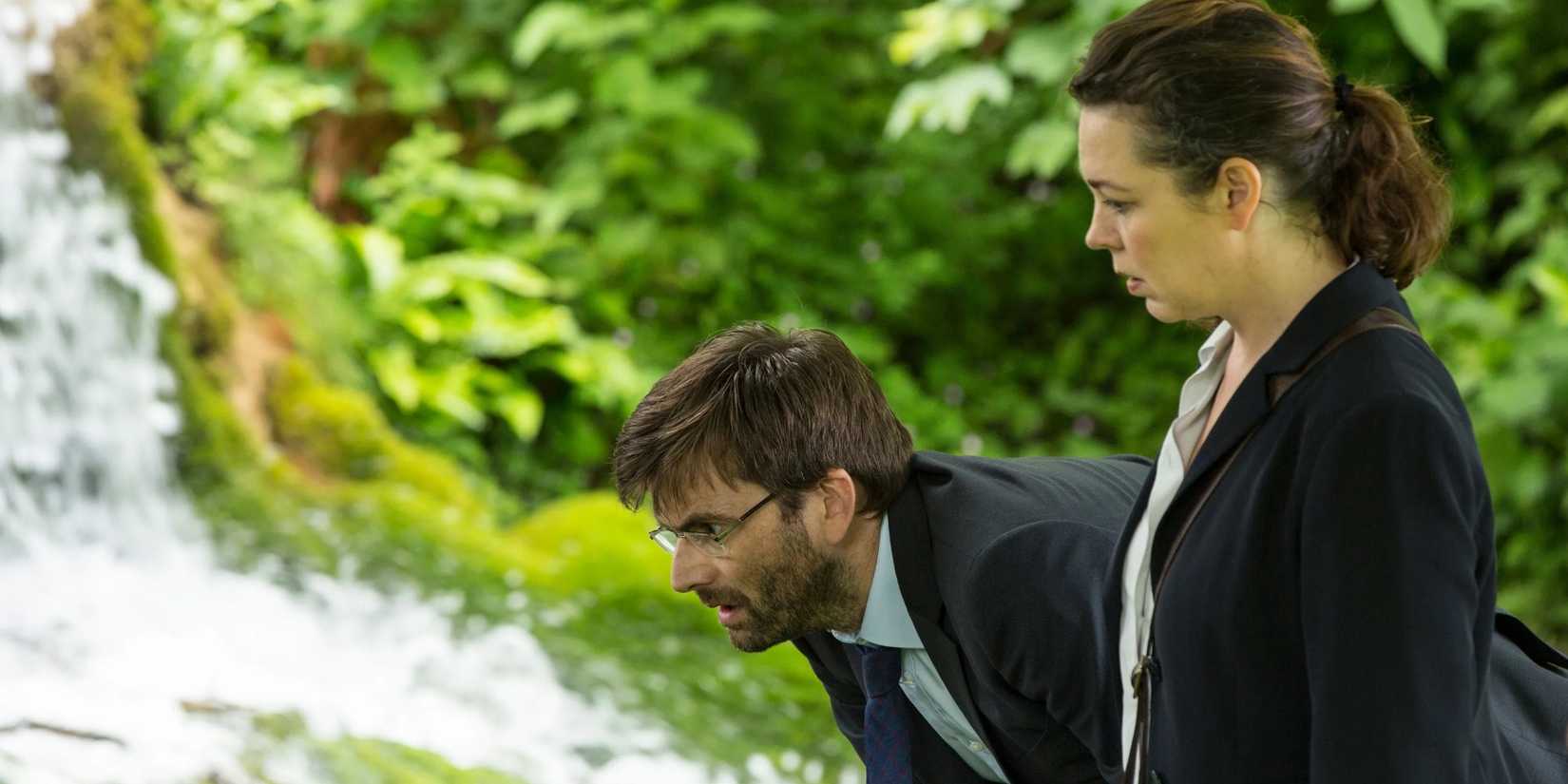
Broadchurch's first outing remains a standout in the now-saturated small town murder mystery genre. Co-leads David Tennant and Olivia Colman gave, arguably, career-best performances as the show explored a tight-knit community's descent into grief and suspicion.
Throughout season 1, Broadchurch excelled at not only solving the mystery of 11-year-old Danny Latimer's death, but also at exploring the psychological impact the event had on the ecosystem of the town as a whole. In a unique move for the murder mystery format, Broadchurch seasons 2 and 3 largely continued to explore the fallout of Danny's death rather than fully pivoting to a new mystery.
While new characters and stories were introduced, the show also preserved its focus on the Latimers, attempting a truly in-depth psychological exploration of the tragedy. With the case closed, though, Broadchurch's subsequent seasons suffered for feeling more like they were belaboring the point and overstaying their welcome than they were breaking new ground.
Westworld
4 Seasons
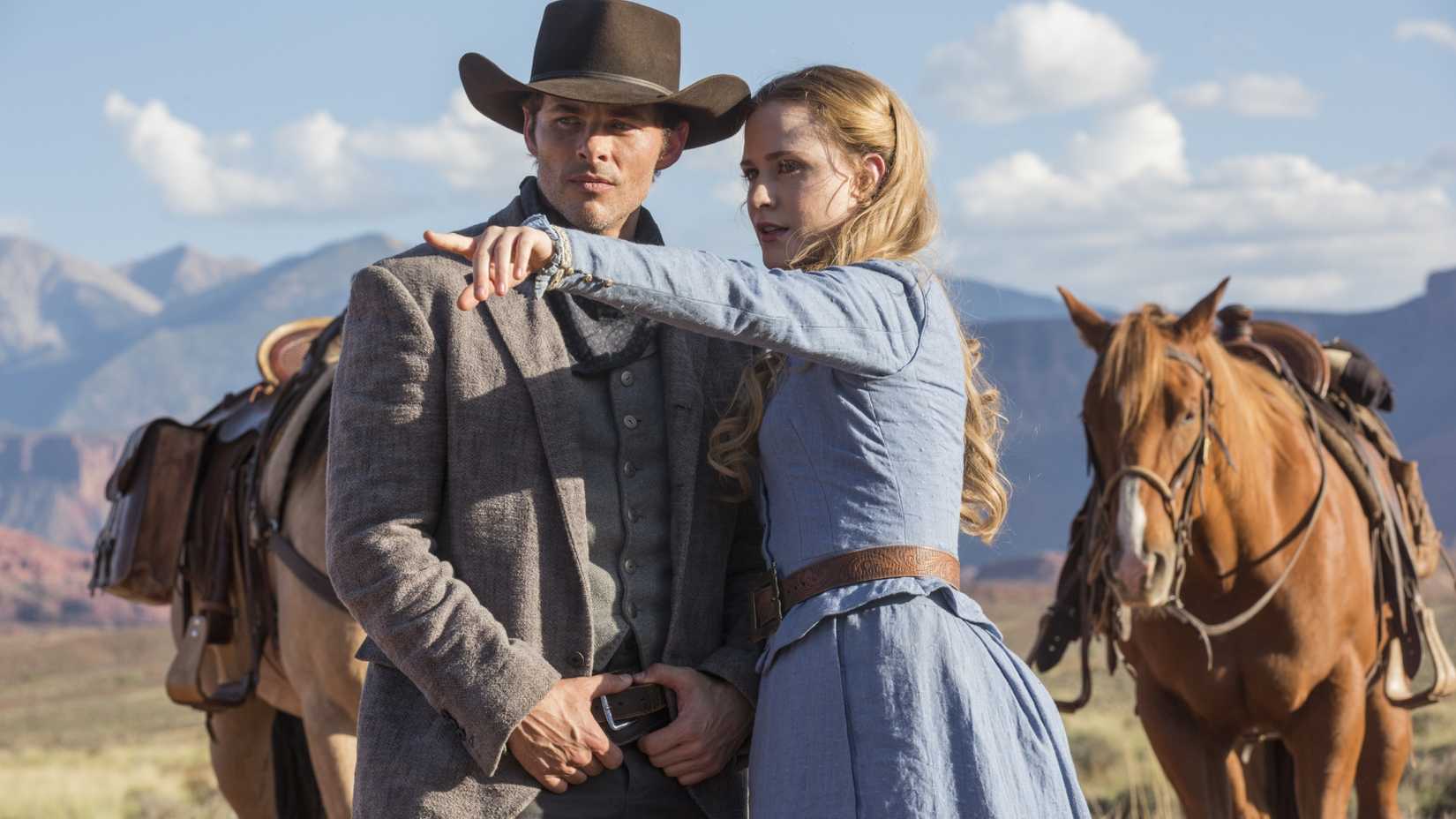
Westworld season 1 is still considered some of HBO's best work. Yet the rest of the series has proven to be such a disappointment that HBO Max no longer even has the show available to stream.
Westworld came when variations on the neo-Western genre were in full swing, and there has still not been anything that captures the eerie, desolate, futuristic cowboy atmosphere like HBO's quietly star-studded series. Aaron Paul, James Marsden, Jeffrey Wright, Ed Harris, Anthony Hopkins, Evan Rachel Wood, and Luke Hemsworth all starred in a series whose greatness was quickly cut short.
After its excellent first season, Westworld's plot grew both increasingly convoluted and increasingly removed from the Western setting that made it so visually unique. Creators Jonathan Nolan and Lisa Gilroy have since moved on to executive producing Fallout, another retrofuturistic show that encapsulates a Western energy, so far with more enduring success than Westworld.
True Detective
4 Seasons
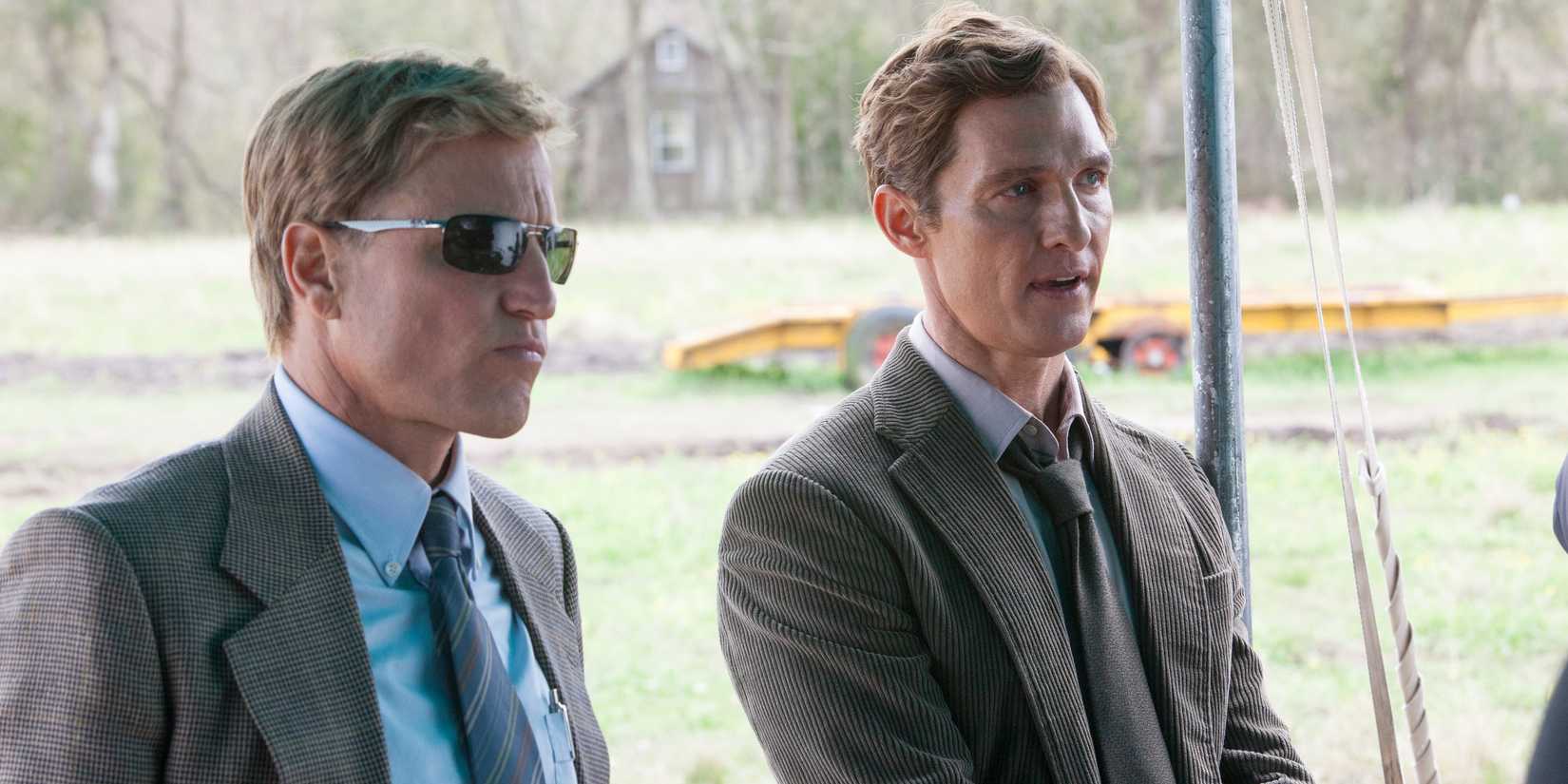
Like Westworld, True Detective is an HBO series famous for a first season so impressive that the show's future installments were unable to follow in its own footsteps. Matthew McConaughey and Woody Harrelson delivered what were undoubtedly career-best performances in the Southern Gothic crime series, while the story's exploration of themes of masculinity and degrees of evil made the season truly poetic.
In this case, the show's anthology format didn't work in its favor, as the next season had to maintain the quality of the first without any of the actors, stories, or settings that had so endeared audiences to the show. Every new cast and new mystery True Detective has tried so far has failed to live up to the expectation set by season 1, but the anthology format does give each new season a fresh opportunity to try.
In fact, True Detective's upcoming fifth season might be the most promising yet, as the show has recently made the buzzy announcement that Nicolas Cage and Antonio Banderas will star as the season's leading detectives.
Nine Perfect Strangers
2 Seasons

Hulu almost certainly hoped that Nine Perfect Strangers would become its own Big Little Lies. Similarly based on an excellent and popular Liane Moriarty novel, the cast of Nine Perfect Strangers season 1 conveyed the show's confidence. Melissa McCarthy, Bobby Cannavale, and Manny Jacinto rounded out the group of guests and staff at the wellness retreat run by Nicole Kidman's Masha Dmitrichenko.
Though it never quite reached the height of the novel's quality, Nine Perfect Strangers season 1 was a perfectly enjoyable retelling of the story that delivered on the promise of bringing the eccentric resort to life. Season 2, though, went out of its way to continue the story where the novel concluded, bringing a new set of strangers into Masha's latest experimental wellness endeavor.
Despite the addition of the likes of Annie Murphy, Henry Golding, and Christine Baranski, the characters of Nine Perfect Strangers season 2 felt empty, while the plot felt both convoluted and aimless. The season sacrificed the intrigue of the connection of strangers in favor of revealing Masha's contrived and melodramatic backstory. The fate of Nine Perfect Strangers season 3 is still up in the air.
Beef
2 Seasons

Beef is the latest in the increasing trend of limited series rebranding themselves as ongoing anthology series in the wake of the first season's success. Netflix's surprisingly earnest and surreal saga between Steven Yeun's Danny and Ali Wong's Amy quickly became what was arguably one of the streamer's highest-quality original productions.
The plot, which began with a minor road rage incident and quickly spiraled out of control, was unexpected at every turn, ultimately offering perceptive observations of Asian-American culture, conflict, and individuality. The season wrapped up in a satisfying conclusion that left no aspect of the story untold. The strong conclusion led to the announcement of Beef season 2 being met with both excitement and wariness.
Both proved to be valid emotions, as the ensemble cast of Oscar Isaac, Carey Mulligan, Charles Melton, and Cailee Spaeny all delivered impressive performances. Nonetheless, the plot felt more like an aspirational season of The White Lotus than something on par with the truly creative Beef season 1.
The Following
3 Seasons
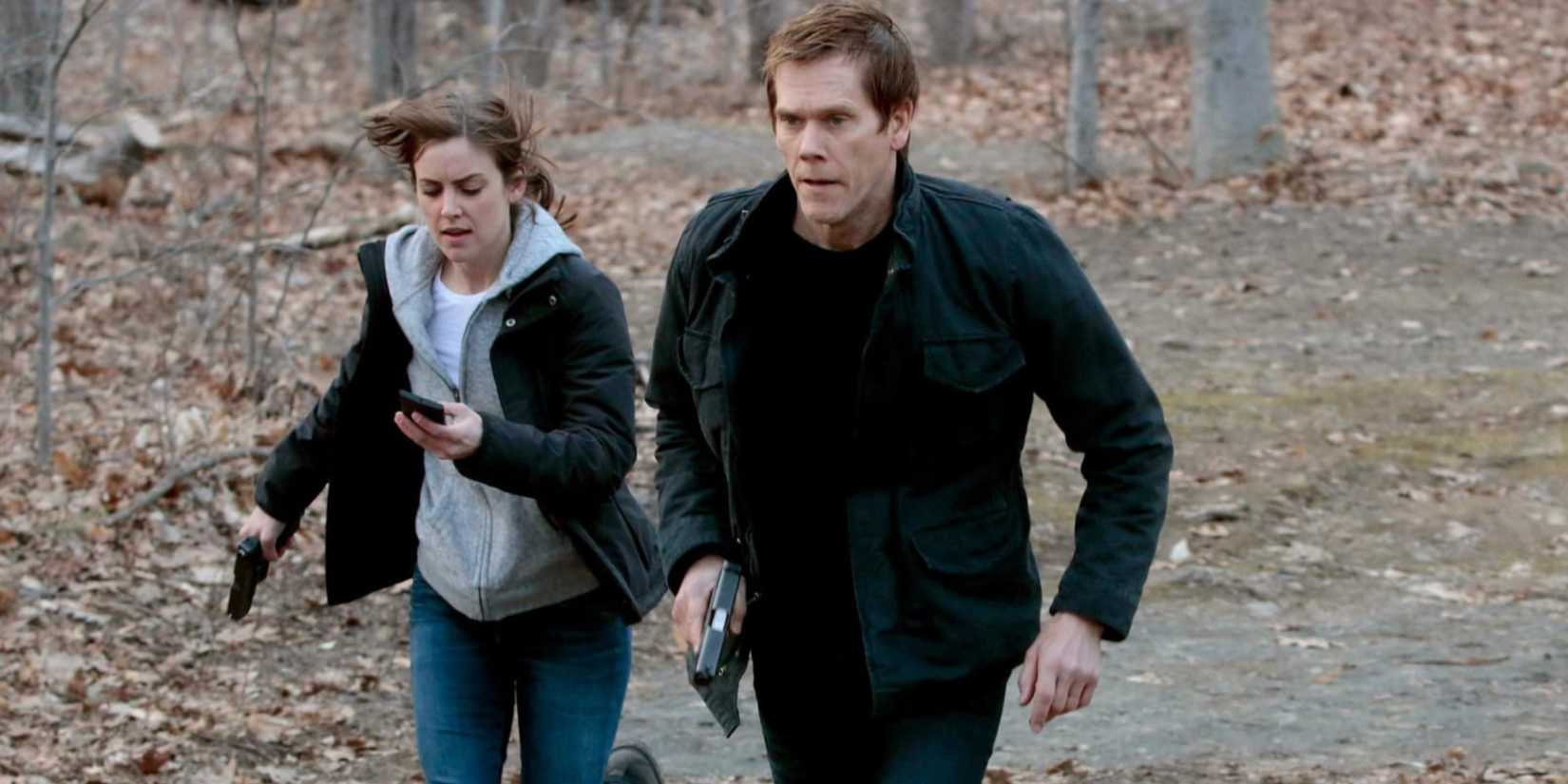
The Following began as one of the most exciting network TV outings of the 2010s. James Purefoy and Kevin Bacon starred in The Following's cat-and-mouse game between a former FBI agent and a murderous, Edgar Allan Poe-obsessed cult leader. Purefoy's charisma and the eerily strange nature of his crimes made the show stand out within the tried-and-true crime drama genre.
Like many shows that dropped off in quality early on, season 1 ended naturally with a climactic event that seemed to resolve the central conflict on both a plot and character level. The show's popularity, though, led to a season 2 renewal that forced The Following to walk back its powerful season 1 finale and manufacture a reason to keep Purefoy's Joe Carroll in the fray.
As the series earned not just a second but a third season, Joe Carroll's continued existence began to stretch the limits of believability, as did the reach of his cult, which seemed capable of thwarting Bacon's Ryan Hardy at every possible turn. Like several of these series, The Following would have a very different legacy had it ended on a high note after season 1.
KioskNews shows a cleaned-up reading view extracted from the publisher’s page — the original always lives on their site, not ours.