Long-lost horror gaming cult classic P.T. gets a much-needed PC port
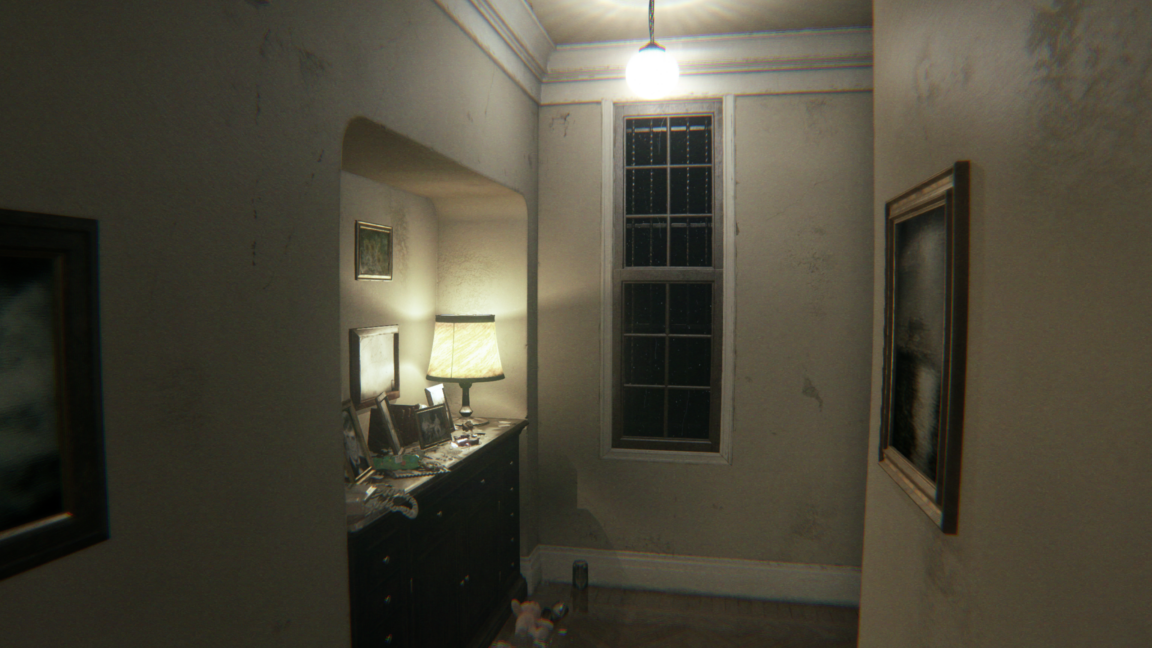
Although Xavier admits to using AI tools in developing this port, it doesn’t seem like he simply followed the recent retro-gaming trend of asking a coding agent to decompile the game. On social media, Xavier said that he has “spent years studying P.T. and Fox Engine” in developing the port and only uses AI tools “for debugging, troubleshooting and investigating problems.”
“I’m a solo developer making a free P.T. port because I love the game,” he added. “Nobody hired me or asked me to spend countless hours on this. I’m sharing something I worked incredibly hard on, simply because I want other people to enjoy it.”
Beyond being of interest to curious gamers who never had access to the extremely limited PS4 version, this port of P.T. should be very useful to preservationists who want to maintain public access to this historically significant game for generations going forward. “Personally… I think the hardware super-specific solutions are dead ends for preservation,” Henry Lowood, curator for the History of Science & Technology Collections and Film & Media Collections in the Stanford University Libraries, told Ars back in 2015. “The kinds of equipment/hardware we have, the way they’re manufactured, just have a very small likelihood of surviving for super long periods of time.”
KioskNews shows a cleaned-up reading view extracted from the publisher’s page — the original always lives on their site, not ours.