Palestine Action, Sally Rooney’s books and the absurd fallout of a UK ban
Irish writer Sally Rooney is a publishing sensation, often described as the “voice of a generation” and the first great millennial novelist. More than six million copies of her books have been sold globally since her debut novel in 2017.
But now, these beautifully written literary bestsellers, with their youthful exploration of romance and relationships, class and technology, are being withdrawn from sale in the United Kingdom.
The generation of royalties for Rooney from the book sales, the author and her British publisher fear, might breach UK anti-terrorism laws carrying a maximum 14-year jail term.
Rooney, who lives in Ireland, feels unable to visit Britain, believing she could be arrested. Last week, publisher Faber revealed the drastic step to stop supplying her books to the UK. It is a crazy situation.
The issue has arisen as a result of the author’s publicly stated support for activist group Palestine Action, proscribed as a terrorist organisation by the British government last year. Rooney declared she would use her royalties to support the group. This might constitute a serious offence under the Terrorism Act 2020.
Faber said the legislation prevented it from passing Rooney’s UK earnings on to her and to continue to sell her books in such circumstances would be “unconscionable”.
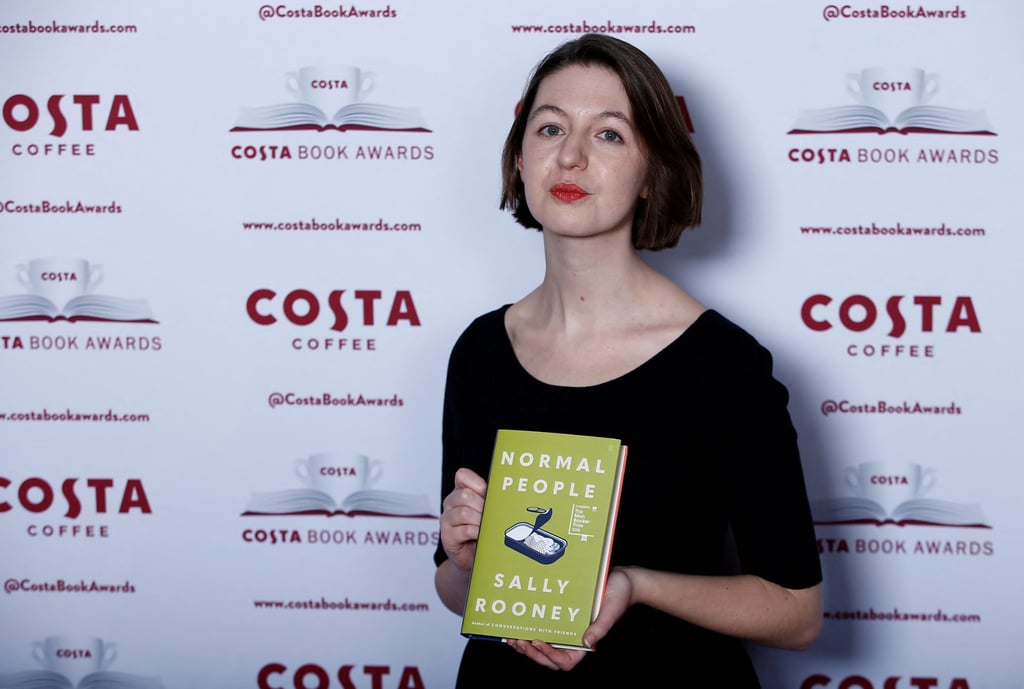
Her e-books were removed from sale. Bookshops will still sell existing copies of print editions. Demand for them has, of course, soared. But stocks will not be replenished, and unless the position changes, the next Rooney blockbuster will be absent from the shelves. The novels will still be available in other parts of the world, including Hong Kong.
This ridiculous state of affairs raises fundamental issues about the impact of anti-terror laws, intended to safeguard national security, on artistic freedom. Such legislation can have far-reaching and, perhaps, unintended consequences.
The question of whether outlawing Palestine Action itself is legal will be determined next month when the group’s challenge reaches the Supreme Court.
In February, the High Court ruled the proscription unlawful, finding it to have breached the home secretary’s own policy and to amount to a disproportionate restriction on free expression and the right to protest.
But that decision was overturned by the Court of Appeal in June. The judges said the ban was justified and proportionate, and the home secretary was best placed to assess terror threats.
Palestine Action, founded in 2020, aims to end what it describes as “global participation in Israel’s genocidal and apartheid regime”. It has targeted UK military support for Israel.
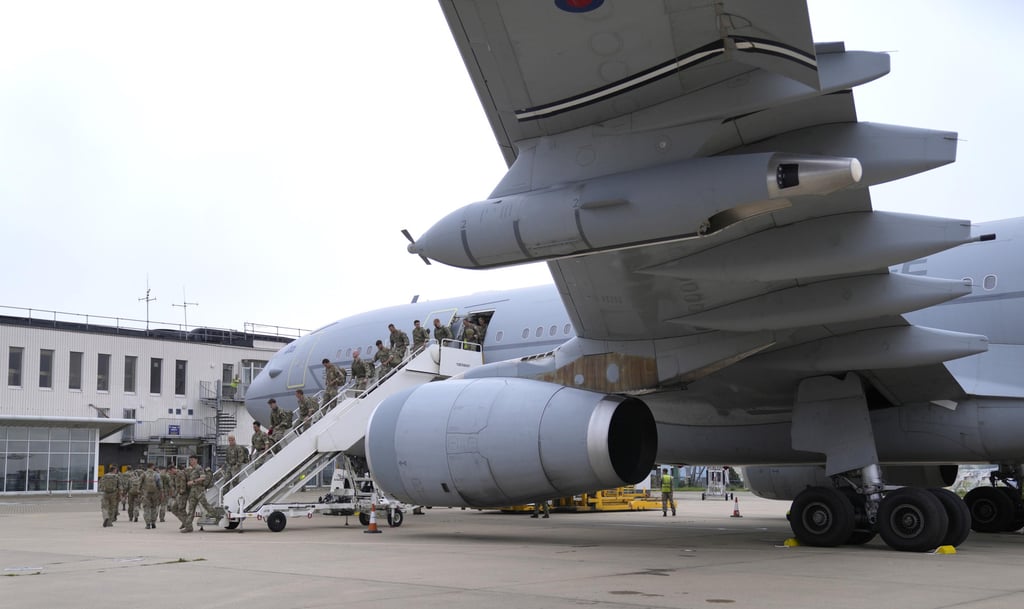
Shortly before being banned, the group carried out a raid on a Royal Air Force base in Oxfordshire, spraying two aircraft with red paint and causing an estimated £7 million (US$9.28 million) in damage.
The government justified the decision to blacklist the group by reference to its “escalating campaign involving intimidation and sustained criminal damage, including to Britain’s national security infrastructure”.
The appeal court said Palestine Action was a group that had gone beyond civil disobedience and was engaged in causing “serious damage to property using weapons”, risking injury to members of the public.
It was described as a covert organisation seeking to prevent the capture of those involved in perpetrating such violence.
But the direct-action protest group has attracted much support and its proscription has been widely criticised.
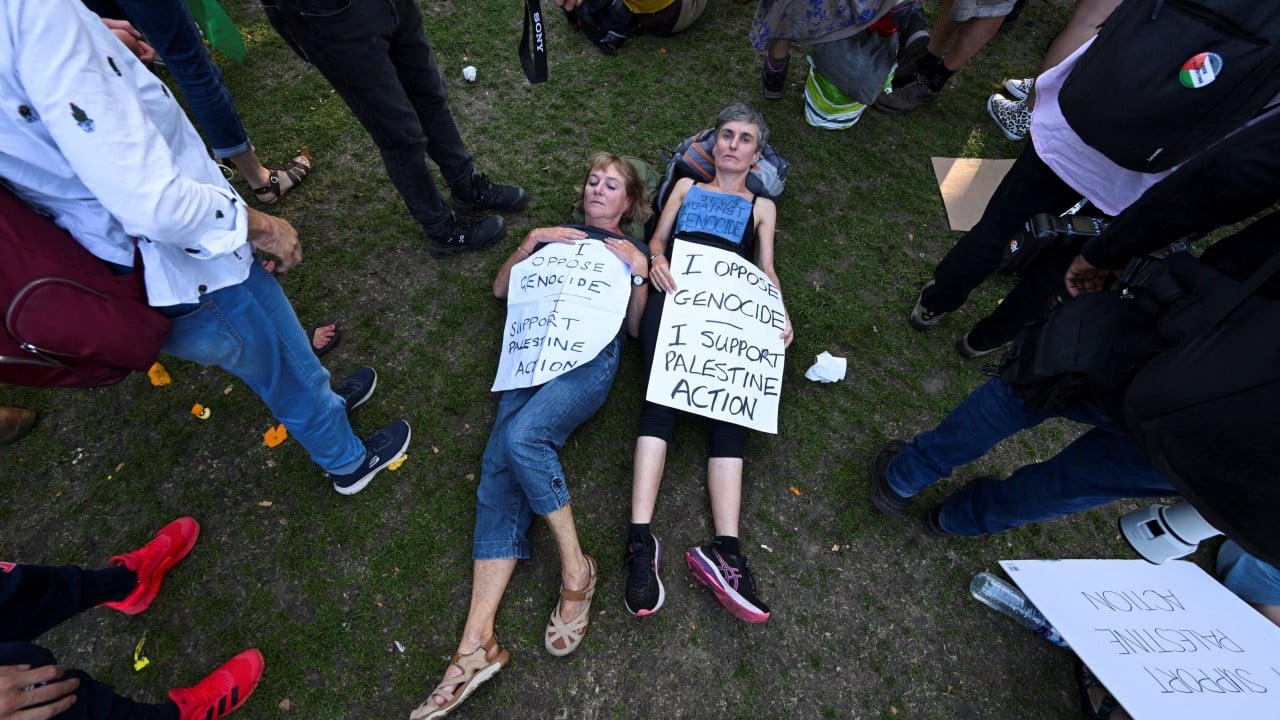
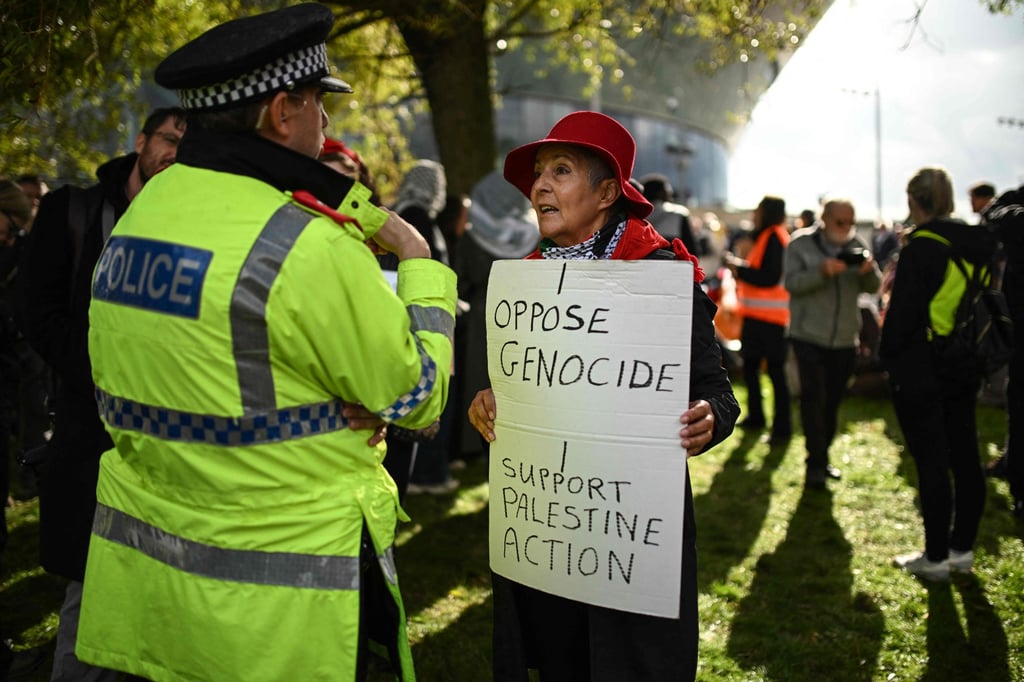
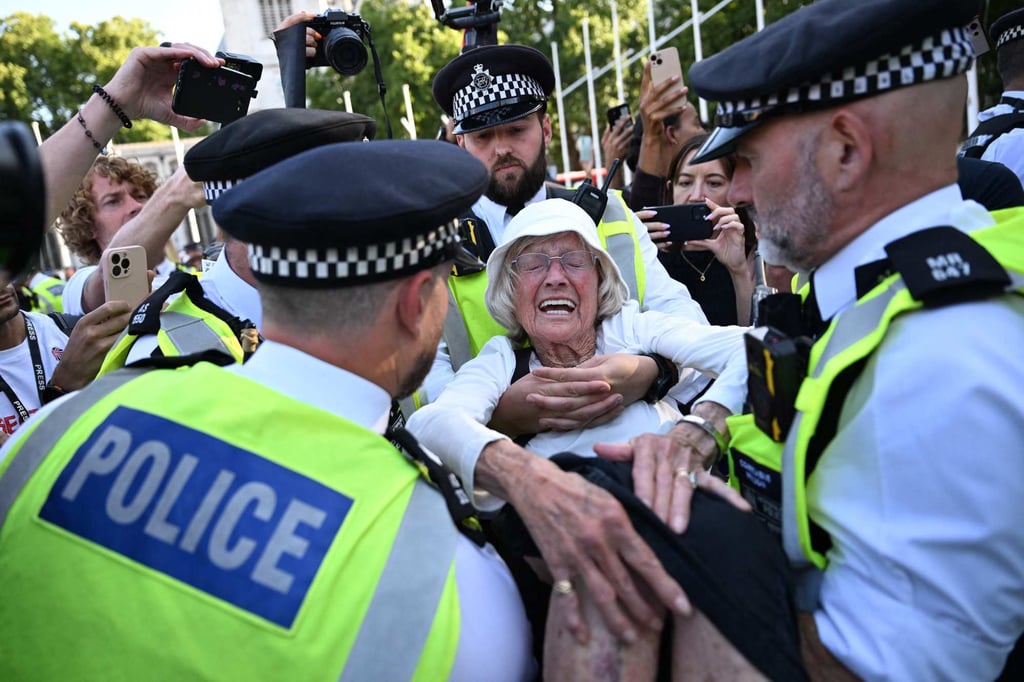
The withdrawal of Rooney’s books is not the only absurd consequence arising from the move. It has sparked numerous peaceful demonstrations, featuring many elderly demonstrators.
Those expressing support for Palestine Action, such as by silently holding up a placard, face arrest and – potentially – jail for supporting terrorism. Around 3,700 have been apprehended and 2,500 charged.
The court case attracted an “intervention” from the United Nations Special Rapporteur on human rights and counterterrorism who argued the proscription order breached the UK’s international human rights obligations.
Rooney warned, in a statement to the High Court, it was unlikely she would be able to publish a new book in the UK if the ban on the group remained and her existing works may have to be withdrawn.
“The disappearance of my work from bookshops would mark a truly extreme incursion by the state into the realm of artistic expression,” she added.
The issue goes beyond whatever view is taken of Israel’s treatment of Palestinians. It concerns the extent to which laws purporting to protect national security curb free expression.
Ultimately, the Supreme Court will decide on the legality of the UK’s ban. But Rooney deserves credit for her courage and spirited determination to stick to her principles. The sooner her novels return to British bookshelves, the better.
KioskNews shows a cleaned-up reading view extracted from the publisher’s page — the original always lives on their site, not ours.