Is Chris Hansen a hero or villain? Primetime explores his god complex to get to the answer
The subgenre of hidden camera reality television of the mid-2000s was nothing short of a crazy social experiment where no one was monitoring the tests, and no one cared what the results looked like. The goal, all across the world, was unanimous: to get the best ratings possible. In India, this subgenre took the form of sting operations conducted by news channels for particular investigations but in the US, where the definition of ‘entertainment’ was far more liberal, this subgenre expanded to catching pedophiles red-handed and exposing them on national television.
Chris Hansen’s television show, To Catch a Predator, which claimed to be a part of ‘news’ was a pop culture moment which, on paper, could sound noble, but upon execution, it looked like something in the same vein as Emotional Atyachar. Here, his team would lure child predators into a sting operation and as they got trapped, Hansen would confront them with some difficult questions. The law enforcement would then arrest the predator and all of it was caught on hidden cameras.
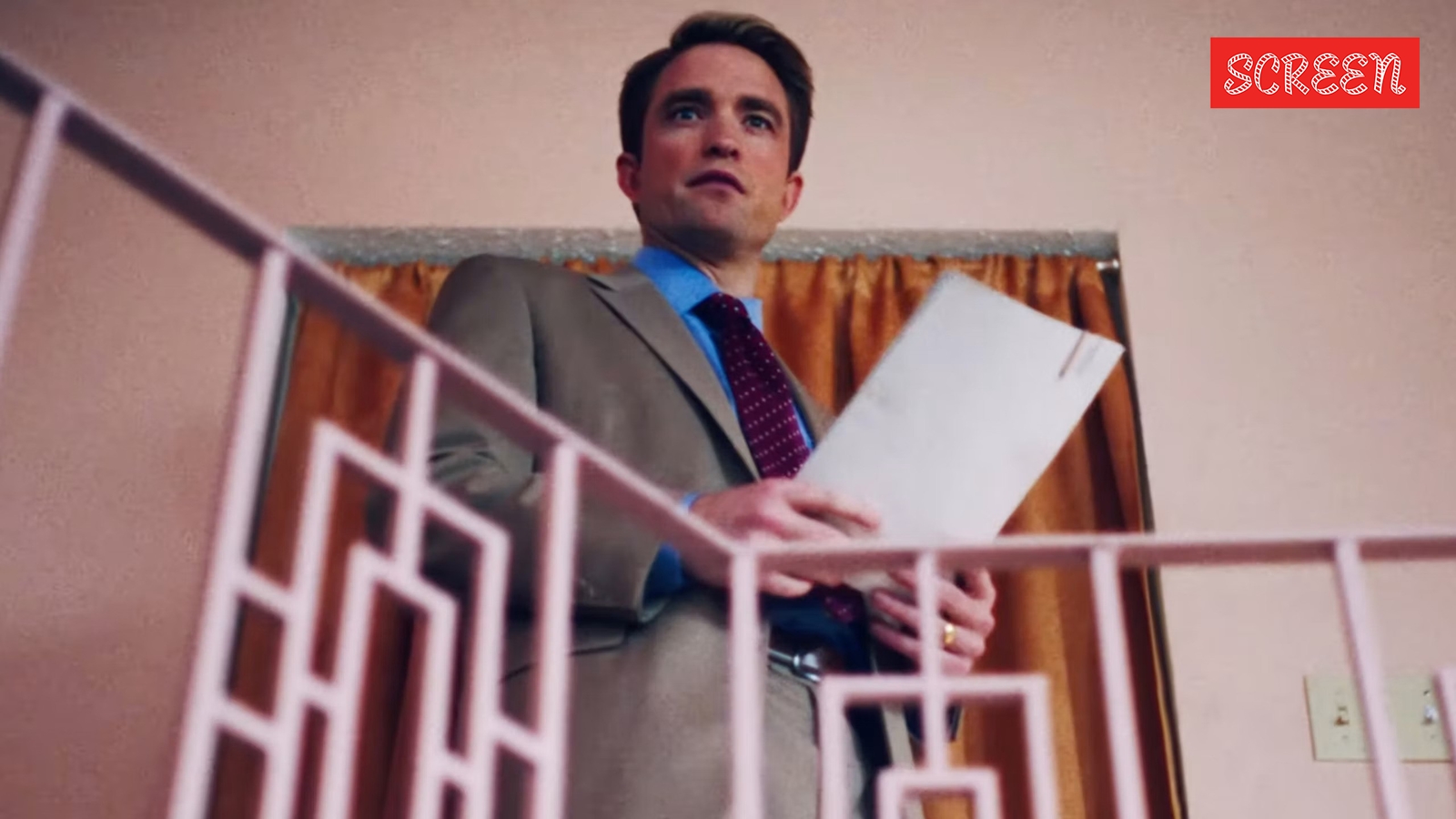
It is this man, Chris Hansen, who is the inspiration behind Robert Pattinson’s latest film, Primetime.
Primetime, directed by Lance Oppenheim, focuses on a particular chapter of Hansen’s life – the part where he has made it to the ‘primetime’ slot on one of the nation’s most popular TV networks. He has the chance to beat Lost’s ratings, one of the biggest shows of that era. His personal life is falling apart but his ratings and his audience don’t care about that. Chris’ pitch, that might have sounded meaningful at some point, is not discussed here, for there is no discussion to be had about the subject that everyone must already agree on – there is no crime worse than sexually abusing a child.
ALSO READ | Michael Jackson The Verdict: A reality check for fans after $850-mn biopic whitewash
 Robert Pattinson plays Chris Hansen in Primetime.
The subjects of Chris’ show are heinous, and must be caught, punished, named and shamed. But how?
This is where Primetime enters tricky territory. As to how Chris Hansen, who once took responsibility for doing something noble, deals with the aftermath or the possible follow-up that comes with catching a child predator.
Story continues below this ad
For someone who grew up in India, and didn’t know much about Chris Hansen beyond the few pop culture references and memes, Primetime can be best viewed as a companion piece to David Osit’s 2025 documentary Predators. The 2025 documentary captures the pop culture effect of Hansen’s show in the mid-2000s when the likes of Oprah Winfrey and Jon Stewart were praising his work. The idea that child predators were hunting for their prey on the internet and could lure anyone was terrifying. Back in the early days of the internet, the concept was almost unheard of. So many celebrities, and even law enforcement officers, didn’t shy away from saying that Chris was doing ‘God’s work’. But calling someone God and putting them on a pedestal is, well, slippery territory.
Chris became the self-proclaimed crusader of catching predators but because his program was designed for television, and not for real-life victims demanding justice, many of these predators carried on with their lives with no actual consequences as the cases were not strong enough to get prosecuted. Law enforcement officers started taking orders from Chris and his crew rather than doing their actual job, which ultimately did not help victims/probable victims. There was no conversation about mental health on this show so no one ever got to know if these predators, their families or their victims (if there were any) ever got the help they needed. Osit’s documentary tells us that they never did.
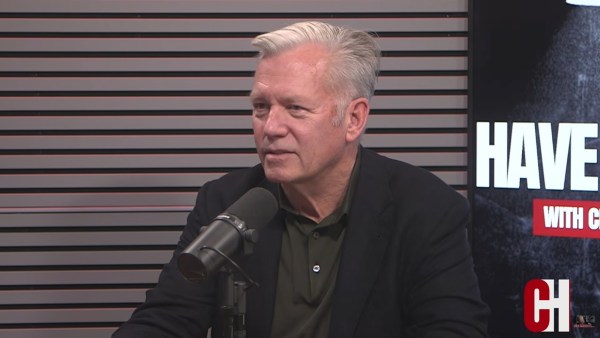 Chris Hansen has continued to film different versions of his show despite getting cancelled on broadcast TV. (Photo: Chris Hansen/YouTube)
Hansen’s show got cancelled after a man shot himself when law enforcement officers surrounded him during one of the sting operations, which prompted many to ask the question: he was a heinous man, but should Chris Hansen have the power to facilitate someone’s death? Is it fair for a reality show to act like the judiciary and pronounce someone’s sentence even without a trial?
The world isn’t as binary as it might seem to some and it was this nuance that was missing in Chris Hansen’s shows.
Story continues below this ad
Despite the show’s cancellation, Hansen continued his career on various other platforms and encouraged several other copycats. Years later, when Hansen supposedly ‘caught’ an 18-year-old ‘predator’ talking to a 15-year-old, similar questions came up as the 18-year-old believed his life was effectively over for he had flirted with a junior and Hansen had treated him the same way he treated much older men talking to teenagers. Even years later, he lives in seclusion for Hansen’s show damaged his reputation beyond repair.
ALSO READ | Backrooms: The malfunctioning mind palace where the hype is greater than the film
No one knows if Hansen’s idea to name and shame child predators came to life because he wanted to do something noble, or if he felt like this was a great concept for a TV show. Nevertheless, it got him good karma points, and an idea where he could come across as a saviour. Lance Oppenheim, too, does not call him a villain. He turns the camera towards Hansen at a time in his life when he cares more about his show than anything else. He pushes the boundary to a level where the variables are beyond him, and he can’t possibly control who shows up on camera. Hansen’s show led to a man killing himself, and if the situation was pushed a little further, the man could have pointed the gun at any number of individuals around him, and this was a bet that Hansen and his team were willing to make – just for their ratings.
Hansen, of course, isn’t the biggest villain. That title stays with the pedophiles. But, he is no hero either. Hansen, at best, is an irresponsible man with a god complex who believes he is the main character in every frame he walks into.
Story continues below this ad
DISCLAIMER: This article touches on themes of psychological struggle, suicidal ideation, and the tragic loss of life connected to public humiliation and television sting operations, but it serves as an film review/editorial commentary. The views expressed in this commentary are for informational and editorial purposes, reflecting on media ethics and psychological impacts portrayed in film and documentary media, and do not constitute legal or mental health advice.
KioskNews shows a cleaned-up reading view extracted from the publisher’s page — the original always lives on their site, not ours.