Drone Hits Cooling Tower At Russia's Nuclear Plant, Says UN Nuclear Watchdog
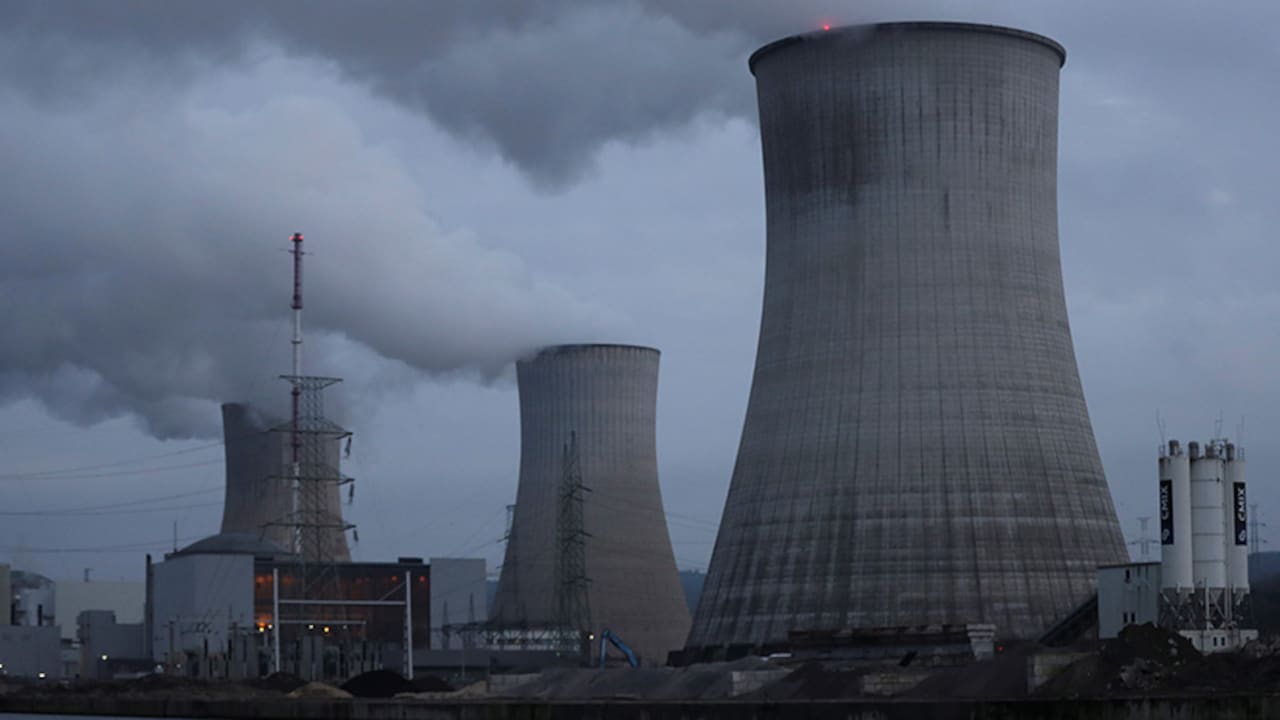
A drone hit the cooling tower of Russia's Kursk nuclear power plant, near the border with Ukraine, but caused no fire, the UN nuclear watchdog said on Friday, calling for "maximum military restraint to prevent the risk of a nuclear accident".
The International Atomic Energy Agency (IAEA) "has been informed that the cooling tower of a reactor unit of the Kursk Nuclear Power Plant in the Russian Federation was hit by a drone early on Thursday".
"It was reported that the unit was operating at the time, but its operating mode did not change and there was no fire," the IAEA said on X.
The IAEA has repeatedly warned of the dangers of fighting around nuclear plants following Russia launching its military offensive on Ukraine in February 2022.
The plant is near the Russia-Ukraine border and sits to the west of Kursk city, the region's capital with a population of around 440,000.
"All attacks on nuclear facilities are unacceptable as they could endanger nuclear safety and security, irrespective of where they occur," the IAEA said in its X post on Friday.
IAEA head Rafael Grossi "also reiterates call for maximum military restraint to prevent the risk of a nuclear accident," it added.
(Except for the headline, this story has not been edited by NDTV staff and is published from a syndicated feed.)
KioskNews shows a cleaned-up reading view extracted from the publisher’s page — the original always lives on their site, not ours.