Don’t subject Hong Kong’s private sports clubs to dubious lease changes
The Hong Kong government has set forth on a course of action which seems destined to upset large swathes of the middle class, including senior personnel from finance, business, technology and academia. These are the very people whose presence here underpins our professed economic development strategy.
I am referring, of course, to the discussions now reaching a climax on the terms for extending the leases of private recreation clubs. The government has set the end of this year as the deadline for finalising arrangements.
The subject of setting a fair price for use of the land on which the clubs sit, and arranging a reasonable degree of public access to them, has been controversial for as long as I can remember. It last flared up in 2018 when some populist legislators complained about the privileges enjoyed by a small number of wealthy people.
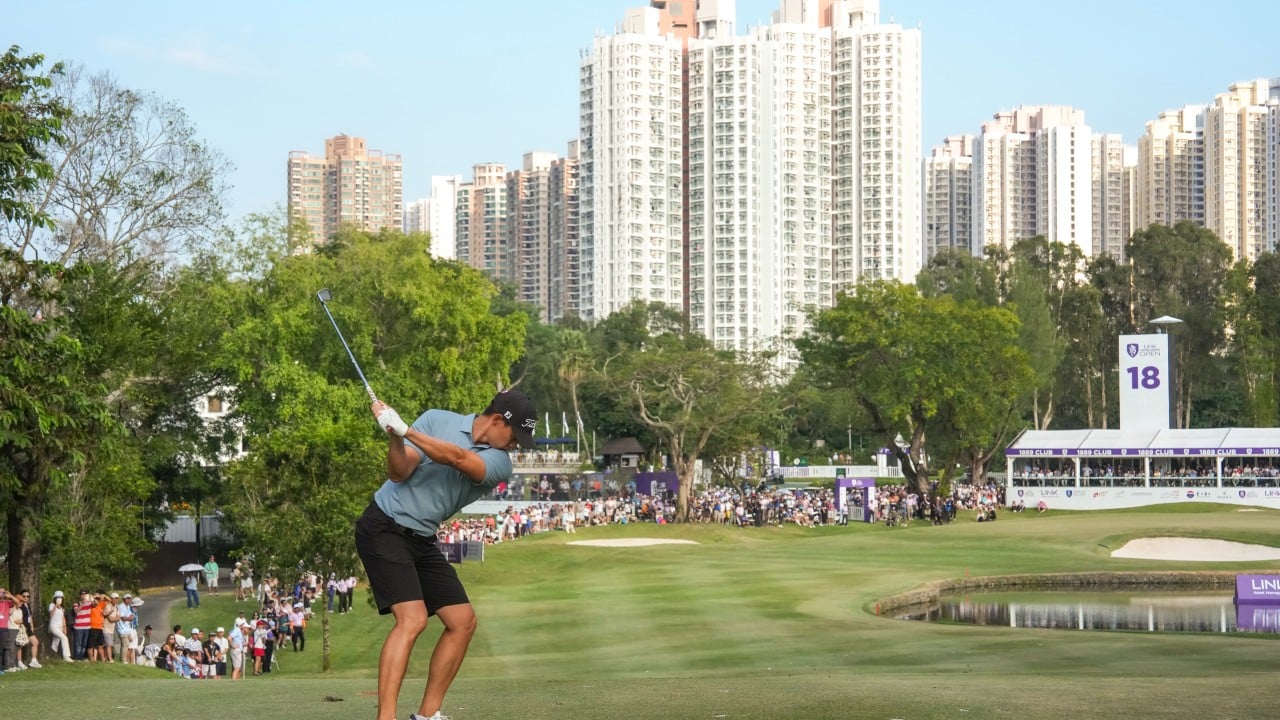
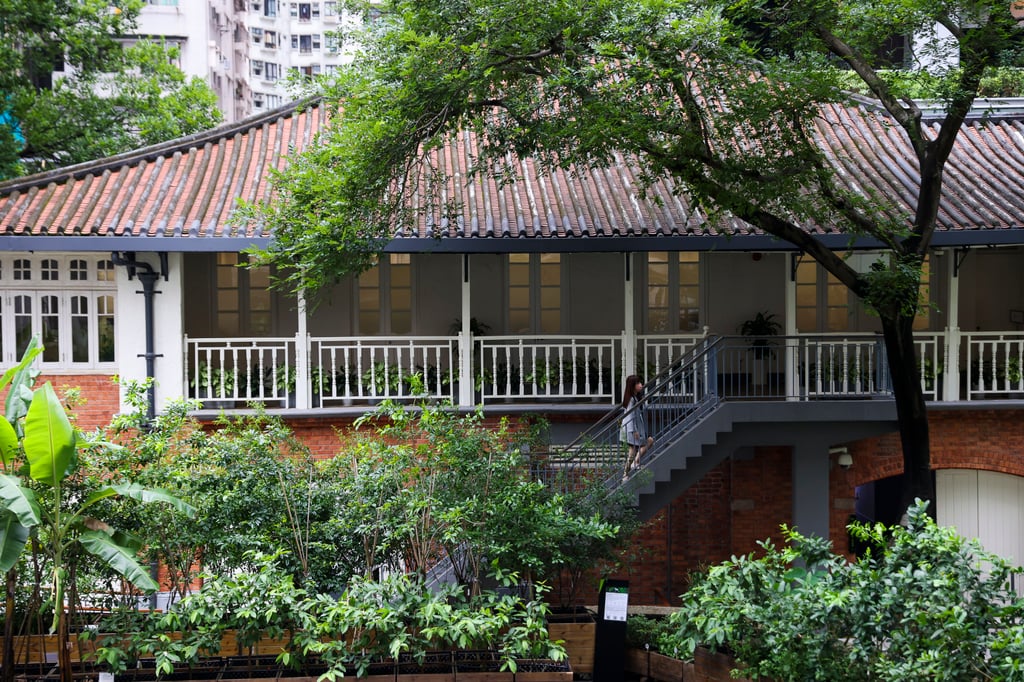
In June, the authorities said that when the leases of the 15 clubs expired, they would be obliged to pay one-third of the land premium and open their facilities more generously to the public. As an alternative, the clubs could convert into community organisations, fully open to the public and pay only a nominal land premium.
Giving non-members access to the clubs for a given number of hours per month is already required in their present leases. Increasing the number should be manageable provided the requirement is reasonable.
But the imposition of a “one-third” land premium is meaningless. For reasons recently set out by experienced Hong Kong town planner Ian Brownlee, all sites must be valued at a price which takes into account their permitted uses under town plans and other restrictions.
By his calculation, the “full market value” of land zoned for recreational use is zero. It follows that one third of zero is also zero, just as three times zero would also be nothing. As a former head of a Lands policy unit in the government secretariat, I am happy to confirm Brownlee’s interpretation and his conclusion.
The government has informed the clubs involved of the land premiums being sought, and a government source has said the premium could reach up to hundreds of millions of dollars. But it has not provided detailed calculations to support these “valuations”.
Rather it seems to be relying on its status as the landlord, free to offer the land for use on whatever terms it thinks fit. That is certainly politically convenient but professionally dubious.
Another aspect of the clubs’ operation is relevant and must be taken into account. They were built on land unused at the time with funds raised from members. They are operated and maintained at the same people’s expense. The fees are high and regularly reviewed.
The joining fee for individual new Football Club members, for example, is HK$700,000 (US$89,280) and there is a monthly charge of more than HK$2,000. Other clubs (such as the Jockey Club) have higher fees. The former is necessary to maintain the premises and sports equipment, and provide replacement when necessary. The latter covers the running costs such as management and cleaning staff plus utilities. It is these fees that enable non-members to use the premises free during permitted hours.
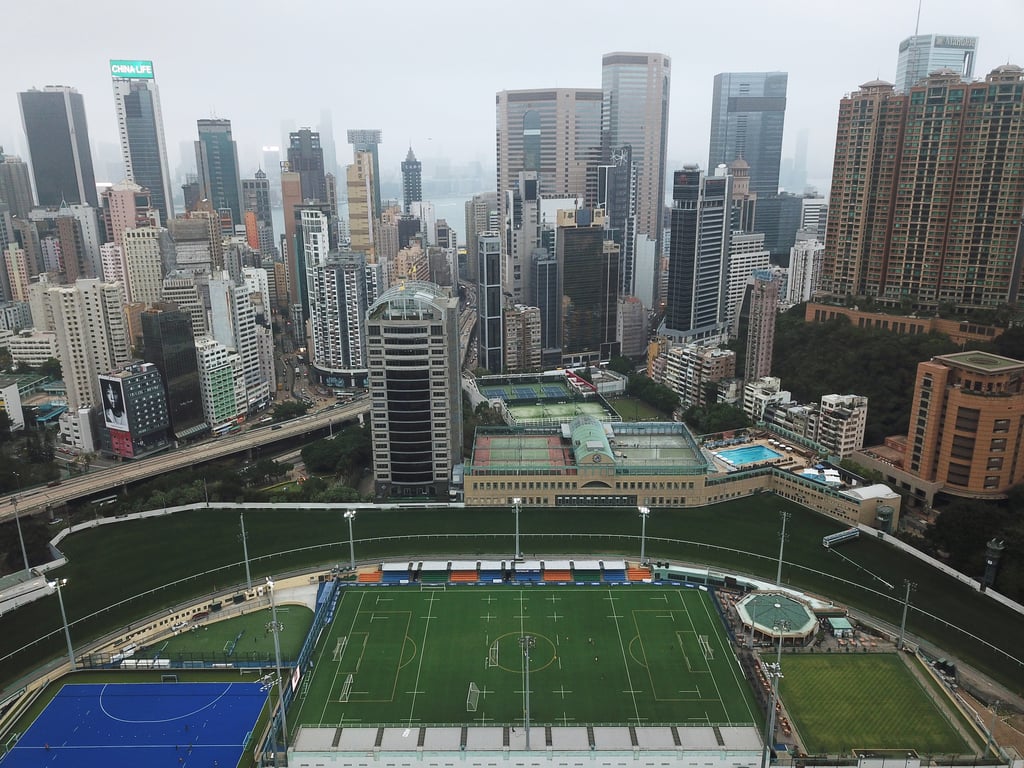
It is not clear how the government expects clubs to respond to the options it offers. The first is in effect an opportunity to pay again for the facilities their members have already paid for, and then only retain them for 15 years. The second is an invitation to simply surrender their assets.
The clubs would then be no different from Leisure and Cultural Services Department facilities.
My concern from a macroeconomic perspective is the negative effect on the attractiveness of Hong Kong as a place for people of the necessary calibre to live, work and do business in.
We have a five-year plan which requires us to proactively reach out around the world and lure world-class companies and individuals to choose us over our competitors.
Such organisations and people will have a range of concerns like accommodation and school places for children in addition to the obvious ones of salary and taxation. Availability and access to high-class recreation facilities is part of the soft infrastructure that we ignore at our peril.
03:47
Hong Kong’s first five-year plan enhances competitiveness, foreign business opportunities
I think the best way of securing value for the community as compensation for the clubs’ occupation of land is to require free access for national sports associations, schools and other organisations for a reasonable amount of time per month. In other words, to carry on with what we have been doing.
If instead the government insists on pursuing the land premium option, it must set out in writing the detailed calculations of the sums for scrutiny by the clubs, their members and the general public. It might also explain why civil servants’ recreation clubs, which have unlimited tenure and pay zero premiums, should not also have a public access requirement.
Given the significance of what is involved, a delay of six to 12 months for further reflection might be a good idea.
The author has been a member of Hong Kong Football Club since 1980
KioskNews shows a cleaned-up reading view extracted from the publisher’s page — the original always lives on their site, not ours.