China’s shipyards overtake South Korea’s in LNG carrier market as demand surges
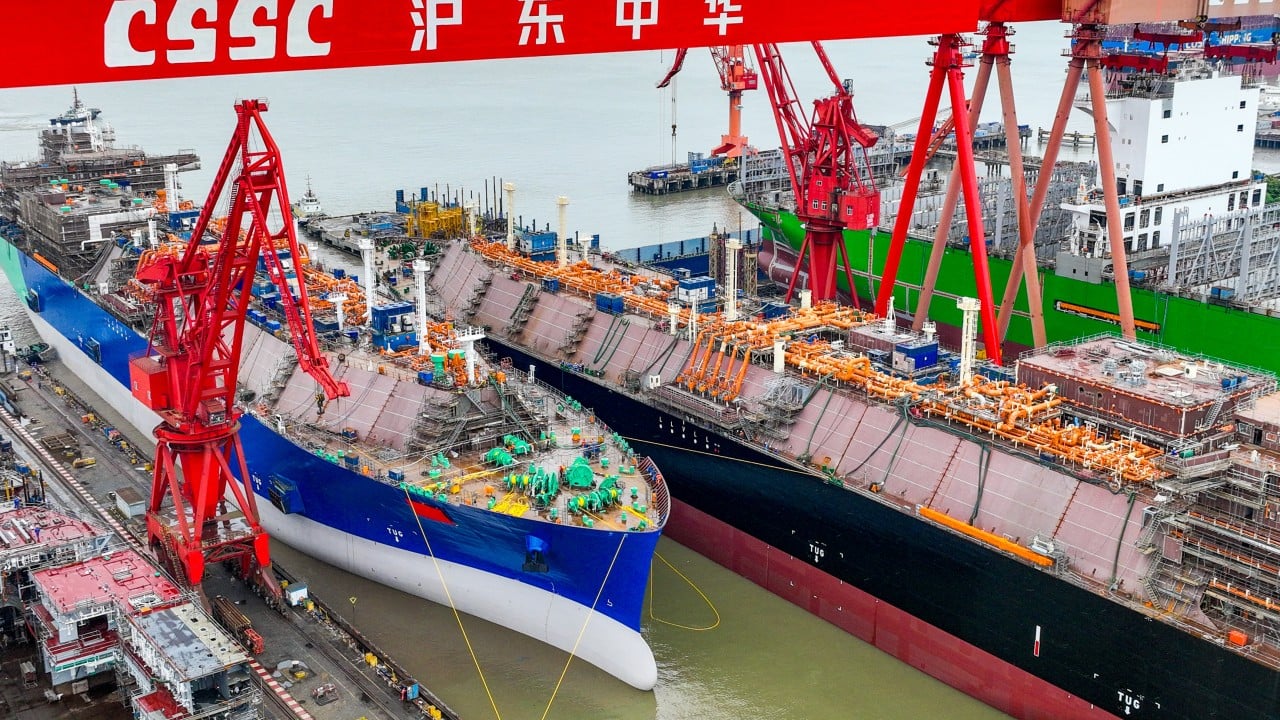
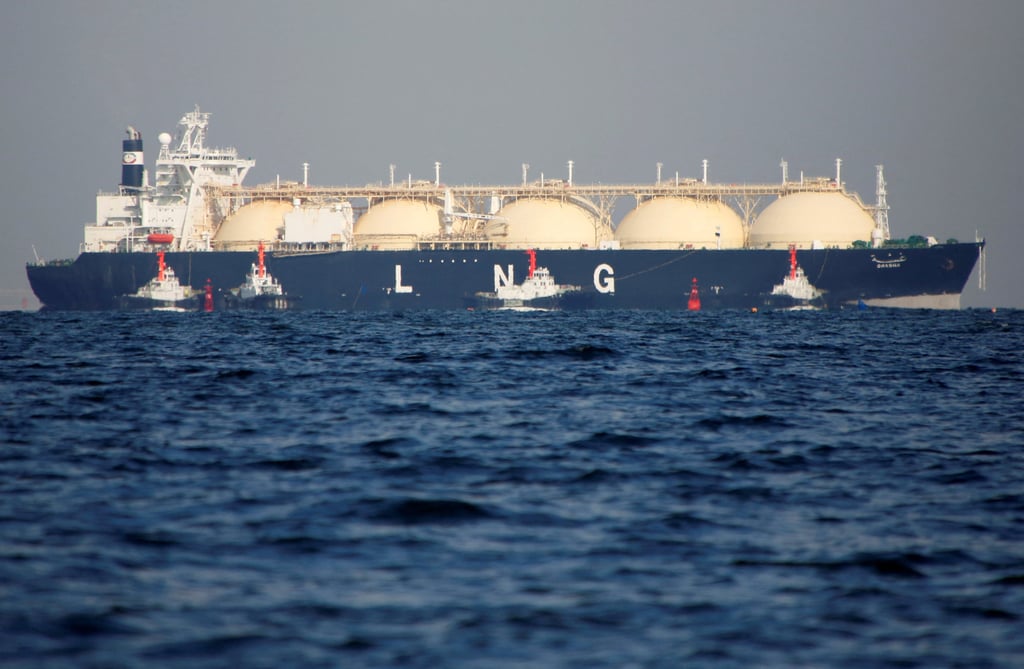
China has overtaken South Korea in monthly orders for liquefied natural gas (LNG) carriers for the first time, challenging its rival’s long-standing dominance in a high-value shipbuilding segment where demand is surging.
The country secured five of the seven large LNG carrier orders placed worldwide in October, compared with just two won by South Korean shipbuilders, according to the latest data from British shipping consultancy Clarksons Research.
In the first 10 months of this year, Chinese shipyards secured 32 of the 76 large LNG carrier orders placed globally, while South Korean builders won 44.
Global orders for new LNG carriers more than quadrupled from the same period last year, when just 17 vessels were ordered. China’s 32 orders represented a more than tenfold increase from its three orders in the whole of 2025, according to the report released on Sunday.
The gains come as Beijing strengthens support for the strategically important shipbuilding industry, with Chinese yards leveraging strong domestic LNG demand to expand production capacity and narrow the technological gap with their South Korean rivals.
South Korean shipbuilders have enjoyed a long-standing edge in the high-value segment, which requires advanced containment, insulation and safety systems to maintain the gas at around minus 163 degrees Celsius.
Chinese shipbuilders, however, have been steadily building up their expertise in vessel construction and quality control through expanded production capacity and partnerships with shipping companies such as Japan’s Nippon Yusen Kaisha.
China’s LNG carrier orders are concentrated mainly at Hudong-Zhonghua Shipbuilding and Jiangnan Shipyard.
Hudong-Zhonghua signed a contract with Malaysian shipping company MISC on October 16 to build five LNG carriers, each with a capacity of 174,000 cubic metres. The Shanghai-based shipbuilder opened a new facility on Changxing Island last year, which is expected to raise its annual LNG carrier capacity from about six vessels to more than 10 when fully operational.
Jiangnan Shipyard has also secured a series of overseas orders: two 175,000-cubic-metre LNG carriers from Singapore-based Eastern Pacific Shipping in January, followed by an order for four vessels from Adnoc Logistics & Services, the shipping arm of Abu Dhabi National Oil Company.
China’s rapid advances in the sector have heightened concerns among South Korean shipowners.
HD Korea Shipbuilding & Offshore Engineering, one of South Korea’s leading shipbuilding groups, identified Hudong-Zhonghua and Jiangnan Shipyard as competitors in the LNG carrier market during its recent third-quarter earnings call.
The company attributed Chinese shipbuilders’ growing order books to lower prices, as Chinese energy companies and shipowners increasingly turn to local yards.
Ralph Leszczynski, head of research at Italian shipbroker Banchero Costa, told maritime publication Riviera Maritime Media in July that China’s rapid gains were partly driven by capacity constraints at South Korean yards, which had little room to expand and were already burdened with orders for tankers, car carriers and container ships.
Meanwhile, Chinese shipyards were expanding capacity and offering comparable construction quality at more competitive prices, Leszczynski said.
Another factor was growing orders from Chinese shipowners for vessels built at domestic yards, which accounted for at least a quarter of Chinese shipyards’ LNG carrier orders, he added.
KioskNews shows a cleaned-up reading view extracted from the publisher’s page — the original always lives on their site, not ours.