Which savings account should I choose for putting £50, £100 or £200 away each month?
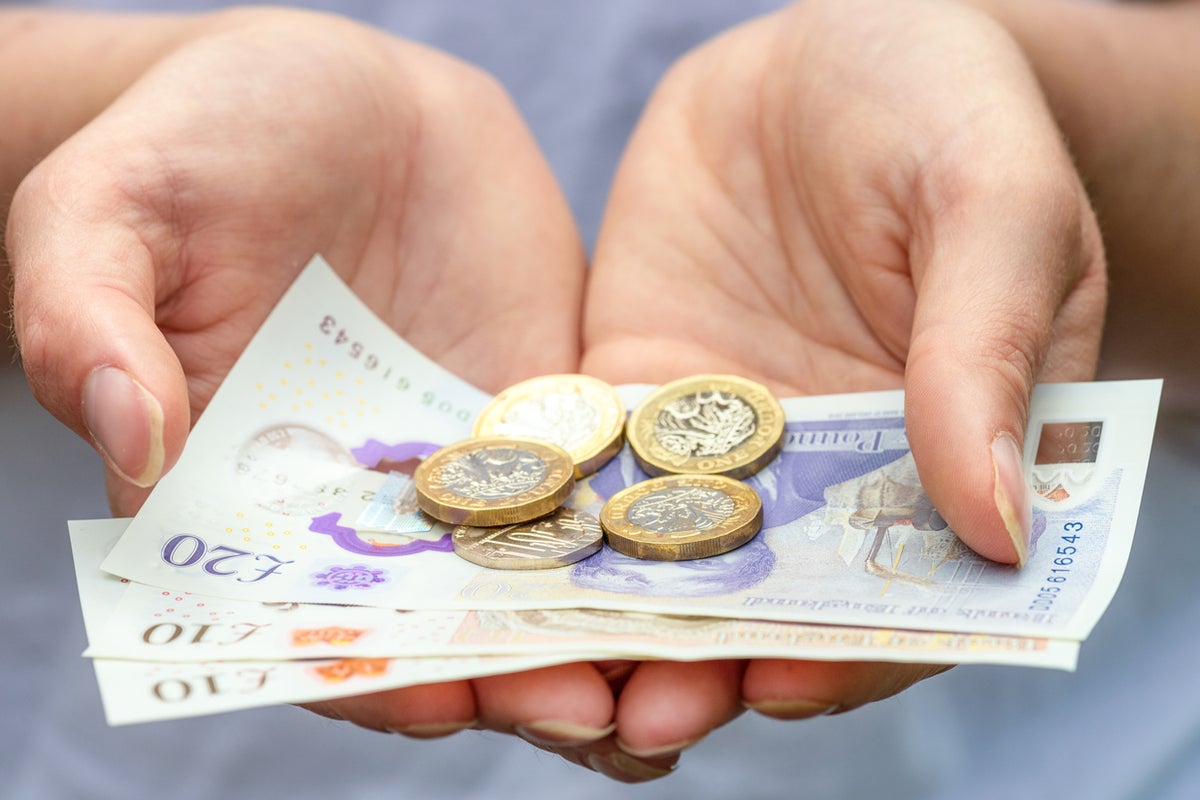
Putting aside £100 a month could leave you with around £1,252 after a year. Double the monthly saving and the pot could reach £2,504, including more than £100 in interest.
With UK Savings Week running from 21 to 27 September, those figures show what starting small can achieve.
But choosing where to put the money means looking beyond the biggest advertised rate.
Regular savers can pay 8 per cent, while competitive easy-access accounts offer around 5 per cent AER. The right choice depends on how reliably you can save and whether you might need the cash for any expenses.
You can also lock your existing funds away to earn interest - but here we’re focusing on what to choose if you want to save new cash.
What could £50, £100 or £200 a month earn?
Saving even £50 a month could build a pot of more than £600 in a year.
In the below table, calculations from Moneyfactscompare.co.uk show what different monthly contributions could earn. In this example, the easy-access example pays 4.89 per cent gross - that’s equivalent to 5 per cent AER when interest is kept in the account, which is what the top-paying easy access accounts offer right now.
Monthly saving amount | Total paid in | Easy access interest: 4.89% | Regular saver interest: 8% |
|---|---|---|---|
£50 | £600 | £16 | £26 |
£100 | £1,200 | £32 | £52 |
£200 | £2,400 | £64 | £104 |
These interest figures are before tax, and assume deposits are made near the start of each month, with no withdrawals and no changed interest rates.
For someone saving £100 a month, the higher rate adds about £20 over the year. That’s worth having, but it gives you a useful figure against which to weigh any restrictions.
The larger achievement not to be overlooked, regardless of which account you choose, is the £600, £1,200 or £2,400 you have put aside.
Why don’t I get a full 8% interest in a regular saver?

Get a free fractional share worth up to £100.
Capital at risk.
Terms and conditions apply.
Go to websiteADVERTISEMENT
Get a free fractional share worth up to £100.
Capital at risk.
Terms and conditions apply.
Go to websiteADVERTISEMENT
An 8 per cent rate might suggest that saving £2,400 will earn £192 in a year - but that would require the whole £2,400 to be in the account for the full year.
With monthly saving, the first payment earns interest for roughly 12 months, the second for 11 months and the last for about one month. The same principle applies when building an easy-access balance through monthly deposits.
Alice Haine, head of personal finance at Hargreaves Lansdown, explains: “Instead, interest is calculated on the balance as it builds, so the amount you earn grows with each monthly contribution.”
When comparing accounts, use the annual equivalent rate, or AER. This includes the effect of interest earning further interest, helping you compare deals that pay out at different intervals.
When a regular saver makes sense
A regular saver can suit someone with a predictable amount each month and a goal they can work towards over a year.
“Regular saver accounts can work well for people looking to build a savings habit or put money aside for a short-term goal, as they often pay some of the most competitive rates on the market,” says Haine.
Check the minimum and maximum monthly payments, whether you need a linked current account and what happens if you miss a contribution. Withdrawal rules also vary.
A high rate does not automatically mean your money is locked away. The 8 per cent deal used for this comparison allows withdrawals and has no minimum monthly contribution, although deposits are capped at £200 a month and a linked current account is required.
Check whether the rate is fixed or variable, too. The 8 per cent example is variable and includes a bonus lasting 12 months, so the projected interest is not guaranteed - others do offer a fixed rate, but might not allow withdrawals. Choose the one which suits your needs most.
When easy access is worth more
If your income fluctuates or an unexpected bill could force you to dip into savings, flexibility may matter more than the extra interest, to avoid taking on debt.
.jpeg)
“A slightly lower rate may be a price worth paying for the freedom to withdraw funds or vary contributions without penalty,” says Haine.
Check the terms here as well. Some easy-access deals limit withdrawals, include temporary bonuses or pay their best rate only up to a certain balance.
You can also split your money: keep cash for unexpected bills in an accessible account and use a regular saver for a separate goal, or to boost savings totals over the long term.
If you already have a lump sum, Ms Haine suggests keeping it in a competitive easy-access account and drip-feeding money into a regular saver within its monthly limit. The cash waiting to move can then continue earning interest.
Make the monthly payment manageable
Start with an amount your budget can sustain and arrange a transfer right after payday. Review it if your bills or income change (up as well as down!) and remember even small amounts build up over time.
Rachel Springall, finance expert at Moneyfactscompare.co.uk, says: “Budgeting is a must to set aside money for everyday costs, future goals, and a safety net, but it is also important to make room for spending money on things that improve overall wellbeing, like hobbies or a holiday.”
Finally, set a reminder for any bonus expiry or account maturity date.
Building the habit gets money into savings; checking the rate helps keep it working once it is there.
When investing, your capital is at risk and you may get back less than invested. Past performance doesn’t guarantee future results.
KioskNews shows a cleaned-up reading view extracted from the publisher’s page — the original always lives on their site, not ours.