Aloe found in ancient Egyptian mummy skull for the first time
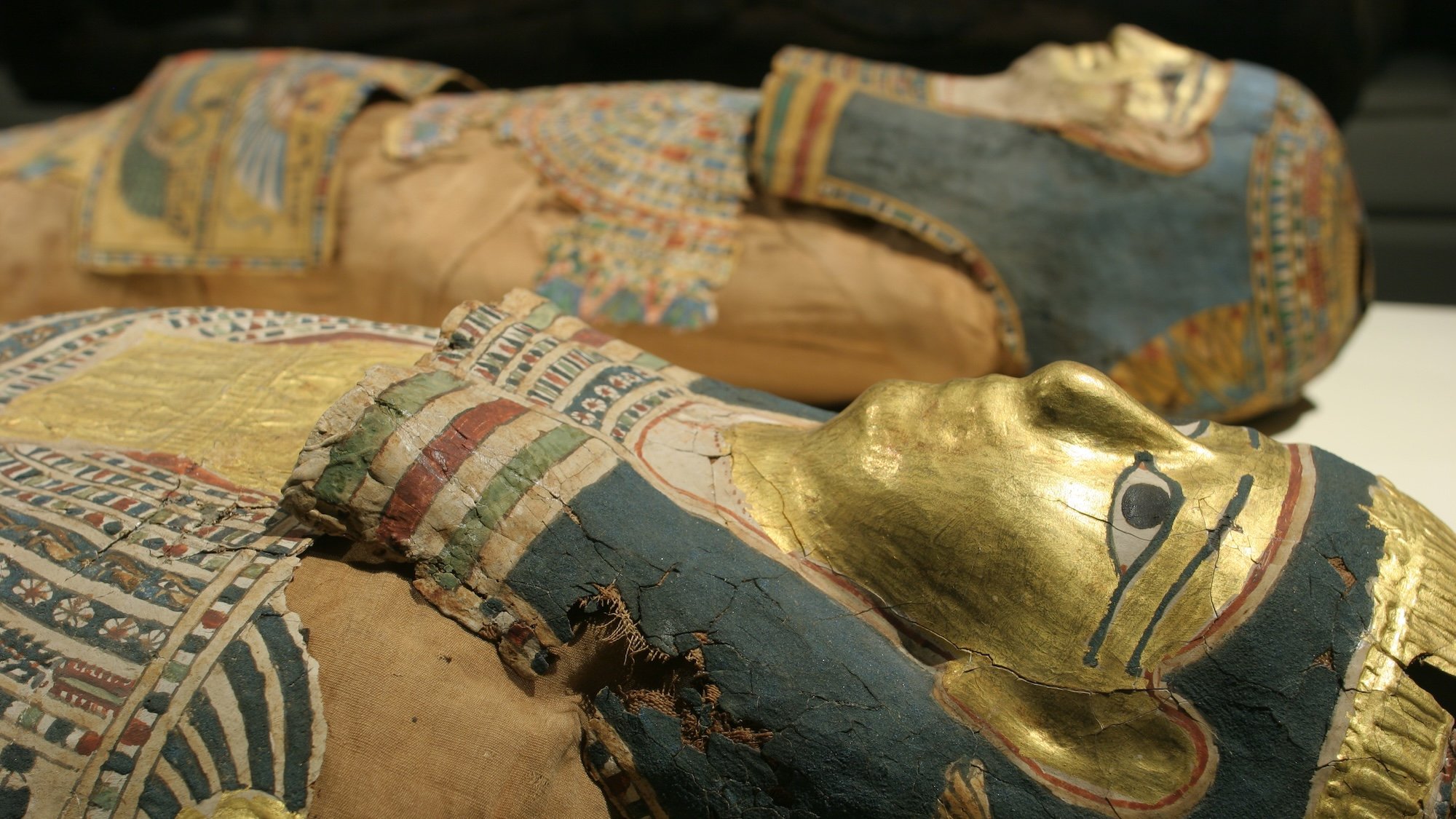
Archaeologists have identified a previously undocumented ingredient used in ancient Egyptian mummifications—and a famous medieval medicine concocted from the mummies themselves. At Germany’s Marburg University, researchers pinpointed traces of aloe-associated plant material in a 2,700-year-old mummy skull, and a popular centuries’ old apothecary cure-all known as Mumia vera aegyptiaca.
There is no one way to make a mummy. Mummification methods have varied across the world for thousands of years, even within a single culture. Ancient Egyptians honed their own processes over generations, and archaeologists are still sifting through millennia’s worth of artifacts and texts to better understand the iconic postmortem procedures.
Egyptology first truly took off in Europe during the late 18th century, but people’s fascination with mummies goes much further back in time. However, the long and complex medicinal history of mummy-derived treatments collectively called Mumia likely began as a 12th century mistranslation. Persian pharmacists often used a black pitch called mumiya in wound care, which medieval translators of Latin later mistook for similarly dark materials used in Egyptian mummification. This eventually led to an entire trade network centered on the import of powdered mummy remains sold by apothecaries as a Mumia cure-all—and sometimes even an aphrodisiac—for centuries.
Archaeologists have already documented many mummification ingredients derived from various minerals, animals, and plants. These span a range of coniferous tars and reins, oils, fats, beeswax, and bitumen, as well as rarer regional plant distillations like dammar and elemi. Knowing there is still much more to learn, the team at Marburg University recently analyzed 24 historically related objects stored at various institutions. These included an Egyptian mummified skull dated to the 8th century BCE, as well as an 18th century historical preparation of Mumia housed at Heidelberg Pharmacy Museum.
Their findings were recently published in the journal Proceedings of the National Academy of Sciences, and offer the first molecular evidence of mummy-related materials directly derived from aloe. This is particularly important, since “aloe” often historically referred to a variety of plants like agarwood outside the Aloe genus. According to Tanja Pommerening, a study co-author and director of Marburg University’s Institute for the History of Pharmacy and Medicine, the detection of aloe in Mumia is also particularly significant. Prior to this study, many researchers assumed medieval authors drew their Mumia recipes from biblical passages. These include John 19:39, which references a “mixture of myrrh and aloes.”
“The new findings suggest that this association may have deeper historical roots,” explained Pommerening.
However, since only two of the 24 artifacts in the study yielded traces of aloe, the frequency of the plant’s use in mummification and Mumia remains unclear. It’s possible that preparers may have only incorporated the material during certain historical periods, or depending on its availability. Still, Pommerening and her colleagues plan to continue similar examinations of other historical objects.
“Our goal is not only to analyze the chemical composition of ancient medicines and embalming materials, but also to gain a deeper understanding of their production, use, historical transmission, and cultural context,” added study co-author and Marburg University biologist Raphael Reher.
KioskNews shows a cleaned-up reading view extracted from the publisher’s page — the original always lives on their site, not ours.