Settler leader says municipality’s foreign currency accounts frozen due to UK sanctions
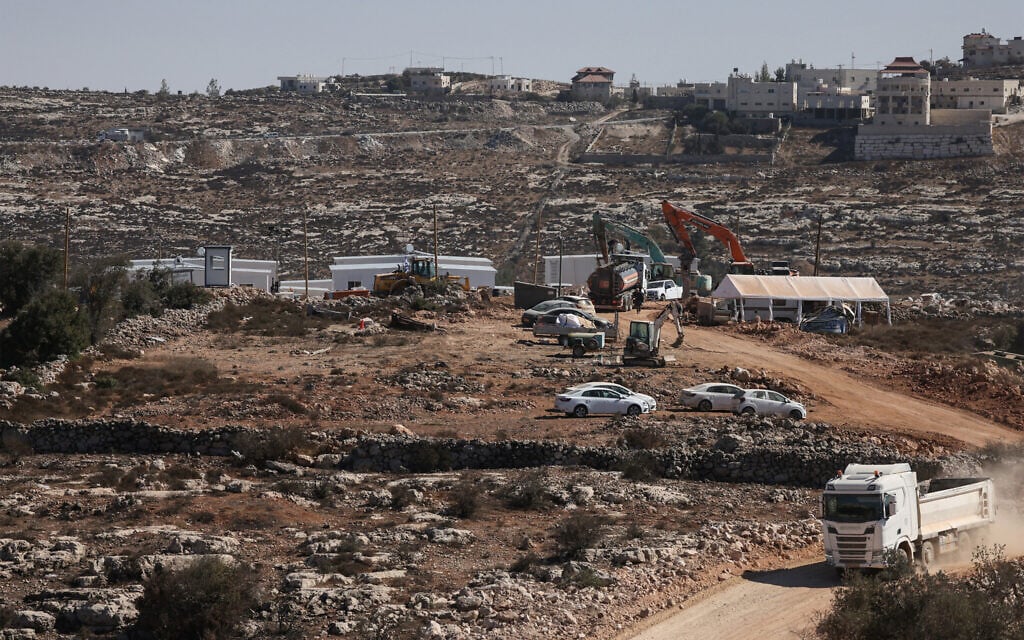
A senior settler leader said on Thursday that two Israeli banks had frozen his municipality’s foreign currency accounts due to recently announced British sanctions on settlements and companies that work with them.
“Today we received calls from two banks informing us that sanctions have been imposed on us,” Har Hebron Regional Council chairman Eliram Azulay told the Knesset TV channel.
“We haven’t received any official notification, but [the UK sanctions announcement] is already having an impact,” said the southern West Bank settlement leader.
0:00 / 0:00
Promoted: Jewish Crossroads, Micah Goodman

The British government on Tuesday announced sanctions on eight Israeli construction companies involved in building settlements in the West Bank. Har Hevron Development Company Ltd, which is tied to Azulay’s municipality in the southern West Bank, was among the firms blacklisted.
In September, the UK announced a trade ban and sanctions on settlements, largely in response to the E1 settlement project, which would bisect the West Bank, cutting off territorial contiguity between key Palestinian population centers, including Ramallah, East Jerusalem and Bethlehem.
Get The Times of Israel's Daily Edition by email and never miss our top stories
By signing up, you agree to the terms
The Palestinians and many Western governments say the project would effectively torpedo the possibility of a contiguous Palestinian state in the West Bank.
Azulay told Knesset TV that he was concerned that insurance companies would begin refusing to work with his municipality and that banks would refuse to provide financing due to fear of being exposed to secondary sanctions by the UK.
Azulay also claimed that some of the sanctioned companies have had their Gmail and Microsoft accounts blocked, in addition to losing access to cloud data.
Israeli construction in the West Bank has skyrocketed over the past four years, with Prime Minister Benjamin Netanyahu’s outgoing hardline right-wing government building and approving the construction of an unprecedented number of settlements and settlement housing units in the West Bank. In addition, some 200 illegal settlement outposts and farming outposts have been constructed in the same period.
Settlers establish yeshiva in PA-controlled Area A
On Thursday, the Haaretz daily reported that settlers had illegally established a satellite campus of the Homesh Yeshiva in Area A of the West Bank, which is supposed to be under the control of the Palestinian Authority.
The satellite campus is located, according to the newspaper, on land belonging to the northern West Bank Palestinian village of Yasid, in an area that was earmarked for a new neighborhood.
Area A is supposed to be off-limits to Israelis, but under Netanyahu’s government, settlers have been increasingly allowed to set up new outposts there, as well as in Area B — which is under shared control of Israel and the PA but is also supposed to be inhabited by only Palestinians.
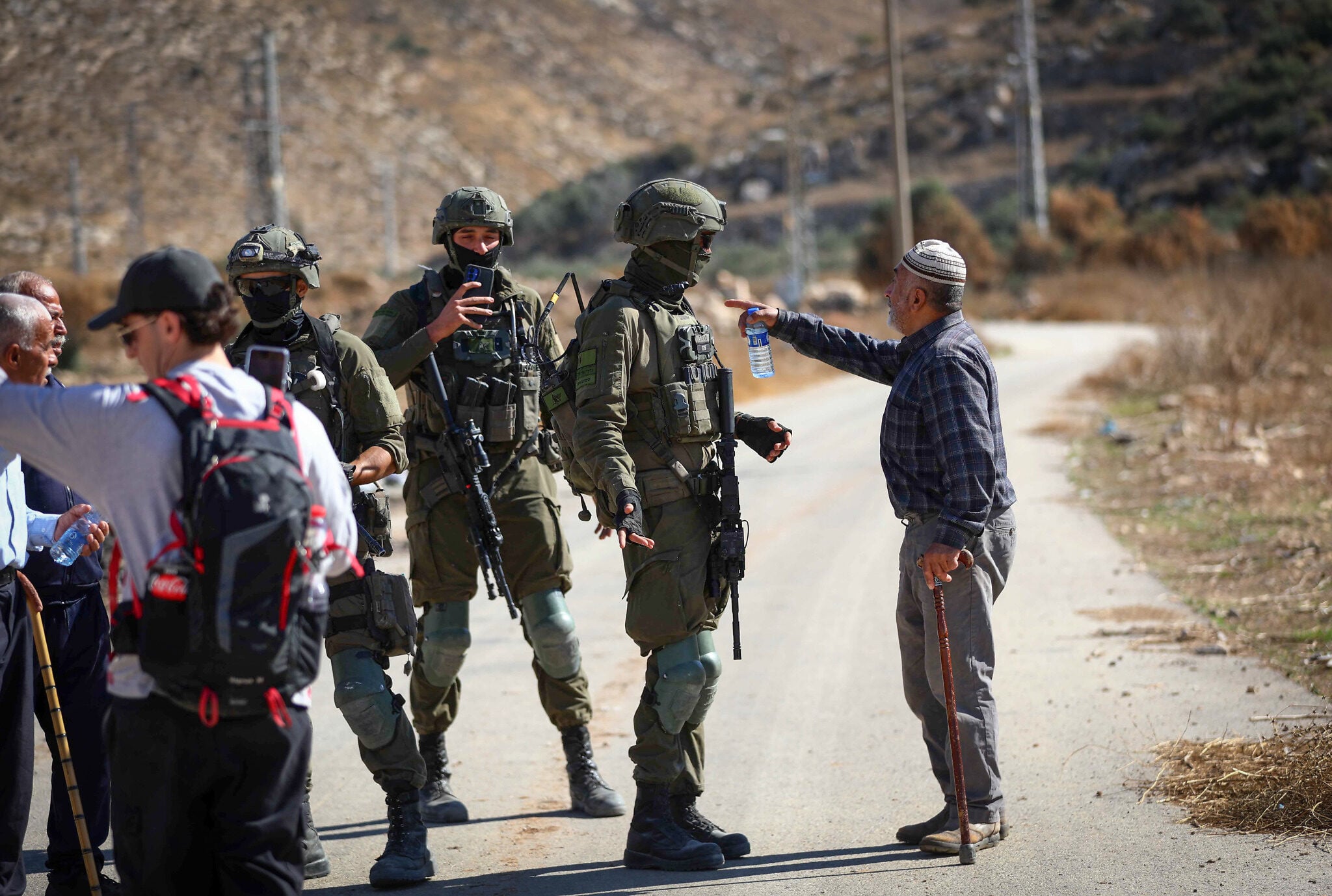
There are currently over 30 such outposts throughout the West Bank, Haaretz said.
The IDF told Haaretz that while entry into Area A is prohibited to Israelis, enforcement of illegal construction is carried out “in accordance with operational situational assessments and directives from the political echelon.”
“These illegal outposts — particularly those located in Areas A and B — divert the IDF’s attention from its defensive and counter-terrorism missions and undermine security in the region. This specific outpost has been evacuated once before. Enforcement efforts throughout Judea and Samaria are ongoing,” the army adds, referring to the West Bank by its biblical name.
Animal lovers, this one's for you

In 1935, Rabbi Max Shorenstein left Denmark to pursue his lifelong dream: building a zoo in Tel Aviv and teaching children to love animals. The Tel Aviv Zoo became one of the city’s greatest attractions, but envy, greed, and corruption drove Shorenstein from the paradise he created.
The film 'There Are No Lions in Tel Aviv' is available to screen November 19-26 for members of our reader support group, The Times of Israel Community. Join the Community today to support our work and watch our DocuNation series of outstanding Israeli documentary films.
I want to watch I want to watch Already a member? Sign in to stop seeing this
KioskNews shows a cleaned-up reading view extracted from the publisher’s page — the original always lives on their site, not ours.