Singapore's top university destroys tumors with magnetic pulses, no chemo needed
Researchers at the National University of Singapore have used brief pulses of a weak magnetic field to eliminate breast tumors in 75% of the mice they tested, without any chemotherapy.
The pulses flipped immune cells that normally shield a tumor into cells that hunt and consume it. Complete clearance took four 30-minute sessions.
The findings were published June 4 in the peer-reviewed journal Smart Medicine and announced by the university on Sept. 14. The study was led by Associate Professor Alfredo Franco-Obregon of the NUS Department of Surgery and its Institute for Health Innovation and Technology, with PhD candidate Viresh Krishnan Sukumar as first author.
The target is a class of white blood cells called tumor-associated macrophages, which are abundant in nearly all solid tumors.
Cancer cells recruit and corrupt them, NUS said in its announcement, converting them from a pro-inflammatory state that destroys threats into an anti-inflammatory state that suppresses immune attacks and helps the tumor grow and spread.
Pulsed electromagnetic fields, or PEMFs, reverse that conversion. Rather than shocking the body, the pulses "act like a biological tuning fork," Franco-Obregon told The Straits Times.
"When they pass through cells, they interact with specialized microscopic gates on the cell surface called TRPC1 channels, which act as biological antennae for weak magnetic fields," he said.
"Opening these gates triggers a small, controlled wave of calcium into the cell that activates the mitochondria, the cell's energy furnace."
Healthy tissue treats that jolt like exercise, he told the newspaper, while cancer cells cannot absorb it.
Breast cancers overexpress TRPC1 to fuel rapid growth and spread, which he said leaves them "uniquely vulnerable to calcium overload and mitochondrial overheating."
The pulses stress the energy systems of cancer cells while sparing healthy tissue nearby, and separately reprogram the corrupted macrophages to consume breast cancer cells instead of protecting them.
An earlier study by the same team, published in the journal Cancers in late 2024, found that a 10-minute exposure halved the doxorubicin concentration needed to kill the same number of cancer cells.
"Rather than projecting an unrealistic leap to 100% eradication, our clinical objective is to maximize efficacy while slashing toxicity," Franco-Obregon told The Straits Times. "We aim to preserve the patient's quality of life and immune health without compromising therapeutic impact."
The results come from cell cultures and animals.
Using magnetic pulses to destroy cancer cells directly or to alter immune cell behavior has so far been demonstrated only in preclinical laboratory models and is not an established treatment in patients, Malay Mail reported.
A first-in-human Phase 1b trial of the same device, registered with ClinicalTrials.gov as PASCAL, tested the pulses alongside anthracycline-based chemotherapy in breast cancer patients at National University Hospital and was completed on Aug. 8, 2025.
"As we have already completed our initial Phase I safety trial in breast cancer patients, we have crossed the first major clinical hurdle," Franco-Obregon told The Straits Times.
 |
|
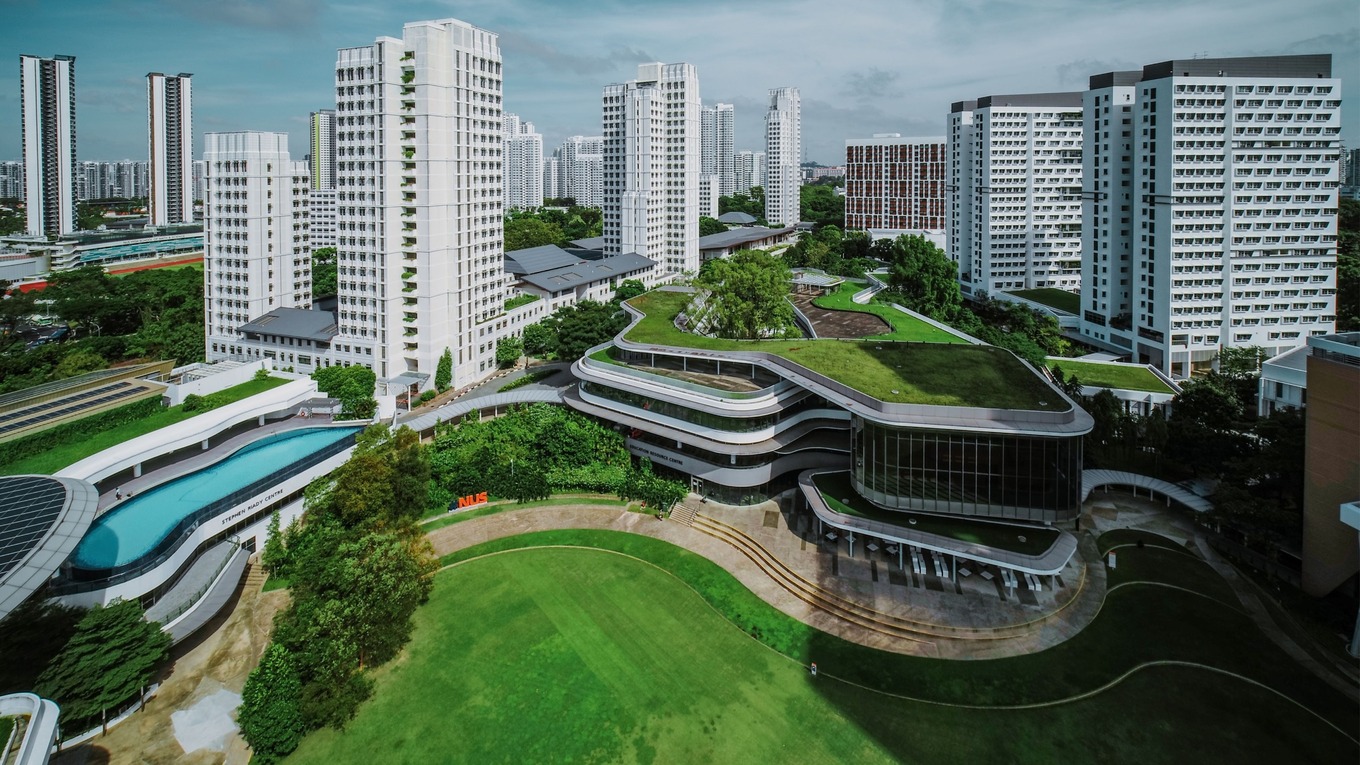
A view of the National University of Singapore. Photo courtesy of THE |
The next stage is not yet funded. NUS said the team is seeking partners for a Phase 2 efficacy trial, which Franco-Obregon said would test how effectively the pulses shrink tumors and boost chemotherapy in a larger group of patients over two to three years.
Larger multi-center trials would follow before regulators such as Singapore's Health Sciences Authority and the U.S. Food and Drug Administration could approve the therapy.
Broad adoption as standard hospital care typically takes several years of validation, he told The Straits Times, though eligible patients may reach the treatment sooner by enrolling in the planned trials.
New breast cancer cases worldwide are projected to rise from 2.3 million in 2023 to more than 3.5 million by 2050, with annual deaths climbing from 764,000 to nearly 1.4 million, according to an analysis by the Global Burden of Disease Study Breast Cancer Collaborators published in The Lancet Oncology in March.
Treatment is complicated by drug resistance, toxic side effects and the genetic and molecular variation within a single tumor.
In Singapore, breast cancer accounts for roughly 30% of all cancers diagnosed in women, and the Singapore Cancer Registry Annual Report 2023 estimates that one in 12 women there will develop the disease in her lifetime.
Franco-Obregon cautioned that PEMF remains an investigational therapy, a non-invasive frontier in precision oncology meant to complement proven medical care rather than replace it.
NUS placed 10th in the QS World University Rankings 2027, released in June, slipping two spots from the previous edition but remaining the only Asian institution in the global top 10.
Nanyang Technological University, also in Singapore, ranked 12th, and the University of Hong Kong 11th.
KioskNews shows a cleaned-up reading view extracted from the publisher’s page — the original always lives on their site, not ours.