World War II shell detonated on British Coast
Breakthroughs, discoveries, and DIY tips sent six days a week.
By signing up, you confirm you are 16+, will receive newsletters and promotional content and agree to our Terms of Use and acknowledge the data practices in our Privacy Policy. You may unsubscribe at any time.
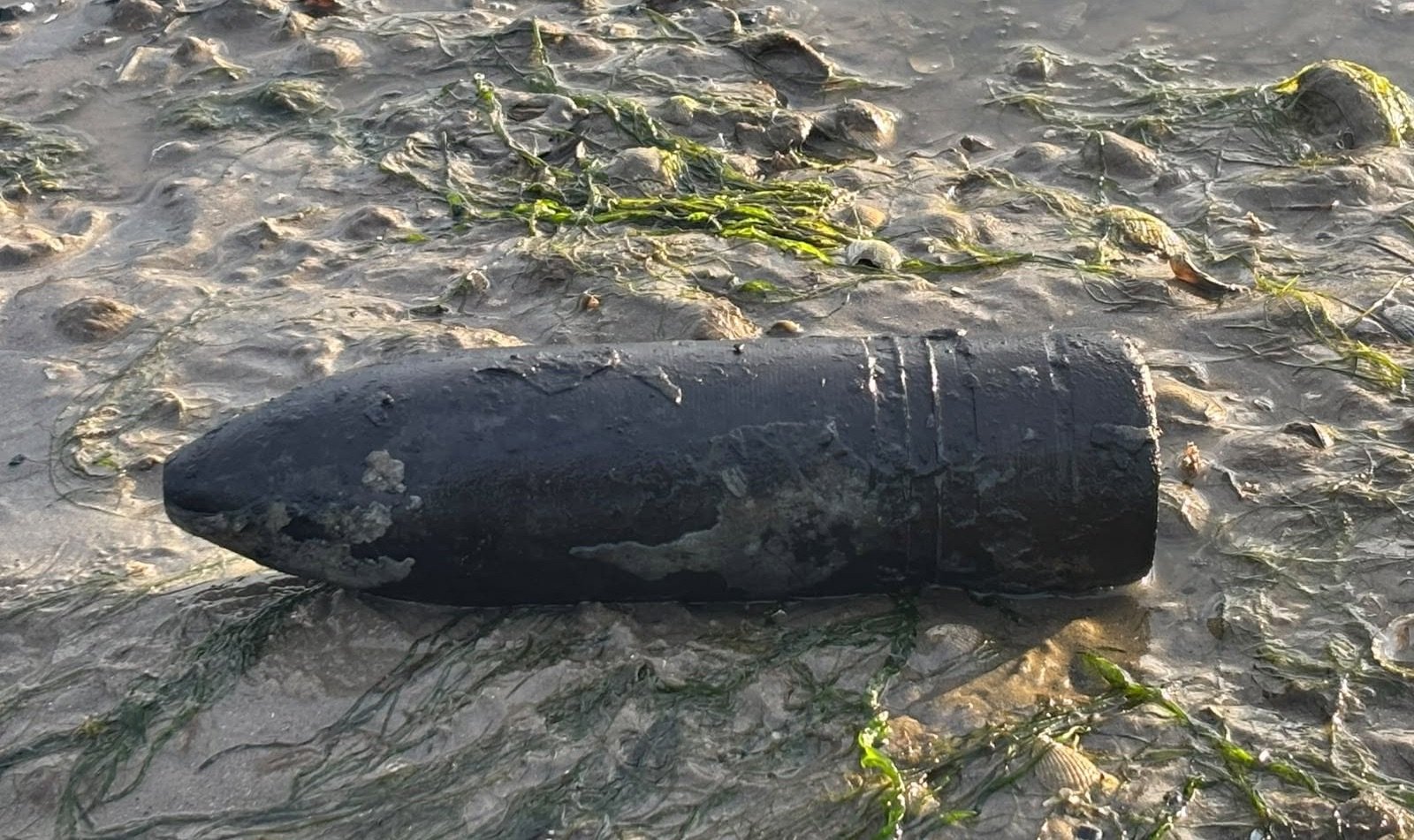
It’s common to find things among the sand while strolling along a beach: shells, seaglass, bits of and seaweed. But in Essex, England, a beachgoer found something quite different on the coast of Southend-On-Sea: a World War II explosive.
Southend-On-Sea’s HM Coastguard intervened over the weekend after someone reported a “shell-shaped object” less than half a mile south of a local monument called “The Crowstone.” The team first showed up early in the morning to locate the object and send pictures to the Army Explosive Ordnance Disposal teams.
The Explosive Ordnance Disposal teams decided that disposal officers should remain on the scene, but that everyone should go back at low tide to identify the object and execute a plan. When they returned that evening, Southend Coastguard Rescue Officers accompanied Explosive Ordnance Disposal officers to the suspected explosive.
“It was confirmed to be an old WWII shell that was approximately six inches in diameter,” HM Coastguard Southend On Sea explained in the social media post. “The decision was made to detonate it in situ, where it posed no risk to passing members of [the] public.”
The video in the Facebook post showcases a significant explosion in the distance, shooting a cloud of debris into the air. It’s not the first time this year that the violence of World War II makes itself known again. In the spring, experts safely detonated a 250 kilogram German explosive in Plymouth, UK. But possibly another World War II find in Indonesia had a drastically less fortunate outcome. A suspected shell killed five people when it detonated in a fishing village.
“As these items can be so dangerous, if you ever see something suspicious or out of place on the beach or in the sea, do not touch it, move it or take it home,” the post continued. “Let the experts decide if it is safe.”
KioskNews shows a cleaned-up reading view extracted from the publisher’s page — the original always lives on their site, not ours.