Could you be an ‘autumn spotter’? Public asked to track changing colours of trees in England
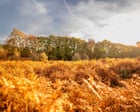
The reds and golds of autumn leaves may be beginning to appear, but exactly when the season arrives is not always as predictable as the calendar might suggest.
Now, Forestry England is asking people to help track the changing colours of forests to create a record of when and how autumn arrives across the country.
The Autumn Leaf Watch citizen science project invites people to become “autumn spotters” using Forestry England’s new autumn colour tracker.
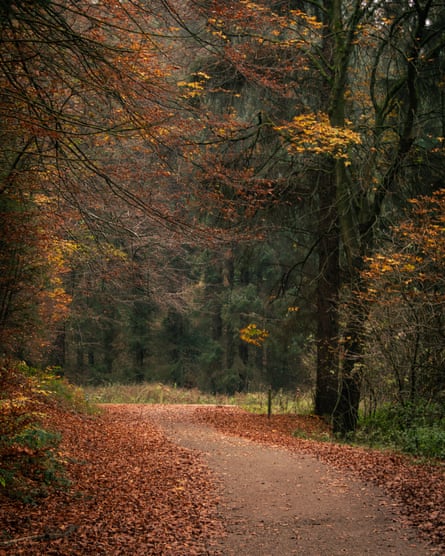
Those taking part can record the most common leaf colour they spot on visits to forests, or search for hues of leaves on specific tree species, including beech, horse chestnut, oak, rowan and silver birch.
By collecting observations over the coming weeks and in future years, Forestry England, which is in charge of the country’s woodlands, hopes to build a picture of how the timing and development of autumn colour varies between regions, habitats and tree species.
Early observations suggest autumn remains in its infancy, Forestry England said, with most reports showing green woodland canopies. But yellow and orange leaves have already been recorded at Wyre Forest in Worcestershire, Haughmond Hill in Shropshire and Delamere Forest in Cheshire.
Silver birch and beech are among the first species showing colour change, while oak has so far remained predominantly green across much of the country.
The timing of autumn is influenced by factors including daylight, temperature, rainfall, soil moisture and the health of individual trees. Forestry England said this year’s extremely hot and dry summer had caused some trees to shed their leaves earlier than usual.
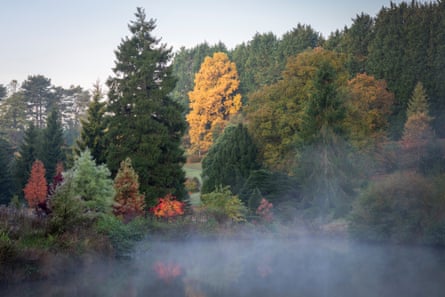
It is too early to say what effect those climate crisis-driven conditions will have on this autumn as a whole, with weather over the coming weeks helping to determine how the season develops.
after newsletter promotion
Chris Sorenson, a forest management adviser at Forestry England, said the UK’s summer of extreme heat made this year particularly interesting to observe. “Some trees have already shed leaves early, but there’s still plenty of autumn to come,” he said. “We want people to get outside, look closely at the trees around them and help us track it.”
The changing of the colours is part of the process by which deciduous trees prepare for winter. With days shortening and temperatures falling, trees stop producing chlorophyll, the green pigment in their leaves, causing yellow and orange pigments already present in the leaves to become visible. Some species also produce red pigments.
The timing and intensity of the change can vary considerably between species and locations, making observations from across the country useful for understanding how autumn develops from year to year.
KioskNews shows a cleaned-up reading view extracted from the publisher’s page — the original always lives on their site, not ours.