‘Stayed for another shift to earn more’: Kin of Delhi shoe factory fire victims
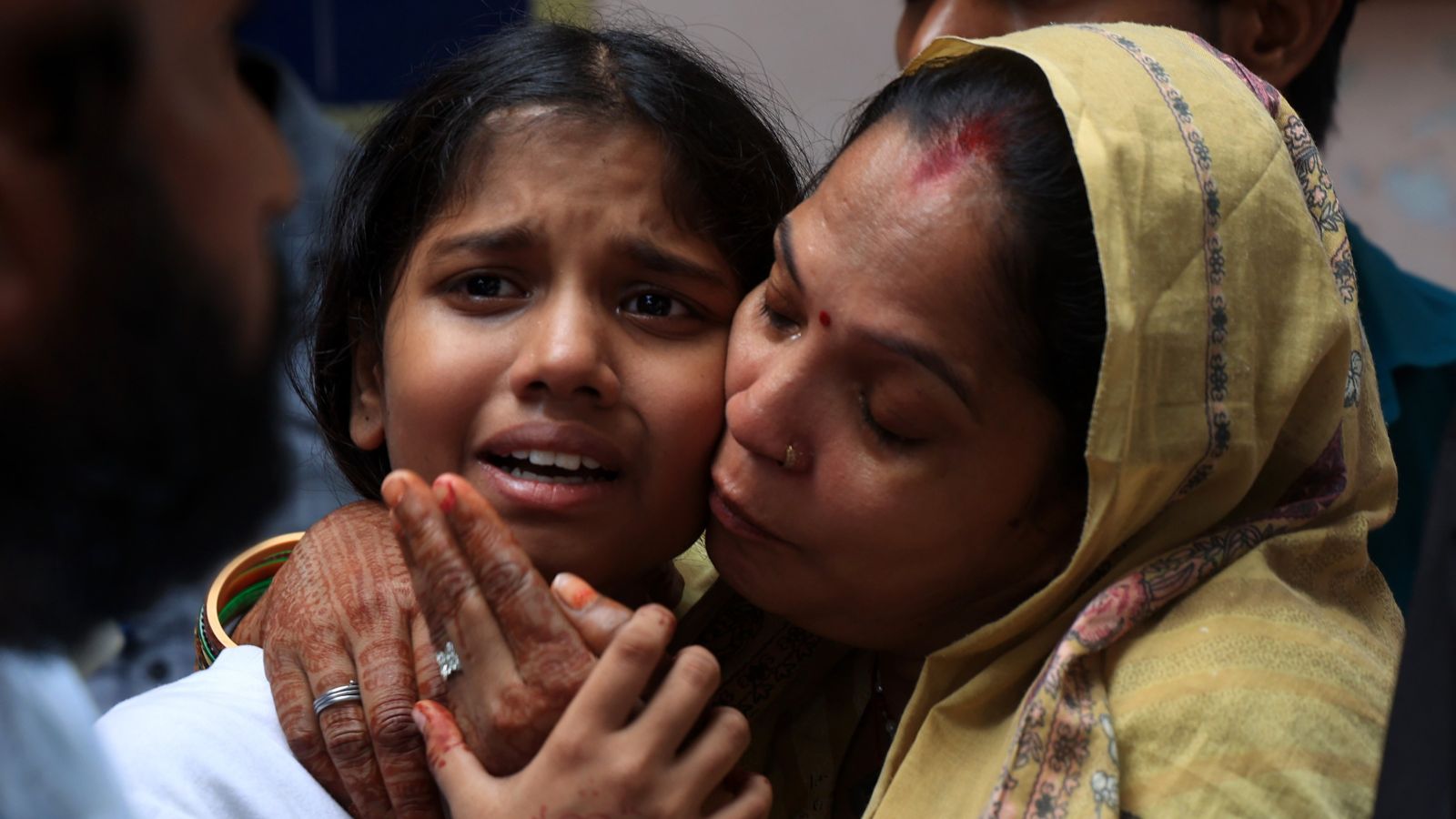
The henna on Gayatri’s hands, which she applied for Karva Chauth, has hardly faded. Just two days after celebrating the festival with her husband, Harihar, 40, she sat outside the Sanjay Gandhi Memorial Hospital’s mortuary on Saturday, crying. Her son, Ansh, 10, held her hand tightly every time she would burst in tears while talking to relatives and reporters. Her daughter, Anjali, 13, also sat next to her while her son, Himanshu, 15, stood next to his father’s body lying on a stretcher.
Harihar, the family’s sole breadwinner, had been working at a shoe factory in Northwest Delhi’s Mangolpuri for more than two decades, recalled Gayatri. His monthly salary had increased to Rs 35,000 gradually. He often took double shifts, particularly during the festive season, to earn extra for the family.
On Friday, too, Harihar was working late. It was not unusual for his family. While others at the factory went out for dinner, he dialled up home. Himanshu set out with the food, like he did on most days. By the time he reached the factory, it was 8.55 pm. “He got angry that the food had not come earlier. He wanted his meal on time. He told his son, ‘Agli baar se time pe aao thoda… (come a little earlier next time)’,” Gayathri recollected, adding that she could not imagine this was the last conversation the father had with his son.
Harihar was among four factory workers who were killed when a huge fire broke out at the shoe factory on Friday night.
In her late thirties, Gayatri now has the responsibility to look after three children. She wants those responsible to be punished. “There should have been escape routes at the factory and adequate fire fighting material to fight the blaze,” she said in response to a survivor’s claims that all gates were locked when the incident happened.
Last video call
For another victim’s family, the last moments of a loved one were captured in a video call. Ashok, 25, who hailed from Phulparas in Bihar, had worked in the factory for around 14 to 15 years. He earned approximately Rs 16,000 a month. He is survived by a pregnant wife, and two daughters.
According to his uncle, Umesh, Ashok was speaking to his wife and playing virtually with his younger daughter over a video call around 9.20 pm minutes before the fire broke out. Soon after, he informed his family that there was a fire and began looking for a way out. The call was abruptly cut.
Story continues below this ad
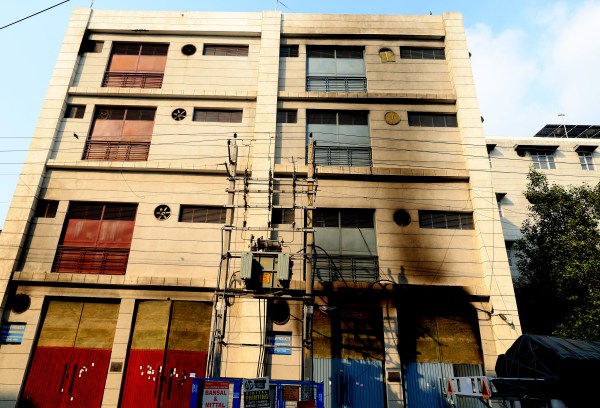 Factory where fire broke out in Delhi’s Mangolpuri.
Ashok worked in the dyeing section. He would often put in extra hours to earn more, Umesh said, particularly during the peak months.
Overtime was offered twice a year, and Ashok would travel from Bihar to Delhi to work during these periods. August to December was one such peak season. He would come to the Capital, earn what he could and then return home.
For the family, those months of extra work were a way to make ends meet. Now, Ashok’s wife is left to raise their two daughters while she prepares for the arrival of a third child.
‘Only workplace’
For Lal Babu Chauhan, 38, who hailed from a village in Uttar Pradesh, the factory was his first and last workplace, his sister, Hevanti Devi, said. Living alone in a slum in Sultanpuri, he had been working for nearly 15 years — he saved his earnings to send money back home. “I had met him just a few days ago. And today, I am standing at the mortuary to take his body,” the sister said, holding back her tears.
Story continues below this ad
Grieving the loss of her brother, she expressed anger towards the factory owner who, she said, had not come forward to help the families of the victims.
Another family mourns
Prem Chand, 50, worked night shifts to manage finances and pay for the cancer treatment of his wife at LNJP Hospital in Delhi.
A resident of Prem Nagar, Premchand had been working at the factory for 10 years where he was involved in shoe dyeing. He earned around Rs 14,000 a month, his family said, and often took on overtime to supplement his income.
His son, Ramesh Kumar Jha, who was at the hospital, said he had received a call from his father around 8.30 pm. Premchand told him he would not be returning home that night and would instead work extra shifts so the family could earn more ahead of the festival. Ramesh had quit his job to care for his mother during her treatment, leaving Premchand as the sole breadwinner.
Story continues below this ad
The family learnt of his death after a family friend called and asked them to reach the hospital. When they arrived, they found that Premchand had died of suffocation in the factory fire.
KioskNews shows a cleaned-up reading view extracted from the publisher’s page — the original always lives on their site, not ours.