British salmon to lose organic status in blow to the fishing industry
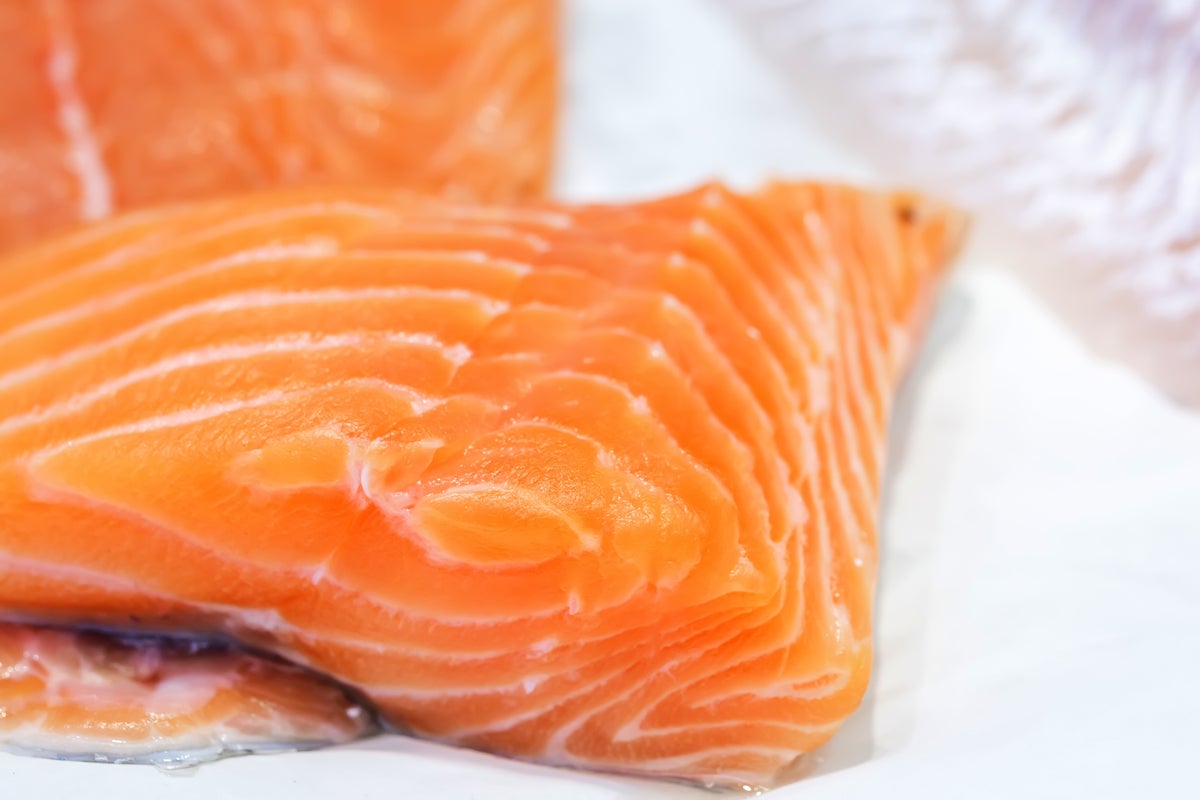
British salmon will have organic labels withdrawn due to environmental failings in the fishing industry.
The Soil Association, which has been setting standards for organic salmon farming for more than two decades, has decided to withdraw after an extensive review found that environmental and welfare outcomes were not meeting its “high bar”.
After a two-year review, the charity found that despite positive change across the whole salmon farming industry, there was no evidence that the standards were delivering good enough animal welfare and environmental outcomes, or that this could change fast enough.

Soil Association chief executive Helen Browning said that progress had been “negligible” in providing resources for a good life for salmon despite 20 years of work in the area.
“The mission behind the Soil Association and its standards is to develop and support farming systems that care for the natural world and farmed animals,” she said.
“When we started working on salmon 20 years ago, we had an aspiration for an aquaculture system that could deliver the principles of organic production in the sea. We envisioned a multi-trophic, enriched environment which could provide the resources for a good life for salmon, with minimal negative impact on other species. However, progress along these lines has been negligible.
“While our standards ensure lower stocking rates and prohibit the most damaging chemical treatments, the evidence suggests that welfare and environmental outcomes are not sufficient for us to continue.”
The Soil Association said it would give processors time to change packaging on products - so customers might not notice the removal of the charity logo immediately.
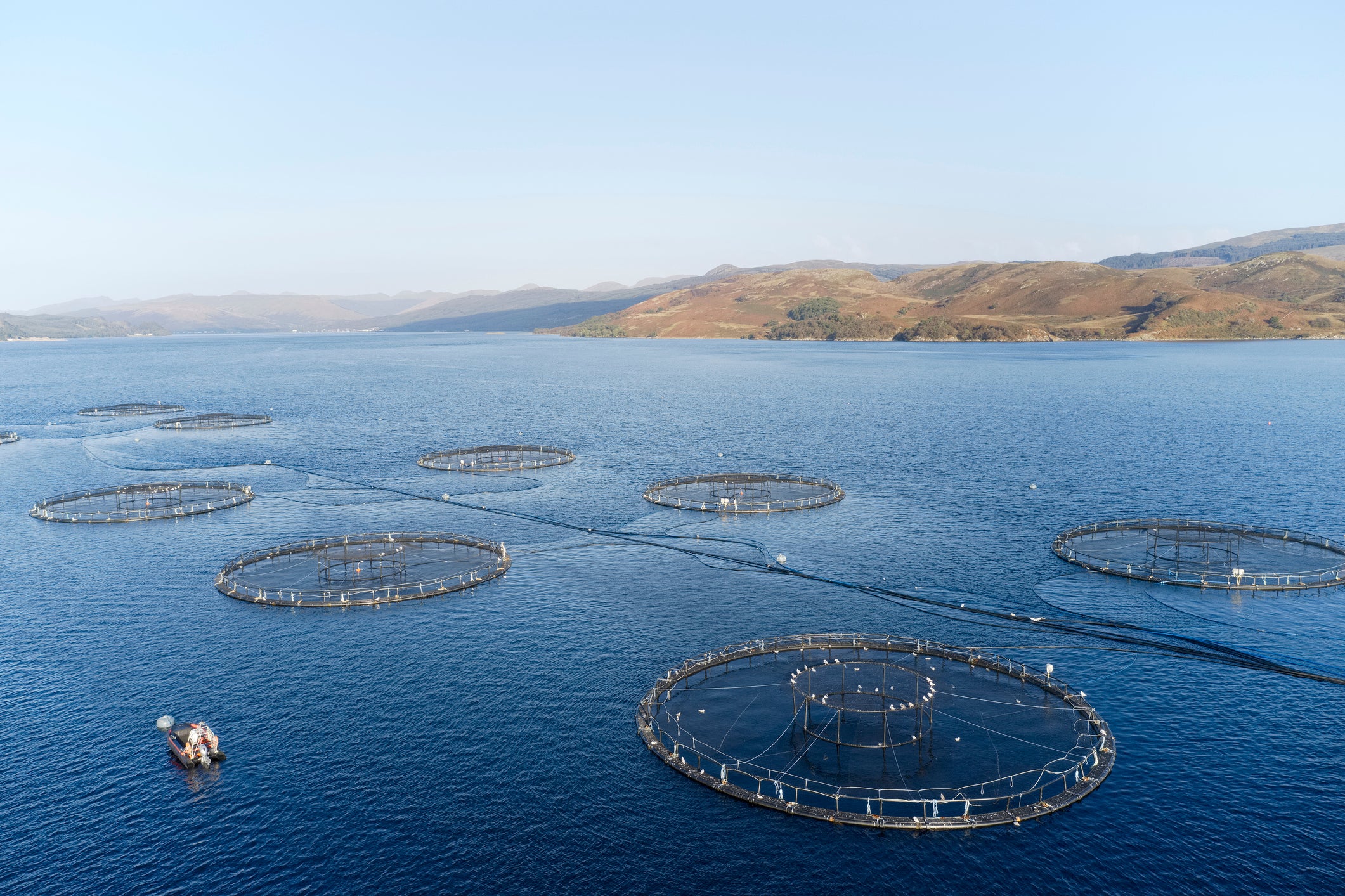
In order to meet the standards to be classed as organic, farmers must make sure that the stocking rates in the sea pens are lower and certain chemical treatments have been banned.
Despite this, the review found that organic salmon mortality rates were not that much better than non-organic sites in recent years. There were also concerns around preventing suffering as it is difficult to treat or euthanise individual fish.
Ms Browning said that the organisation had taken the emerging threat of warming seas to salmon into consideration when deciding to withdraw the status.
She added: “Furthermore, new welfare challenges like jellyfish blooms are emerging due to warming seas. The salmon industry is dynamic and profitable and may well be able to innovate to deal with these emerging challenges. But we were not confident that the issues were likely to be resolved within a suitable timeframe through our standards. There is a bigger research and development piece needed here which, as a charity, it is not our role to lead.
“While no farming system is perfect, the Soil Association standards set a high bar. When consumers see our logo on pack, they should be confident that organic principles are being safeguarded to the highest level possible within the constraints of a commercially viable system. This means being prepared to ask difficult questions and this is a case where we must act on the evidence when we believe we can no longer provide that assurance.”
The Independent has contacted industry body Salmon Scotland for comment.
KioskNews shows a cleaned-up reading view extracted from the publisher’s page — the original always lives on their site, not ours.