Everything Apple just announced at its fall 2026 event: The folding iPhone Duo, iPhone 18, Apple Watch Series 12, and new AirPods
We may earn revenue from the products available on this page and participate in affiliate programs. Learn more ›
Sign Up For Goods 🛍️
Product news, reviews, and must-have deals.
By signing up, you confirm you are 16+, will receive newsletters and promotional content and agree to our Terms of Use and acknowledge the data practices in our Privacy Policy. You may unsubscribe at any time.
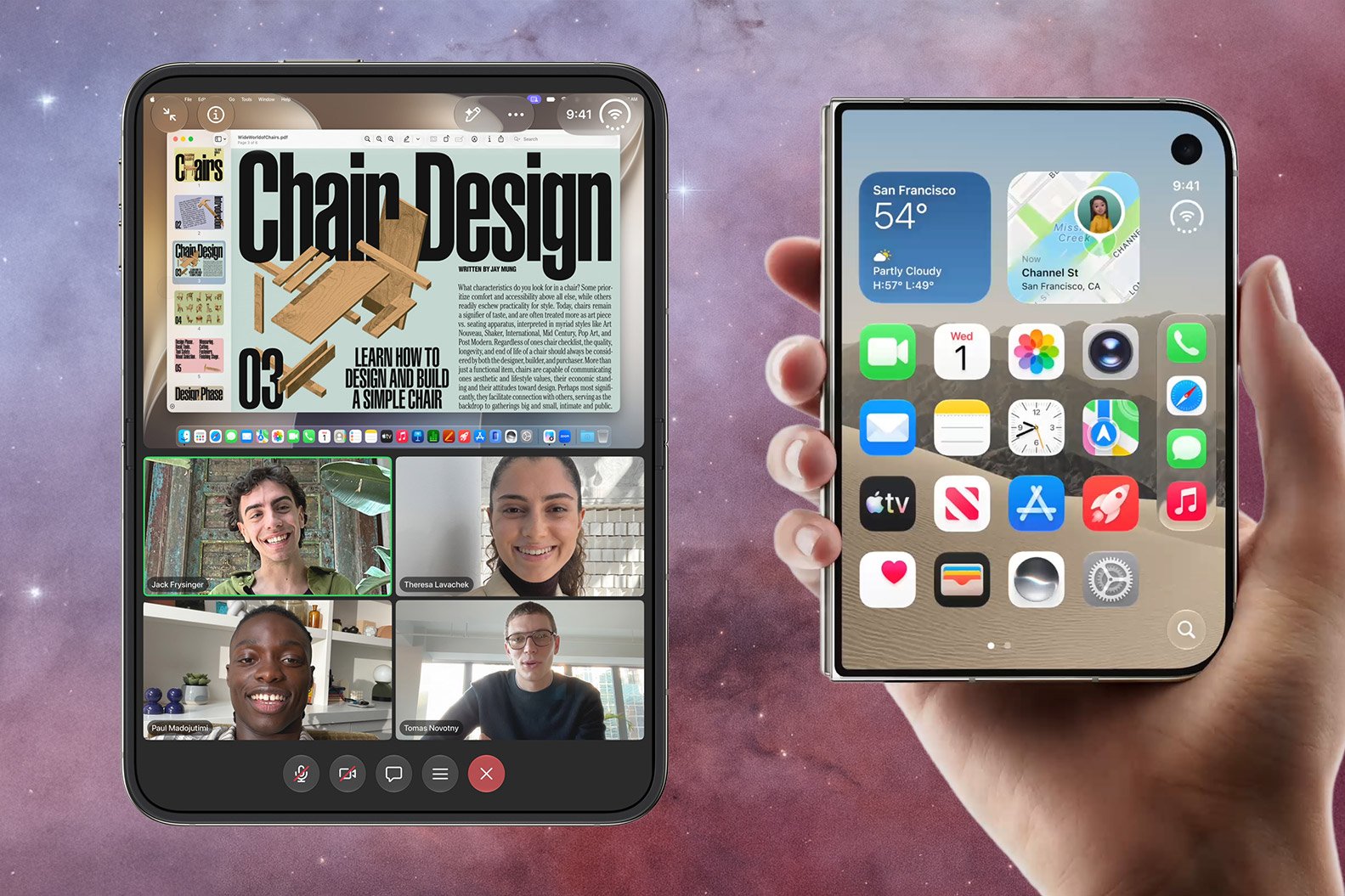
Apple’s first folding phone is real. The iPhone Duo opens from a 5.4-inch outer screen into a 7.6-inch inner one, and it starts at $1,999. It runs the same A20 Pro chip as the new iPhone 18 Pro inside a grade 5 titanium enclosure, and it goes on sale October 23 with preorders opening October 16 at 5 a.m. PT. And there’s a lot more to cover.
The rest of the hardware arrives together on Friday, September 18: the iPhone 18 Pro and Pro Max at $1,199 and $1,299, Apple Watch Series 12 from $399, Apple Watch Ultra 4 at $799, and AirPods 5 at $129. Apple also rebuilt the Health app around a new Longevity tab and added a way to schedule and pay for a $119 blood panel inside the app. Last September’s event was about thinner phones and better telephoto lenses. This one is about a hinge and a heart rate sensor.
| Product | Starting price | Preorder | On sale |
|---|---|---|---|
| iPhone Duo | $1,999 | Oct. 16 | Oct. 23 |
| iPhone 18 Pro | $1,199 | Sept. 12 | Sept. 18 |
| iPhone 18 Pro Max | $1,299 | Sept. 12 | Sept. 18 |
| Apple Watch Series 12 | $399 | Sept. 9 | Sept. 18 |
| Apple Watch Ultra 4 | $799 | Sept. 9 | Sept. 18 |
| AirPods 5 | $129 | Sept. 9 | Sept. 18 |
1. iPhone Duo is Apple’s first foldable, and the crease is the claim to watch
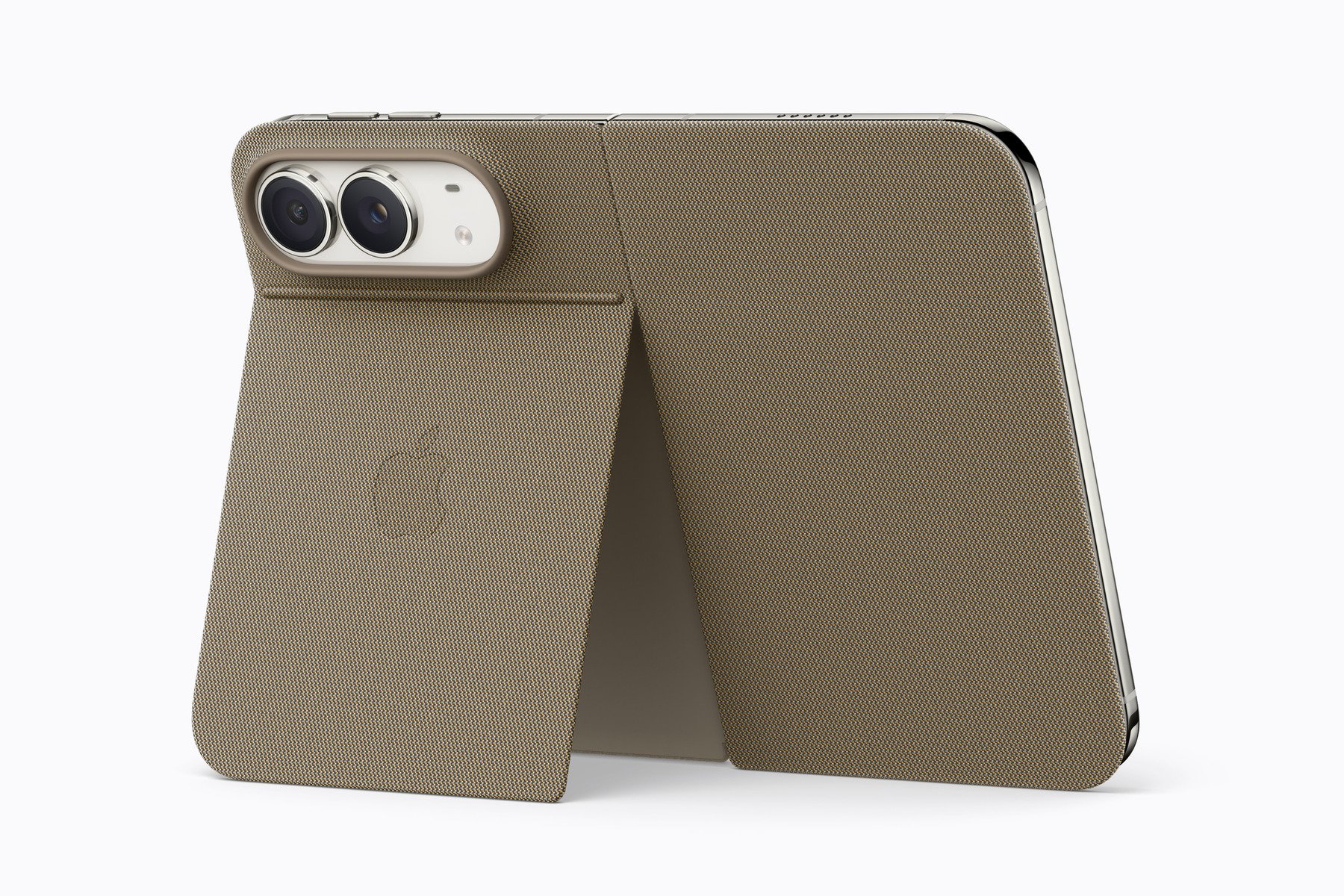
The iPhone Duo unfolds to a 7.6-inch Super Retina XDR display with a nano-texture finish, folds down to a 5.4-inch outer screen, and both panels run ProMotion and peak at 3,000 nits outdoors. The big question we all have right now is how it will handle the crease at the fold. The nano-texture finish minimizes how visible the crease is, and custom adhesives relieve bend stress in the display layers. A visible or tactile crease remains common on foldables, and it will be very interesting to see how effectively Apple has been able to hide it.
The rest of the durability story is easier to check. The enclosure is grade 5 titanium and the hinge cover is 3D-printed titanium. Ceramic Shield 2 protects the outer display, Ceramic Shield covers the back, and the inner display uses a polymer cover layer with a scratch-resistant coating. The whole phone is rated IP68 to six meters for up to 30 minutes, which is a harder engineering problem on a device with a hinge than on a slab.
During the demos, we saw some pretty slick dynamic screen movements, including its ability to move content away from the fold itself to make it easier to tap. You can make windows bigger in full-screen mode, or run a pair of apps or windows next to each other at the same time. Apple clearly wanted the experience to feel intuitive right from the start.
2. The Duo’s outer screen is a camera accessory
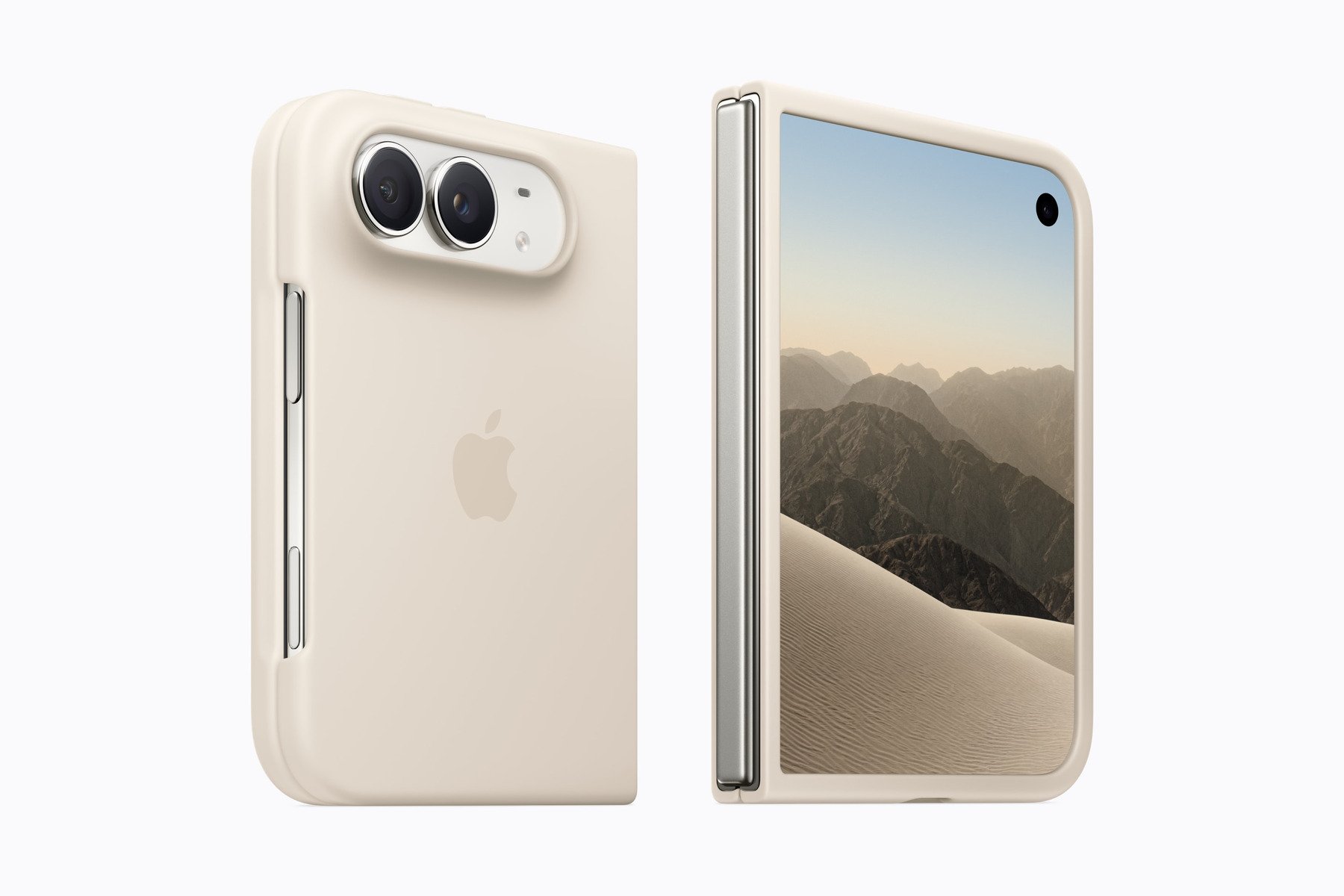
Most folding phones treat the outer display as a shrunken home screen. Apple built four camera features around it instead. Duo Preview turns the outer screen into a live viewfinder facing whoever you’re photographing, so the person being shot can see the frame they’re standing in. Kid Cue plays animations on that same screen to pull a toddler’s eyes toward the lens. Smart Take watches the frame and fires the shutter when it decides everyone is ready. Duo FaceTime lets someone standing next to you join the call on the outer panel.
The camera hardware behind those features is a 48MP Dual Fusion system: a 48MP Fusion Main that also delivers a 2x optical-quality zoom, and a 48MP Fusion Ultra Wide alongside it. A 12MP Center Stage camera handles selfies, and an under-display FaceTime camera sits behind the inner screen. The Fusion Main is the camera that records 4K at 120 fps. Battery is split across two cells, and Apple rates it at up to 31 hours of video playback on the inner display, 44 hours on the outer one, and up to 24 hours of usage on the real-world model Apple now quotes alongside video figures. Getting to 50 percent takes around 20 minutes, which requires a 60W-capable cable and a compatible USB PD adapter. Storage runs 256GB to 2TB, the colors are Night Sky and Star White, and there is no physical SIM tray anywhere in the world.
3. iPhone 18 Pro adds a variable aperture and Apple’s first 2nm chip for $100 more
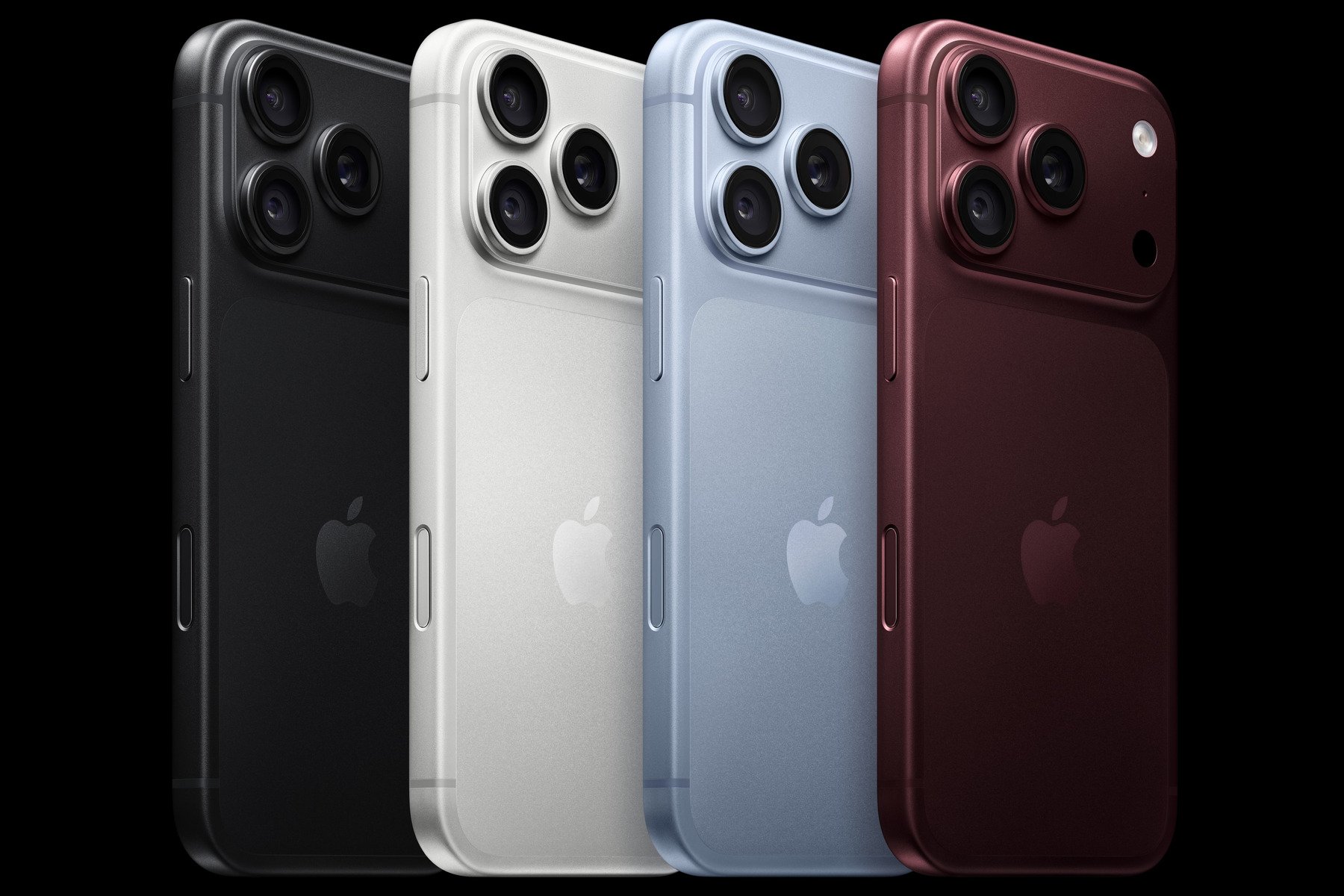
Every iPhone camera until now has had a fixed-size aperture (the opening through which the camera actually lets in the light). The iPhone 18 Pro puts six laser-cut blades inside the 48MP Fusion main camera that physically change the size of the opening, with four settings and a developer API that exposes the range to third-party apps. Wide open, it can produce shallower depth of field optically instead of by algorithm, though the difference won’t likely be all that pronounced. Stopped down, it can keep more of a group sharp without portrait mode guessing where the edges are. If you want to put that to work, our iPhone photography guide covers the fundamentals that still apply.
Underneath, A20 Pro is Apple’s first 2nm phone chip. The GPU goes from six cores to seven with up to 40 percent more speed, memory bandwidth climbs 50 percent, and the Neural Engine doubles up into two 16-core engines running at once. Apple moved the memory off the top of the processor and beside it, the arrangement it uses on Mac silicon, which freed room for a vapor chamber with three times the surface area of the one in the iPhone 17 Pro. The payoff Apple quotes is up to 40 percent better sustained performance, which is what determines whether a long 4K export slows down halfway through.
Battery is the other real gain. Apple rates the Pro at up to 36 hours of video playback and the Pro Max at 45, up from 33 and 39 on the 17 Pro, though both figures apply to the eSIM-only models sold in the U.S. and eleven other markets where the SIM tray became battery. The Pro Max also gets a second rating, up to 30 hours of usage, which Apple derives from a model built on real-world data rather than looping video. Both phones start at 256GB and now climb to 2TB. Colors are black, silver, glacier, and a new burgundy. Both cost $100 more than last year’s models.
4. Apple Reference Image works like a “digital negative”
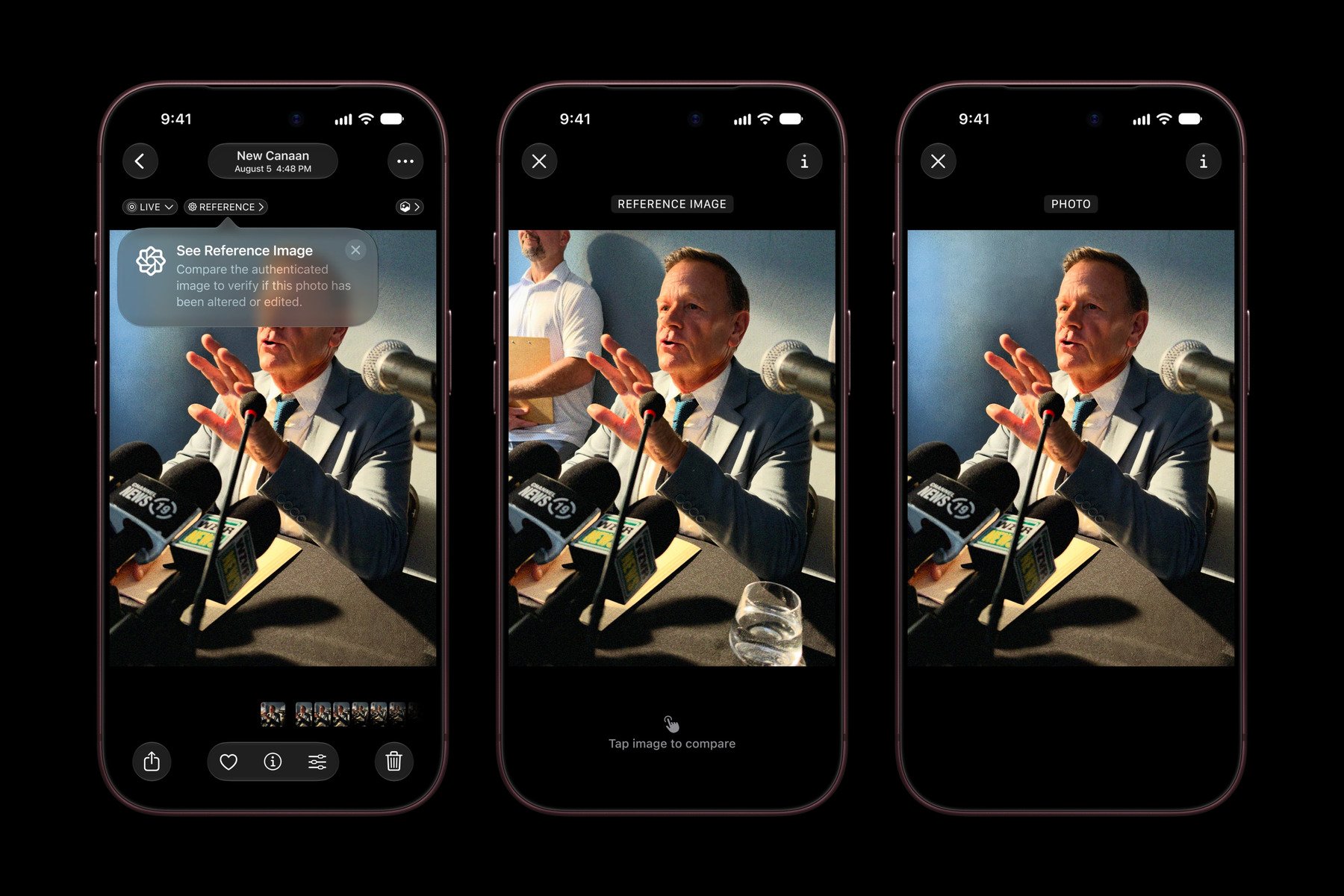
Turn on Reference mode and the 18 Pro’s main sensor captures signed sensor data, which the phone hands to Private Cloud Compute to develop into what Apple calls an Apple Reference Image. That file lands in Photos next to the normal shot and can’t be altered. Hold the two side by side and every change between them is visible. Apple is publishing APIs in iOS, iPadOS, and macOS 27 so third-party apps can display reference images too.
Photographers have had a version of this for decades in the raw file, which sits untouched while every adjustment lives somewhere else. What raw never solved is proving the original came out of a camera at all, and that’s the question that matters now that a convincing fake takes a text prompt. Camera makers have been working the same problem from the hardware side, with Leica and Nikon shipping bodies that write content credentials at capture. A reference image doesn’t stop anyone from editing a photo. It makes the editing obvious, which for anyone shooting news, sports, or documentary work is the more useful outcome anyway.
The limits matter before anyone treats this as proof of anything. Reference mode is opt-in, so it does nothing until you switch it on, and it only applies to photos captured in that mode. Apple’s footnotes say China won’t get the feature for regulatory reasons, and that EU buyers of the 18 Pro can view reference images without being able to capture them at launch. Apple also says it will adopt SynthID, the watermarking standard Google built for AI-generated imagery, in a software update later this year. Apple picking up a competitor’s standard rather than writing its own is rare enough to note.
5. Apple Watch Series 12 reads your heart rate every five seconds and turns it into a readiness score
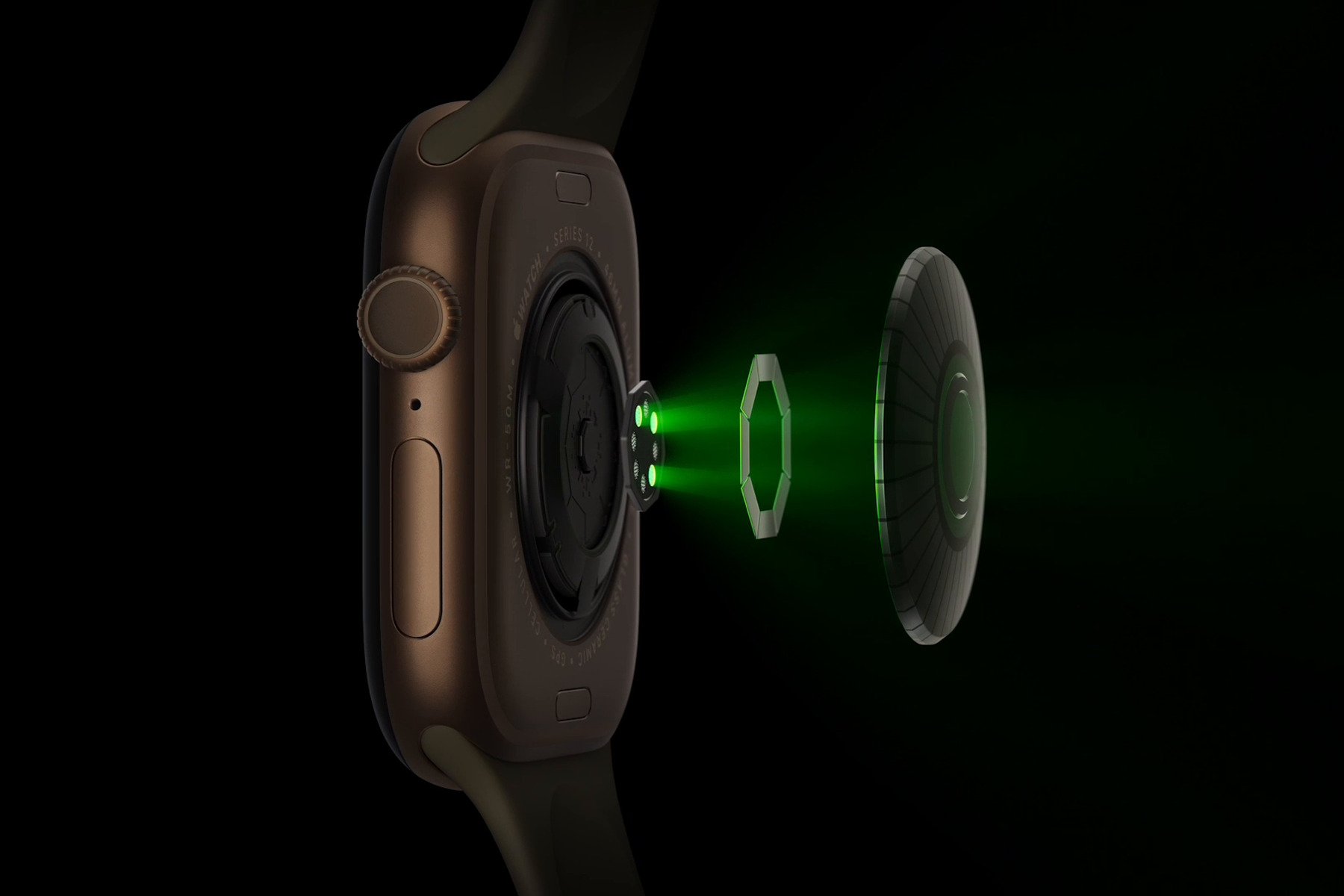
Apple Watch Series 12 starts at $399 and its headline change is a new Health Sensing System that samples heart rate every five seconds all day and measures heart rate variability up to 24 times more often than the previous generation, roughly every five minutes. Apple splits HRV into two readings, an overnight Recovery HRV and an all-day overall figure. Apple says its study of more than 1,000 participants, run in July and August of 2026, found this to be the most accurate heart rate sensing in a wearable. That’s the company’s own testing rather than an independent result.
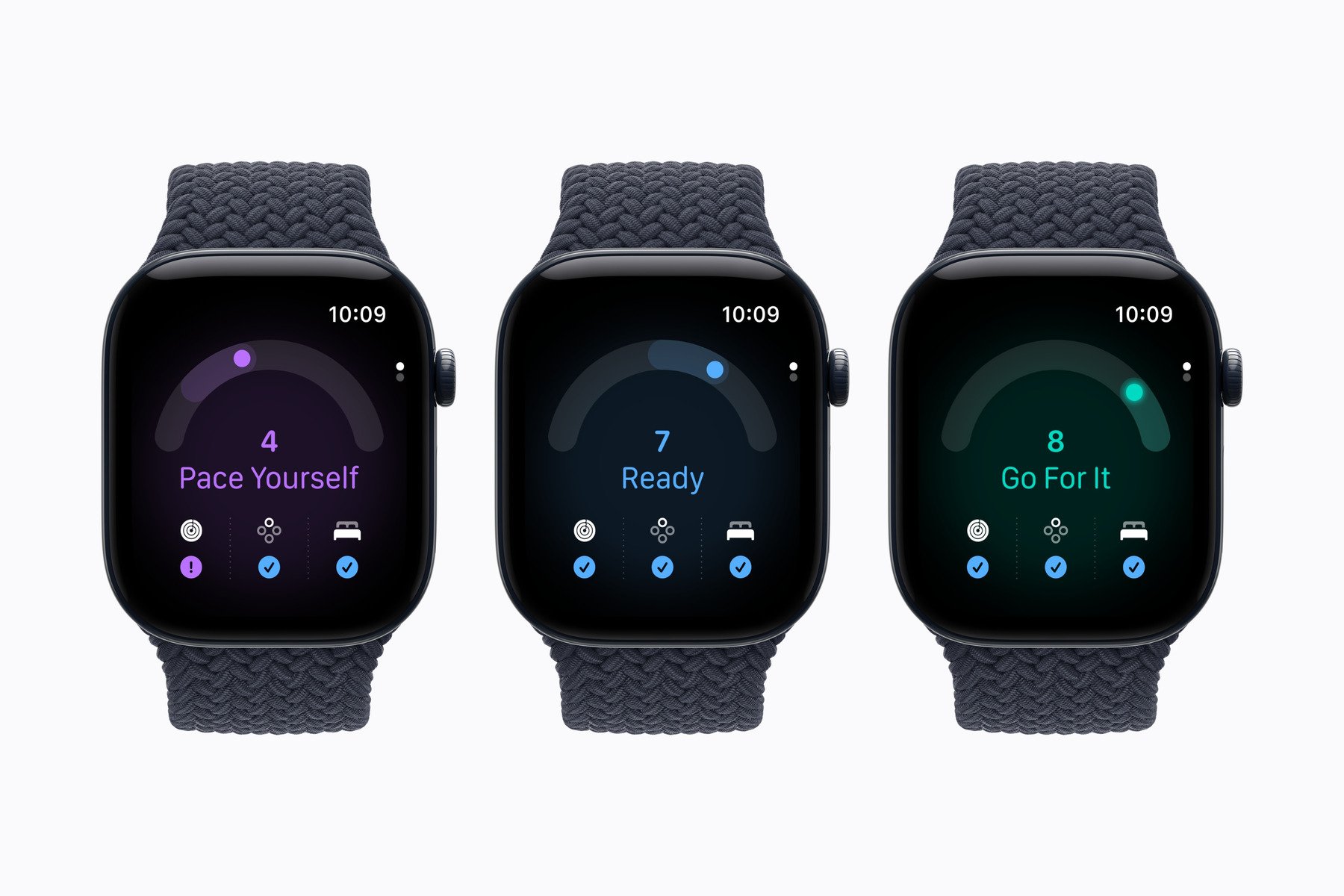
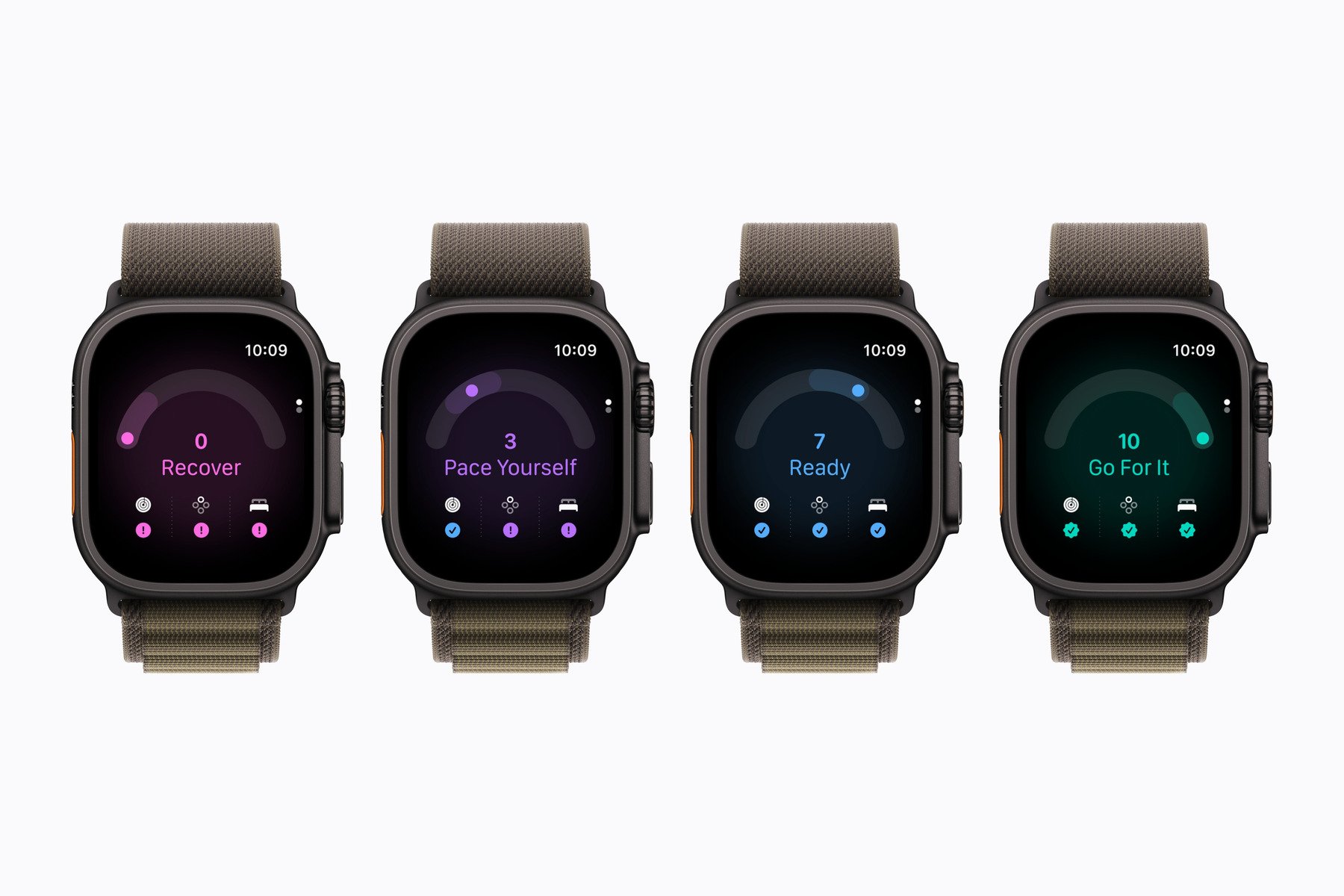
All that sampling feeds a daily readiness score from 0 to 10 that sorts your day into Recover, Pace Yourself, Ready, or Go For It, updating as the day goes on. Readiness is the metric many wearable makers have converged on, and the scores rarely agree with one another, so the question is whether Apple’s version, built on the Apple Heart and Movement Study, moves when you’d expect it to. Our Apple Watch comparison is where we’ll sort out which model to buy once we’ve worn one.
The S11 chip runs it, battery holds at up to 24 hours of everyday use, and outdoor workout time climbs 25 percent to 10 hours. Fifteen minutes on the charger now buys up to 12 hours, a 50 percent improvement, which is enough to top off while you shower and still sleep-track. Aluminum models get Ceramic Shield 2, which Apple rates 60 percent tougher than the Ion-X glass it replaces. Ceramic models return to the lineup in pearl white and night blue alongside aluminum in dark bronze, black, light gold, and space gray, and titanium in radiant gold and natural.
6. Apple Watch Ultra 4 runs 50 hours on a charge and 45 in max workout mode
The $799 Apple Watch Ultra 4 is rated for up to 50 hours of normal use, and Low Power Mode stretches that to 84. In workout modes, Extended Workout runs up to 25 hours, a 25 percent gain over the Ultra 3, and Max Extended Workout runs up to 45. Apple says that’s typically enough for a 100-mile race. I will not personally be testing that one. Fifteen minutes on the charger adds up to 18 hours of general battery life.
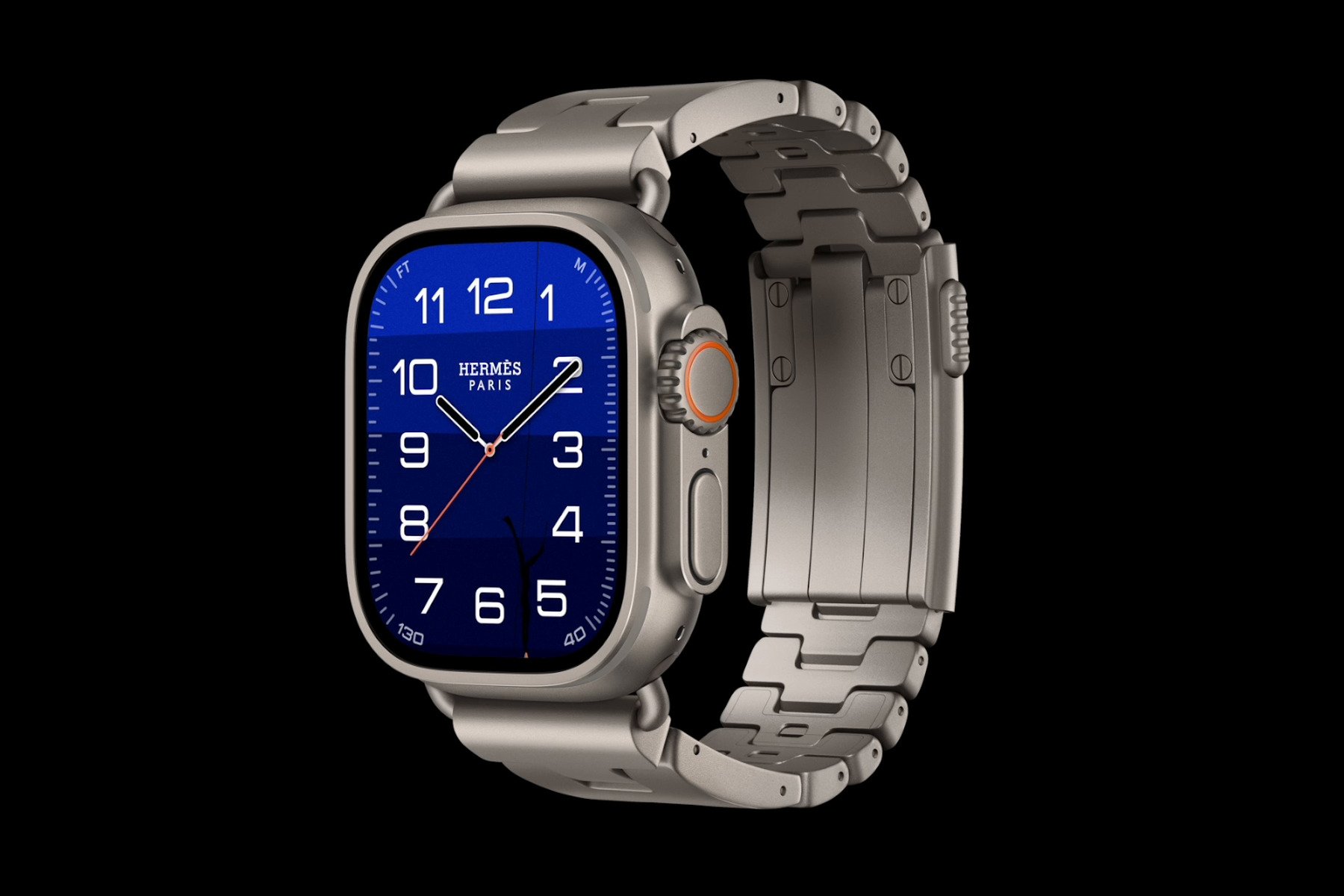
The case is 3D-printed from 100 percent recycled titanium in natural and black, and the watch carries the same S11 chip and Health Sensing System as Series 12, so the readiness score and five-second heart rate sampling arrive here too. Satellite Emergency SOS, Find My, and Messages carry over. Band options include a new translucent silicone Ocean Band in gray, kelp, and black, and the Hermès collection adds a Grand H titanium bracelet with a built-in extension sized for a wetsuit cuff. If you’re weighing this against a Garmin or a Coros, our best fitness watches guide has the field.
7. AirPods 5 put noise cancellation in the $129 pair
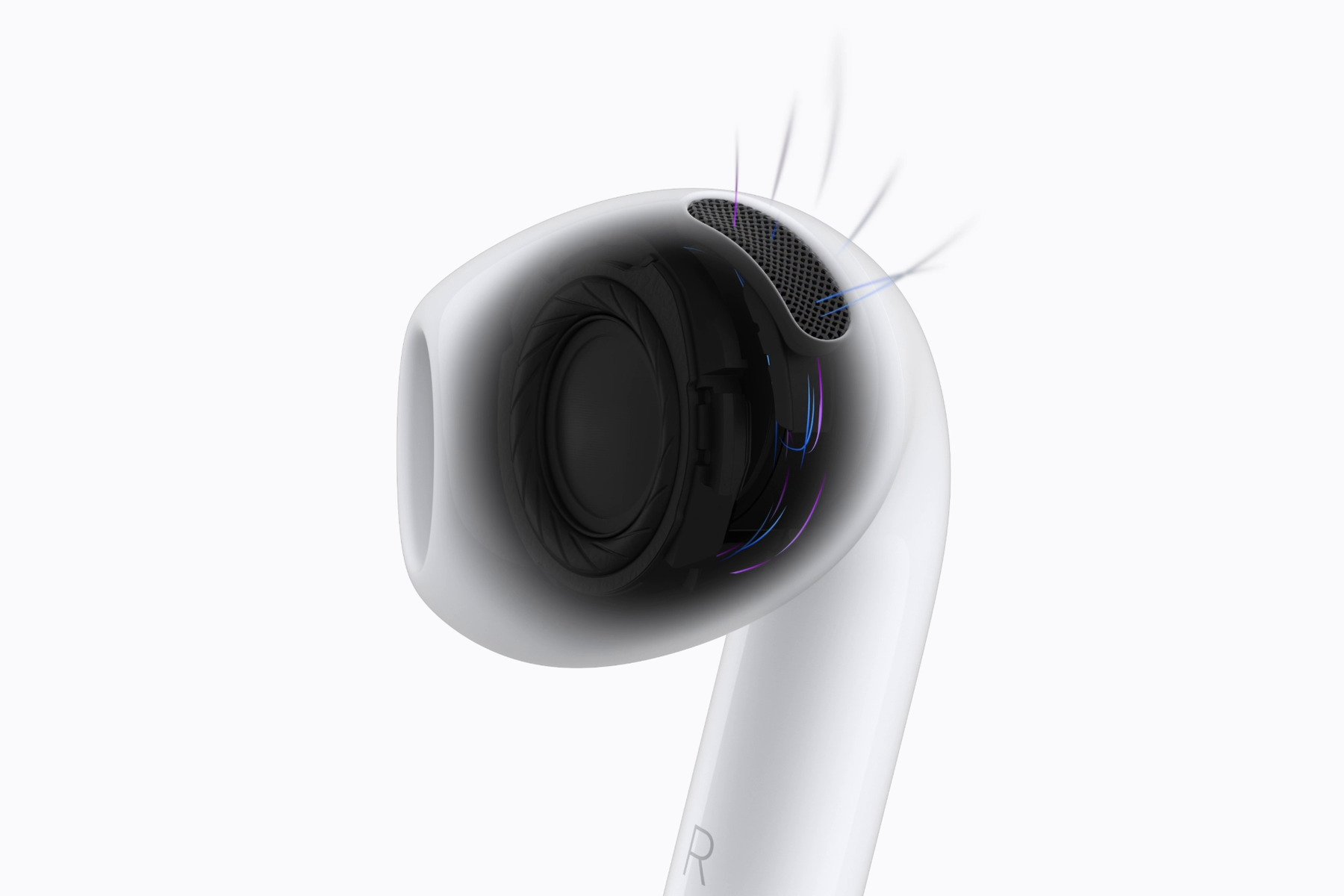
Last year, active noise cancellation on AirPods 4 cost $179. AirPods 5 start at $129 with ANC included, and Apple says the new pair removes up to 50 percent more external noise than the more expensive model it replaces. Apple credits that gain to a multiport acoustic architecture borrowed from AirPods Pro 3 and to improved computational-audio algorithms, with a next-generation Adaptive EQ working on sound quality rather than isolation. These are still open-ear buds with no silicone tip, so the ceiling is lower than a sealed design, and Apple scopes its best-in-class claim specifically to the open-ear category.
Spending $149 instead of $129 gets the Wireless Charging Case, and with it a stem force sensor that responds to a swipe for volume, which Apple says is a first for an open-ear design. That configuration tops up on an Apple Watch puck, any Qi pad, or USB-C, and it’s the one Apple quotes in the release: five hours of playback with ANC on, one hour more than AirPods 4 with ANC, and 22 hours total with the case. Live Translation works across the whole AirPods lineup now, subject to compatibility and regional limits. Apple’s press release doesn’t name the chip, publish an IP rating, or give a battery figure for the $129 model. Apple’s separate specifications fill in all three: an H2 chip, IP57 dust, sweat, and water resistance, and up to four hours of ANC playback with 20 hours from the case on the cheaper pair.
8. The Health app rebuild adds Health Age, at-home movement tests, and $119 lab work
The quietest announcement of the day is the one Apple will still be talking about in five years. A redesigned Health app arriving later in 2026, in U.S. English first, adds a Longevity tab built around Health Age, a figure that compares your VO2 max, resting heart rate, sleep, and HRV against your actual age and can pull in lab values like A1c and LDL. A new Insights tab surfaces summaries across heart, sleep, readiness, fitness, and cycle tracking.
Two additions go further than anything Apple has done in health before. Movement evaluations use the iPhone camera together with an Apple Watch to assess flexibility, strength, balance, and movement mechanics at home, with real-time audio and visual coaching. Apple says the whole thing runs on device and that no video is ever recorded, stored, or shared. Separately, Labs lets you schedule and purchase a blood panel through the Health app, 50 or more biomarkers for $119, drawn at roughly 2,000 Quest Diagnostics locations in the U.S. Booking lab work from inside a phone’s health app is new territory.
Cycle Tracking now supports perimenopause and menopause logging, and it will notify users age 40 and over when cycle deviations suggest perimenopause and flag any bleeding logged after menopause. Apple’s standing warning still applies there, that Cycle Tracking should not be used as a form of birth control. Workout Buddy can run on the watch without an iPhone nearby, though it still needs Wi-Fi or cellular, Bluetooth headphones, and a paired Apple Intelligence iPhone. GymKit expanded so heart rate from AirPods Pro 3 can reach a compatible treadmill or indoor bike by way of your iPhone. The Vitals app carries its own label: for wellness purposes only, not for medical use.
9. Siri AI arrives September 14 in beta, with daily usage caps and a paid tier coming
The rebuilt Siri Apple previewed at WWDC in June ships with iOS 27 and watchOS 27 on Monday, September 14, labeled a beta and available in English first. French, Japanese, Korean, Portuguese, and Spanish follow in October. It isn’t available on iPhone, iPad, or Apple Watch in the EU at launch, and it isn’t available to anyone under 13. The feature set matches the June demo: personal context across Messages, Mail, and Photos, awareness of what’s on screen, and a Siri mode inside the Camera app.
Apple says features that run on its server-side models, including Siri AI, the new photo editing tools, and Image Playground, are subject to daily usage limits that vary by feature and system demand, and that expanded access to those features will be available for a fee in the future. Apple laid out daily limits and broader access through most iCloud+ plans back in June, so the concept isn’t new, but the fee language is more explicit than anything the company has said before. It still hasn’t put a number on either the limits or the price.
10. Where to preorder everything Apple announced
Apple Watch Series 12, Apple Watch Ultra 4, and AirPods 5 are up for preorder now and arrive Friday, September 18. The iPhone 18 Pro and Pro Max open for preorder at 5 a.m. PT on Saturday, September 12, and ship September 18 in more than 65 countries, with 20 more following September 25. The iPhone Duo waits until October 16 for preorders and October 23 for delivery. iOS 27 and watchOS 27 land as free updates on September 14, which is when most of the software on this list reaches the hardware you already own.
Apple iPhone Duo $1,999
Apple iPhone Duo $1,999
See It
Apple’s first foldable is also the only phone in the lineup with two screens doing different jobs. The 7.6-inch inner display handles everything a phone normally does, and the 5.4-inch outer one runs Duo Preview, Kid Cue, and Duo FaceTime, all of which exist because someone is standing in front of the camera. Dual batteries are rated for up to 31 hours of video on the inner screen. There’s no telephoto lens and no SIM tray anywhere in the world.
Apple iPhone 18 Pro $1,199
Apple iPhone 18 Pro $1,199
See It
Skipping the Max costs you nothing photographically. The 6.3-inch iPhone 18 Pro gets the variable aperture, Apple Reference Image and its signed sensor data, the Pro controls layer with a live histogram, and the same A20 Pro chip and the vapor chamber with three times the surface area of last year’s. Apple rates the eSIM-only version at 36 hours of video playback, three more than the 17 Pro. Pick this one if 6.9 inches has always been more phone than your pocket wanted.
Apple iPhone 18 Pro Max $1,299
Apple iPhone 18 Pro Max $1,299
See It
Battery is the reason to spend the extra $100. The eSIM-only Pro Max is rated at 45 hours of video playback, six more than last year, and it’s the only iPhone 18 Pro model carrying Apple’s real-world usage rating: up to 30 hours. Five minutes on a 60W charger is supposed to return about seven hours of video. Cameras and chip are identical to the 18 Pro, so this is a size and endurance decision rather than a capability one.
Apple Watch Series 12 $399
Apple Watch Series 12 $399
See It
This is the cheaper of the two watches carrying Apple’s new Health Sensing System. The Series 12 samples heart rate every five seconds and HRV roughly every five minutes, which is what makes the readiness score possible, and the S11 chip runs the new audio features including Live Rewind and Siri Recap. Sizes are 42mm and 46mm, aluminum cases get Ceramic Shield 2, and a 15-minute charge returns up to 12 hours.
Apple Watch Ultra 4 $799
Apple Watch Ultra 4 $799
See It
Endurance is what separates the Ultra 4 from the Series 12: 50 hours of normal use and 45 hours in Max Extended Workout mode, along with satellite messaging and a 3D-printed recycled titanium case. The Health Sensing System and readiness scoring are identical to the cheaper watch, though the Ultra adds outdoor and depth capabilities Series 12 doesn’t have, so the $400 buys endurance, ruggedness, and the ability to text without a cell tower. The new Ocean Band comes in translucent gray, kelp, and black.
Apple AirPods 5 $129
Apple AirPods 5 $129
See It
Noise cancellation used to be the $179 upgrade. Now it’s standard on the $129 pair, and Apple rates it 50 percent stronger than the model it replaces. The $149 Wireless Charging Case version is the one worth the upgrade, since it adds the stem swipe for volume, charges on an Apple Watch puck or any Qi pad, and carries the quoted five hours of ANC playback and 22 hours total. These stay open-ear, so treat the noise cancellation as a commuting improvement rather than a replacement for AirPods Pro.
KioskNews shows a cleaned-up reading view extracted from the publisher’s page — the original always lives on their site, not ours.