Singapore’s toxic haze probe expands to 10 palm oil, forestry firms
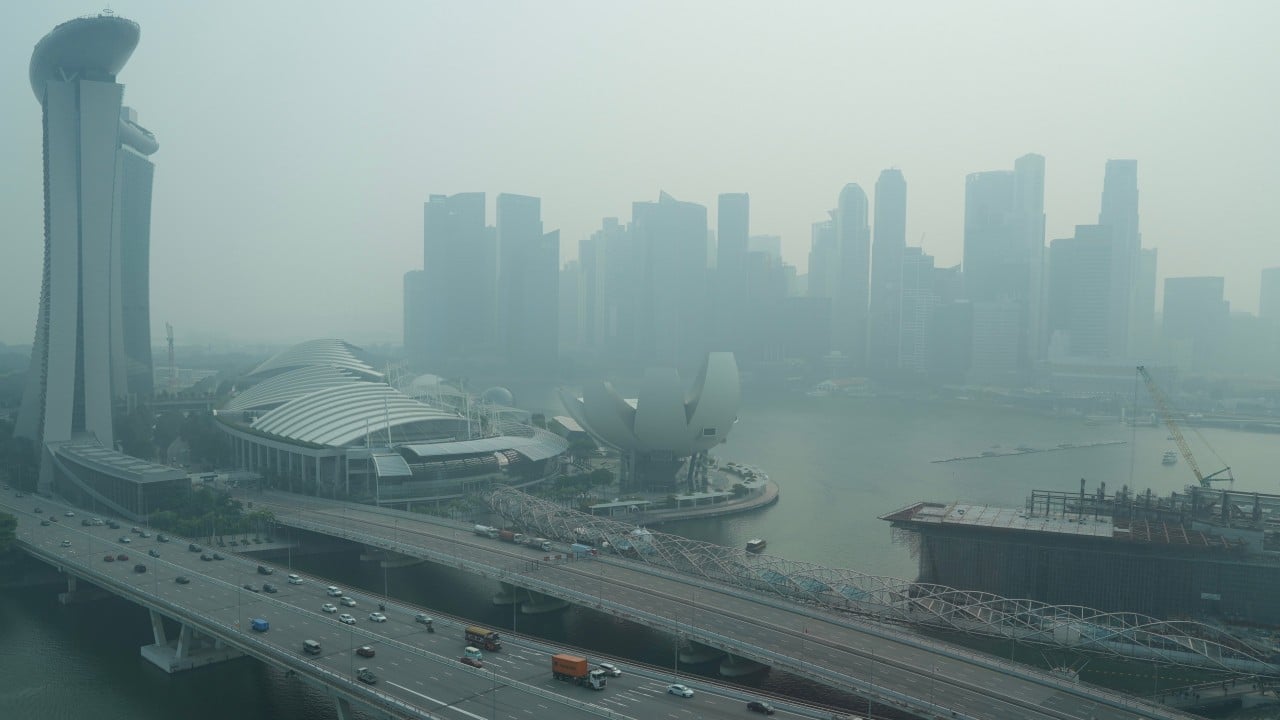
Singapore has expanded its investigation into haze-creating fires in Indonesia that have blanketed the city state in smog, requesting information from 10 locally registered companies.
The National Environment Agency (NEA) sent notices seeking documents and details of land concessions in Indonesia owned by the firms, their firefighting and blaze prevention measures, and their relationship to other relevant companies, according to a Friday statement.
All 10 Singapore-registered companies were involved in the palm oil or forestry sectors and included Wilmar International, Golden Agri International and First Resources, the agency said.
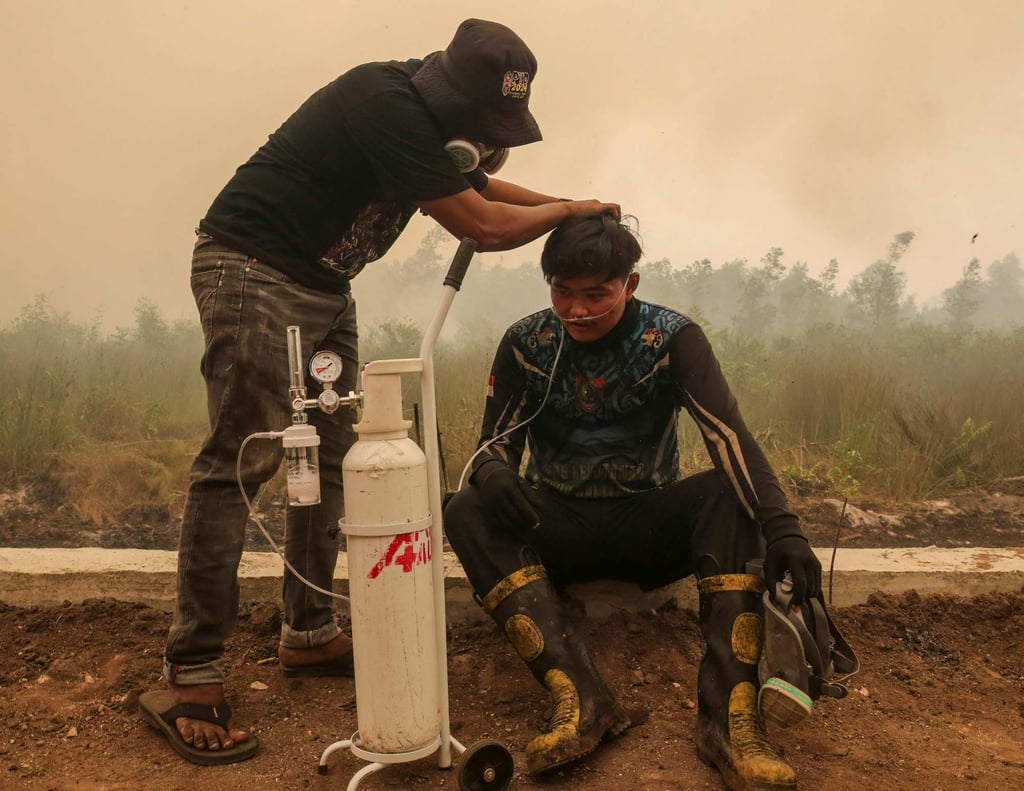
Singapore, Malaysia and other parts of Southeast Asia have experienced some of the worst pollution since 2015 as a result of haze generated by blazes in Indonesia. While fires are typical every year, the issue has been exacerbated in recent months as drought conditions have been worsened by a record El Nino.
Wilmar, the world’s biggest palm oil refiner, said in a statement that “work is in progress to comply” with the NEA notice. First Resources was “reviewing the notice and will provide the requested documents and information”, it said on Saturday.
Golden Agri, which operates oil palm assets across Sumatra, Kalimantan and Papua, has received the request and will cooperate with the agency to provide information, according to a stock exchange filing late on Saturday. The producer said earlier this month that it was not aware of information indicating its operations had contributed to the haze, and that it had stepped up fire-prevention measures ahead of the El Nino-driven drought.
The NEA earlier issued requests for information to 10 Indonesia-registered companies in connection with the haze.
Singapore’s Prime Minister Lawrence Wong has pledged to investigate companies behind the region-wide smog and to take legal action under the Transboundary Haze Act. The law gives Singapore the ability to fine companies up to S$100,000 (US$78,000) per day of pollution. However, the city state has yet to issue any penalties under the legislation.
A panel of experts including law firms, auditors and investigative companies with expertise in cross-border inquiries would support the government’s efforts, the law ministry said in a statement on Friday.
“The conduct of local and foreign companies, their corporate relationships and supply chains will be examined to establish whether they have been involved in causing or condoning the fires that caused or contributed to the haze,” the ministry said.
Some palm oil producers have previously denied that their operations in Indonesia have caused or contributed to the pollution, pointing to strict zero-burning policies.
Air quality in Singapore improved on Sunday, with the city state’s preferred gauge – the 24-hour PSI – ranging from 102 to 135 as of 9am, levels considered to be “unhealthy”. Readings of 201 or more are considered “very unhealthy” and levels above 301 are regarded as “hazardous” and can trigger school closures.
KioskNews shows a cleaned-up reading view extracted from the publisher’s page — the original always lives on their site, not ours.