Is Jared Verse Changing How NFL Players Deal With Mental Health Struggles?
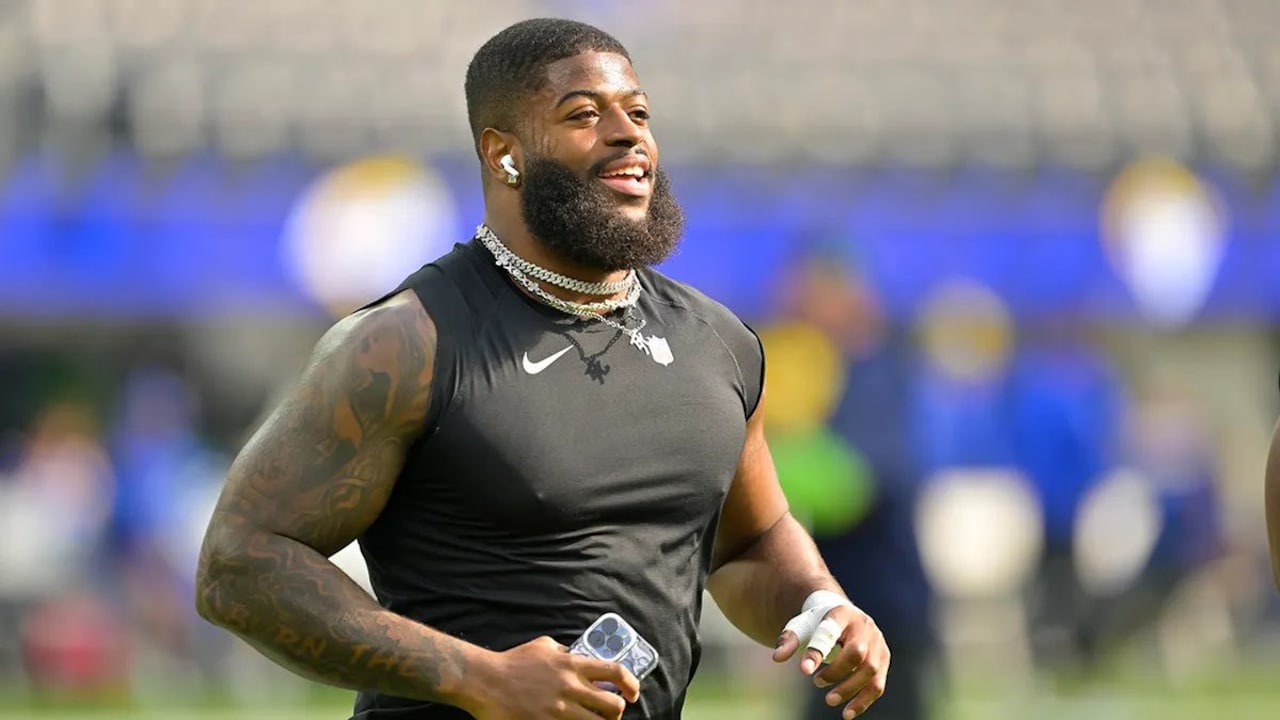
Jared Verse opens up about a mental block and the psychiatrist helping him through it.© Image via: X/@NFL
Cleveland Browns defensive end Jared Verse has not recorded a sack this season. He has no forced fumbles and no fumble recoveries either. Most players in that spot hide the struggle and hope it passes. Verse did the opposite. He told reporters he hit a mental block, then named the person helping him through it: team psychiatrist Mayur Pandya. The admission took seconds, yet it landed with weight across the league. A 26-year-old pass rusher treated his mind like a muscle that needed real work, and the whole sports psychology world noticed it right away.
Jared Verse Explains The Mental Block Behind His Cleveland Browns Slump
The words came on Thursday, and they were plain. Verse made clear the problem was not his body.
"I think it was definitely a mental block," Verse said. "I train my body every day to push myself to the limits of what I'm physically capable of doing. So I don't think it was any issue with my body, but I think I've taken the steps to figure out what it was."
He kept the details private. He did say the sessions gave him answers, and he sounded upbeat about what comes next.
"I took a lot of time for self-growth. I met with Dr. Pandya a little bit, and I figured out what my issue was."
#Browns Jared Verse says that he believes he has found his issue with his play. Says that he believes he had a mental block that a Browns psychiatrist helped him overcome. https://t.co/nFdgPl0Wbi
— Coop (The Real Justin Cooper) (@JJCoop25) November 12, 2026
The backdrop matters. Verse arrived in Cleveland in the deal that sent Myles Garrett to the Los Angeles Rams, with the Browns also collecting a 2027 first-round pick. Following a star carries heavy expectations. Fans want sacks, and Verse wants them too.
Why Jared Verse Talking About A Psychiatrist Matters Across The NFL
Athletes spend hours training their bodies and minutes training their minds. Mental performance coach Jeff Troesch has watched that gap for nearly four decades. Players tell him the game is at least half mental, yet far less of their practice reflects it. Many wait until trouble hits.
"It's like, 'I'm good, I'm good. I'm good,' until they're not good," Troesch said.
That is why Verse's openness stands out. Los Angeles Chargers fullback Alec Ingold said the idea would have been unthinkable not long ago.
"No one would have sought it eight years ago when I was a rookie, and no one would've spoken about it publicly, especially a superstar alpha dog defensive lineman," Ingold said.
Justin Anderson, founder of Premier Sport Psychology in Minnesota, sees the same shift.
"I feel like it's the stigma starting to melt," Anderson said.
Not everyone reads it as progress. Some in the NFL may still view it as weakness, and Verse seems to know it. He drew a line at the extreme, joking that he would not train with a monk.
Whether he finally gets that first sack for the Browns will play out on Sundays. The bigger result is already in. A star defender asked for help, said so out loud, and kept going. For young players watching, that example may be worth more than any stat line.
KioskNews shows a cleaned-up reading view extracted from the publisher’s page — the original always lives on their site, not ours.