Amid Brics Summit all-vegetarian fare row, what new book says about banquets
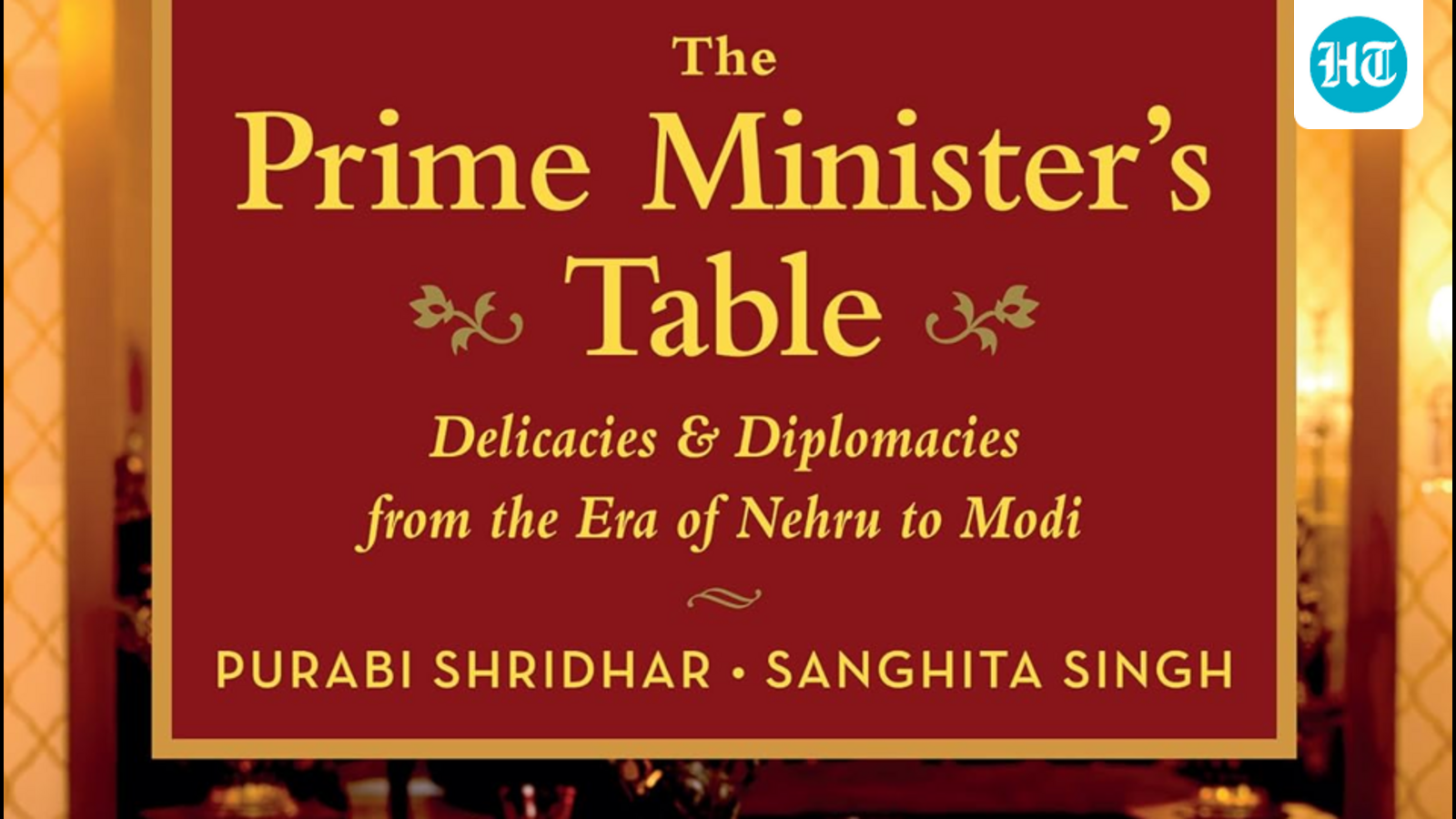
What India serves its guests at official tables has drawn fresh interest since the all-vegetarian fare at the Brics Summit this month triggered controversy. A new book on prime ministers’ tables shows the menu has reflected each leader’s tastes and politics since Jawaharlal Nehru began to Indianise state banquets in the late 1940s.
“Why cannot you give them biryani?” Indira Gandhi asked when a turkey roast appeared on the draft menu for the 1983 Commonwealth Heads of Government Meeting (CHOGM), recalls chef Sudhir Sibal in the book. The kitchen obliged.
Journalists Purabi Shridhar and Sanghita Singh’s ‘The Prime Minister’s Table: Delicacies and Diplomacies from the Era of Nehru to Modi’ draws on over seven years of interviews with families, friends, staff and chefs. The authors say they “entered the homes and hearths of the prime ministers” for the book’s 14 chapters.
The book quotes Prime Minister Narendra Modi as preferring very simple meals.
Post-Independence, Nehru changed the form of state banquets. Garlands replaced bouquets, and Indian dishes entered the menu. Toasts were raised in orange juice, artist Anjolie Ela Menon wrote in an account the book cites. Her aunt Tara Ali Baig, wife of Nehru’s chief of protocol, helped Indira Gandhi draw up the new pattern. A 1956 office note said Nehru was “not used to spice and chillies at all.”
In 1962, when Uttar Pradesh chief minister Chandra Bhanu Gupta asked for a wholly vegetarian menu for a Lucknow reception, chef Imtiaz Qureshi built one from bottle gourd “fish,” jackfruit “murgh musallam” and brinjal as chicken legs. Nehru teased Gupta about the names, then told the chef: “Imtiaz, you truly broke the record.”
Indira Gandhi finalised menus and guest lists. She circulated small scissors for grapes, and sent young lawmakers to a dining etiquette class. “...she was a great host,” says former Union minister Margaret Alva.
Under Rajiv Gandhi, banquets turned to plated nouvelle cuisine, featuring plated dishes assembled in the kitchen. Chefs Sibal and MS Gupta trained in Britain for three months, and baby naans with chicken liver pate, tomato-coconut soup and carrot-orange soup entered state dinners. “Rajiv Gandhi should not get all the credit,” says Sibal, who says Sonia Gandhi supervised everything from crockery to flowers.
At a Kerala chief minister or governor’s dinner, Lal Bahadur Shastri, then a union minister and a strict vegetarian, said his son Anil Shastri “will enjoy his meal if he eats with his hand”.
Morarji Desai’s teetotalism reshaped banquets abroad. Former foreign secretary K Raghunath recalls toasts were raised in mineral water for Desai at a 1977 dinner of Soviet politician Leonid Brezhnev as the Russians knew he shunned alcohol, and none was served.
Charan Singh’s table ran on bottle gourd. V P Singh’s wife Sita Kumari says: “I never attended any of his official dinners.” Chandrashekhar’s banquets for the Special Protection Group served no alcohol. The three held office for about two years combined.
P V Narasimha Rao’s doctor advised dal and phulka or flatbread. “His usual food used to be served even at state banquets,” says MS Gupta, who recalls a cook assigned to make fresh phulkas at Hyderabad House. H D Deve Gowda raised toasts abroad without drinking. At a lunch for IMF chief Michael Camdessus, he swallowed a ragi ball with water, “against dining etiquette,” says Gowda aide Kunwar Danish Ali.
Atal Bihari Vajpayee brought street food to the prime ministerial table. Chaat and jalebi from Chandni Chowk were served at his private parties, says Rajiv Makin, a former The Ashok Hotel general manager. Serve golgappas with the water in a separate pot, Vajpayee asked: “How do I have them?” At the banquet for Pervez Musharraf’s Agra summit visit, Mrs Musharraf asked for the mulligatawny soup recipe.
I K Gujral had two menus. His wife Sheila, a noted hostess, wanted less ghee and oil, but at state banquets it was “rich food for the guests,” MS Gupta says, with lighter meals for the prime minister. The Ashok Hotel presented both versions.
Manmohan Singh’s wife Gursharan Kaur curated menus and called chefs home to show how ghiya koftas should be softened. “How could I expect my guests to be happy?” she says of food she disliked. Singh made 73 foreign visits in 10 years, about seven a year, including a 2009 White House state dinner that served green prawn curry.
Narendra Modi’s official menus follow his vegetarian diet. Israel served him an Indian vegetarian dinner in 2017, and chef Sanjeev Kapoor cooked his 2015 UAE banquets. “To know a country’s culture, you’ve to eat its food,” Kapoor quotes Modi as saying.
Protocol sets the limits. Sibal says state banquets are “all regimental and protocol bound.”
KioskNews shows a cleaned-up reading view extracted from the publisher’s page — the original always lives on their site, not ours.