8 1980s Sitcoms That Have Aged Horribly

Adrienne Tyler is a movies & TV features writer, with a focus on horror. She has written for Netflix, FanSided, & more. She was a regular guest on the Netfreaks podcast and was a YouTuber at some point. Guillermo del Toro said “hi” to her once.
Sign in to your ScreenRant account
Mentions of sexual assault, abuse, misogyny, and body-shaming.
The 1980s saw some of the best TV shows of all time, especially sitcoms, and while many of them are now classics and some of the most influential TV shows ever, many others have aged quite badly. One of the most popular genres on TV is sitcoms, thanks to their combination of comedy, relatable characters and situations, and a touch of drama here and there. Many of the best sitcoms of all time had their start or their entire run in the 1980s, and were key to shaping this genre.
Sitcoms like Cheers, The Golden Girls, Full House, and ALF are some examples of the great TV shows that arrived in the 1980s, with others like Roseanne and Seinfeld having their start in the 1980s and reaching their peak in the 1990s. Sitcoms from the 1980s were driven by ensemble casts through which the concept of “chosen family” was explored, and despite their light tone, they often addressed real and mature themes.
However, while many of them left their mark and became classics, it has to be said that they haven’t aged well. It’s not just the quality of the shows that feels outdated, but the themes they covered, some character traits, and many jokes that have cast a dark shadow over them. In some specific cases, these shows were also negatively impacted by real-life incidents that have further made them age horribly.
Growing Pains (1985-1992)

Created by Neal Marlens, Growing Pains aired on ABC from 1985 to 1992 for seven seasons. Growing Pains introduced viewers to the Seaver family: psychiatrist Jason (Alan Thicke), his wife and reporter Maggie (Joanna Kerns), and their children Mike (Kirk Cameron), Carol (Tracey Gold), and Ben (Jeremy Miller). When Maggie returns to work, Jason begins working from home while also taking care of their children.
The oldest son, Mike, was portrayed as the rebellious, ladies’ man, troublemaker of the family, but the show went too far in season 4. Gold gained weight between seasons 3 and 4, and the writers of Growing Pains decided to make her the target of fat jokes from her siblings, particularly Mike. On top of that, Growing Pains has gender dynamics that, if the show were made today, would raise many red flags.
Three’s Company (1977-1984)

Based on the British sitcom Man About the House, Three’s Company aired on ABC for eight seasons, from 1977 to 1984. Three’s Company follows florist Janet (Joyce DeWitt) and secretary Chrissy (Suzanne Somers), who share a small apartment in Santa Monica, California. When their roommate Eleanor moves out, they offer her spot to culinary student Jack (John Ritter) to help them with the rent. However, their landlord won’t allow unmarried men and women to live together, so they tell him that Jack is gay.
Of course, Jack has to carry on with that lie to keep everyone out of trouble, and so he pretends to be gay whenever the landlord is around. The problems of Three’s Company and the reason why it only keeps getting worse and worse are very clear, as they’re all about its concept. Three’s Company fell into harmful stereotypes of the LGBTQ+ community and very bad jokes, in addition to terrible treatment of its female characters.
Charles in Charge (1984-1990)

Created by Michael Jacobs and Barbara Weisberg, Charles in Charge aired on CBS for five seasons, from 1984 to 1990. Charles in Charge follows 19-year-old Charles (Scott Baio), who, needing a place to live while attending school, makes a deal with the wealthy Pembrokes to live with them while looking after their children Jason, Douglas, and Lila.
A 19-year-old guy babysitting two kids and one young teen, and later a college Charles looking after a high school girl is enough to raise many eyebrows, but what makes it worse is what happened behind the scenes. Baio was accused of sexual harassment by two of his young co-stars during the show’s run, which definitely puts the whole show in a different light.
Diff’rent Strokes (1978-1986)
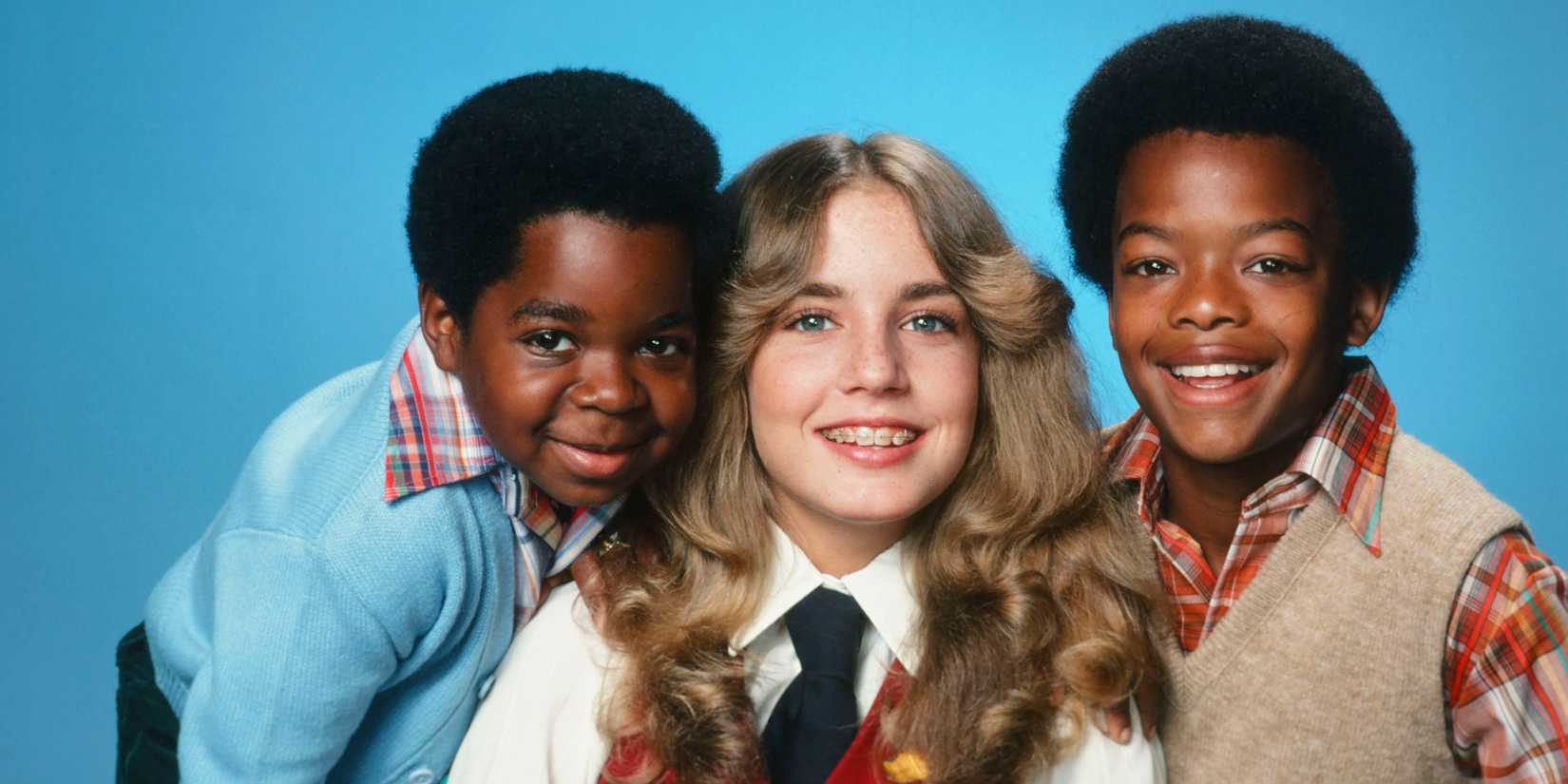
Created by Jeff Harris and Bernie Kukoff, Diff’rent Strokes aired on NBC and ABC from 1978 to 1986 for eight seasons. Diff’rent Strokes follows brothers Arnold (Gary Coleman) and Willis Jackson (Todd Bridges), who, after their mother passes away, are taken in by the wealthy Drummond family, for whom their mother worked as a housekeeper. The brothers move from Harlem into the Drummonds’ Park Avenue penthouse and have to adapt to a new family, lifestyle, dynamic, and cultural differences.
Although Diff’rent Strokes left its mark by addressing important topics like racism, abuse, and substance-use disorder, the way it did so wasn’t always the most appropriate. Diff’rent Strokes has been called a “white savior” type of TV show, and many of its jokes don’t work today as they make fun of the Jackson siblings, their upbringing, and their struggles.
Married…with Children (1987-1997)

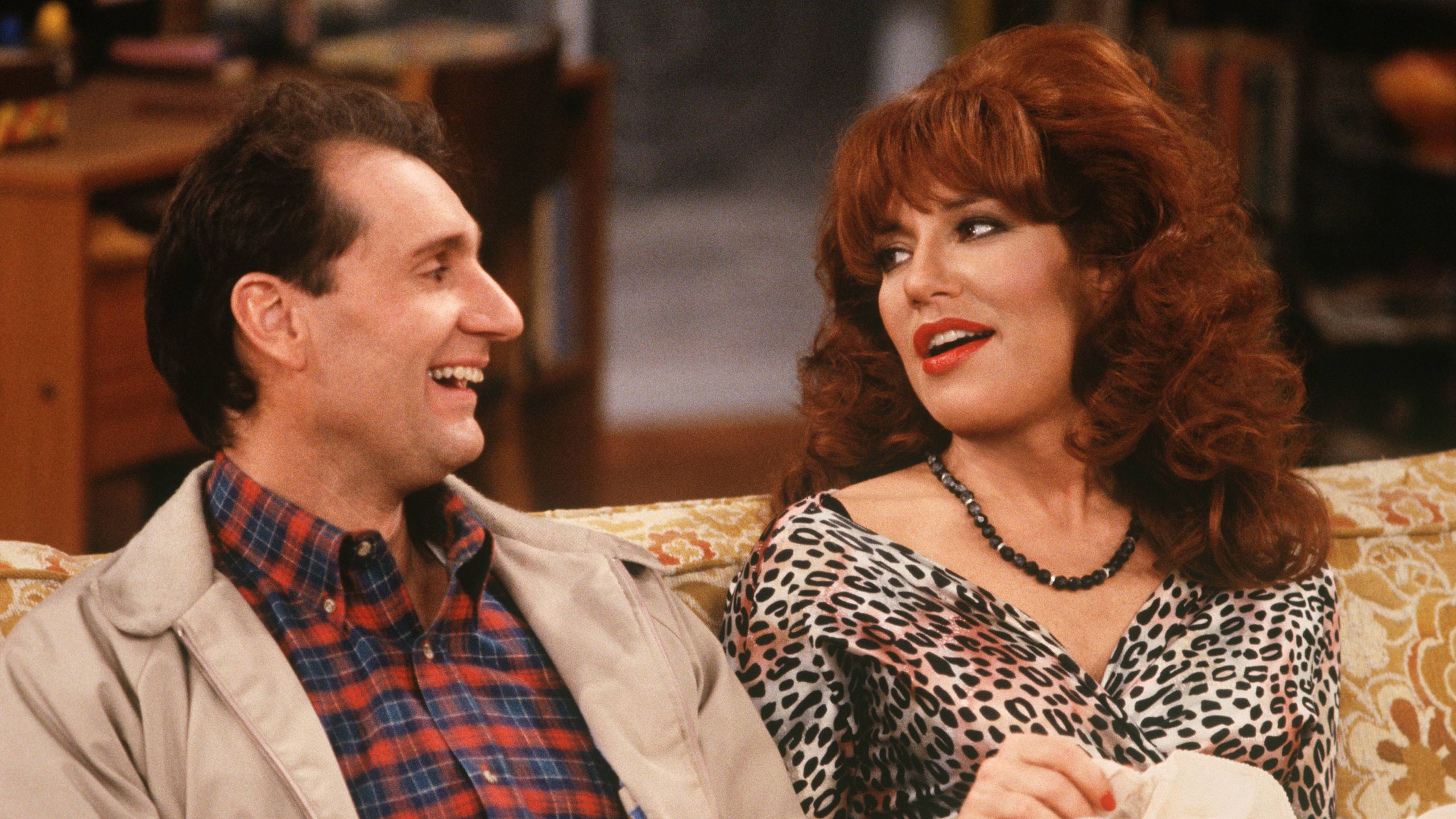
Created by Michael G. Moye and Ron Leavitt, Married…with Children aired for 11 seasons on Fox, from 1987 to 1997. Married…with Children centers on the Bundy family, formed by Al (Ed O’Neill), his wife Peggy (Katey Sagal), and their children Kelly (Christina Applegate) and Bud (David Faustino). Al is a bitter salesman who peaked in high school and is now unhappy with his life. Married…with Children follows the Bundys’ daily life and their daily struggles.
The point of Married…with Children was to fire shots at wholesome family tropes, which were very common in sitcoms, and it relied a lot on cynicism and dark humor. However, although all that was a strength at some point, Married…with Children is now an uncomfortable show to watch or rewatch, as its jokes, which often use fat-shaming, body-shaming, and were quite misogynistic, are not appealing.
The Golden Girls (1985-1992)

Created by Susan Harris, The Golden Girls aired on NBC from 1985 to 1992 for seven seasons, and while it’s one of the most popular TV shows of all time and was very important during its original run, time hasn’t been kind to it. The Golden Girls takes the audience to Miami to follow Dorothy (Beatrice Arthur), Rose (Betty White), Blanche (Rue McClanahan), and Sophia (Estelle Getty), four older women who live together and navigate their “golden years” together.
Question 1 of 3
The legacy of The Golden Girls can’t be denied, but it has to be said that it hasn’t aged well for one big reason: how it portrayed the characters’ ages. The characters were either in their 50s or 60s (except Sophia, who was Dorothy’s mother), and yet they were treated as if they were way older. Surely, the perception of what was “old” and how that part of one's life should be lived was very different in the 1980s, and that’s exactly why this key element of the show now feels very outdated.
Bosom Buddies (1980-1982)

Bosom Buddies was created by Chris Thompson, Thomas L. Miller, and Robert L. Boyett, and aired on ABC from 1980 to 1982 for just two seasons. Bosom Buddies follows Kip (Tom Hanks) and Henry (Peter Scolari), who, after their apartment is demolished, decide to disguise themselves as women so they can live at the Susan B. Anthony Hotel, which is for women only. Of course, Kip and Henry go to lengths to maintain their lie.
It’s not hard to see why Bosom Buddies hasn’t aged well. Two men disguising themselves as women so they can live in a women-only building isn’t something that works well on TV anymore (and it certainly didn’t work back then, as Bosom Buddies didn’t run for long), and it only perpetuates harmful gender stereotypes.
The Cosby Show (1984-1992)

The Cosby Show went from being a beloved TV show to one that everyone wishes they could forget. The Cosby Show aired for eight seasons on NBC from 1984 to 1992, and it focuses on the Huxtable family, led by Cliff (Bill Cosby). The Cosby Show, then, follows their daily lives with a lot of humor and some valuable life lessons. While The Cosby Show surely has some outdated storylines, it has aged horribly due to everything Cosby did behind the scenes.
In 2014, multiple sexual assault cases against Cosby emerged, casting a huge shadow over the show to the point where the show was removed from syndication. Allegations against Cosby began in the 1960s, but they gained attention decades later.

- Release Date
- 1984 - 1992-00-00
- Network
- NBC
- Directors
- Jay Sandrich, Chuck Vinson, Malcolm-Jamal Warner, Oz Scott, Alan Smithee
- Writers
- Bill Cosby, John Markus, Gary Kott, Janet Leahy, Mark St. Germain, Ehrich Van Lowe, Adriana Trigiani, Ed. Weinberger, Lisa Albert, Michael J. Leeson, Oliver Hailey, Thad Mumford
-

Bill Cosby
Heathcliff Huxtable
-
Phylicia Rashad
Clair Huxtable
KioskNews shows a cleaned-up reading view extracted from the publisher’s page — the original always lives on their site, not ours.