Palestine Action law drives terror arrests to ten times Troubles level, analysis shows
Counter-terrorism arrests in Great Britain are now ten times higher than during much of the Troubles, following the controversial ban on Palestine Action, according to a new analysis.
There were 3,867 arrests in the year to June 2026, compared to an average of 352 a year between 1974 and 1995 as terrorists carried out a series of atrocities in England including the Brighton and Warrington bombs.
The current figures dwarf even the years with the highest number of arrests, 1975 and 1976, when there were 1,067 and 1,076 respectively, while the total over the more than two decade stretch was 7,762.
The scale of the spike, driven by the proscription of Palestine Action last July under the Terrorism Act 2000, has prompted warnings the ban on expressing support for the group is “grossly counterproductive”, bringing the law into disrepute and having a chilling effect on free speech.
Of the 3,867 arrests, 3,630 were linked to support for Palestine Action, according to official figures.
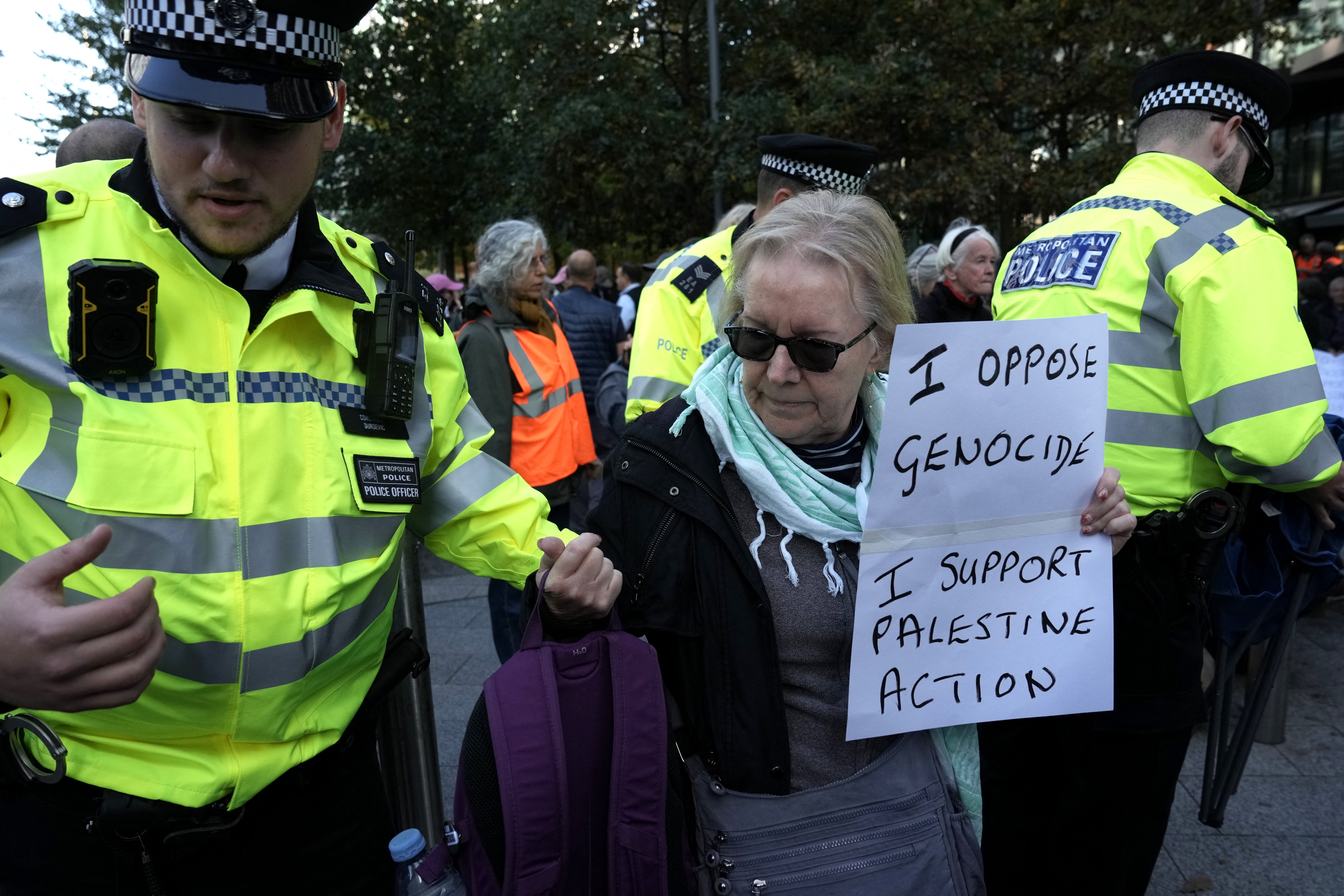
Sir Mark Rowley, the Metropolitan Police Commissioner, has previously warned that building cases against the sheer number of protesters arrested for supporting the group is placing a “big burden” on counterterrorism officers.
Thousands of people have protested the terror ban by holding up signs saying “I oppose genocide, I support Palestine Action” – an act that is now an offence under terrorism legislation.
Half of the more than 500 people arrested at a demonstration relating to the group in London last August were aged over 60, while nearly 100 were in their 70s and 15 were in their 80s, according to police figures.
Akiko Hart, director of Liberty, which carried out the analysis, said: “These alarming figures show just how far the use of counterterror powers have been expanded in the past year. The government’s current definition of terrorism is so wide-ranging it captures behaviour most people would never consider terrorism.
“This case will continue to have a chilling effect on free speech – leaving many too afraid to say the wrong thing.
"When it’s not clear what counts as terrorism, public trust collapses and without trust, counter-terror laws simply won’t work.”
After the arrests last August, civil liberties groups including Amnesty and Liberty accused the government of a measure they described as “disproportionate to the point of absurdity”.
But the government has defended banning Palestine Action as a terrorist organisation, insisting that it is not a "non-violent protest group".
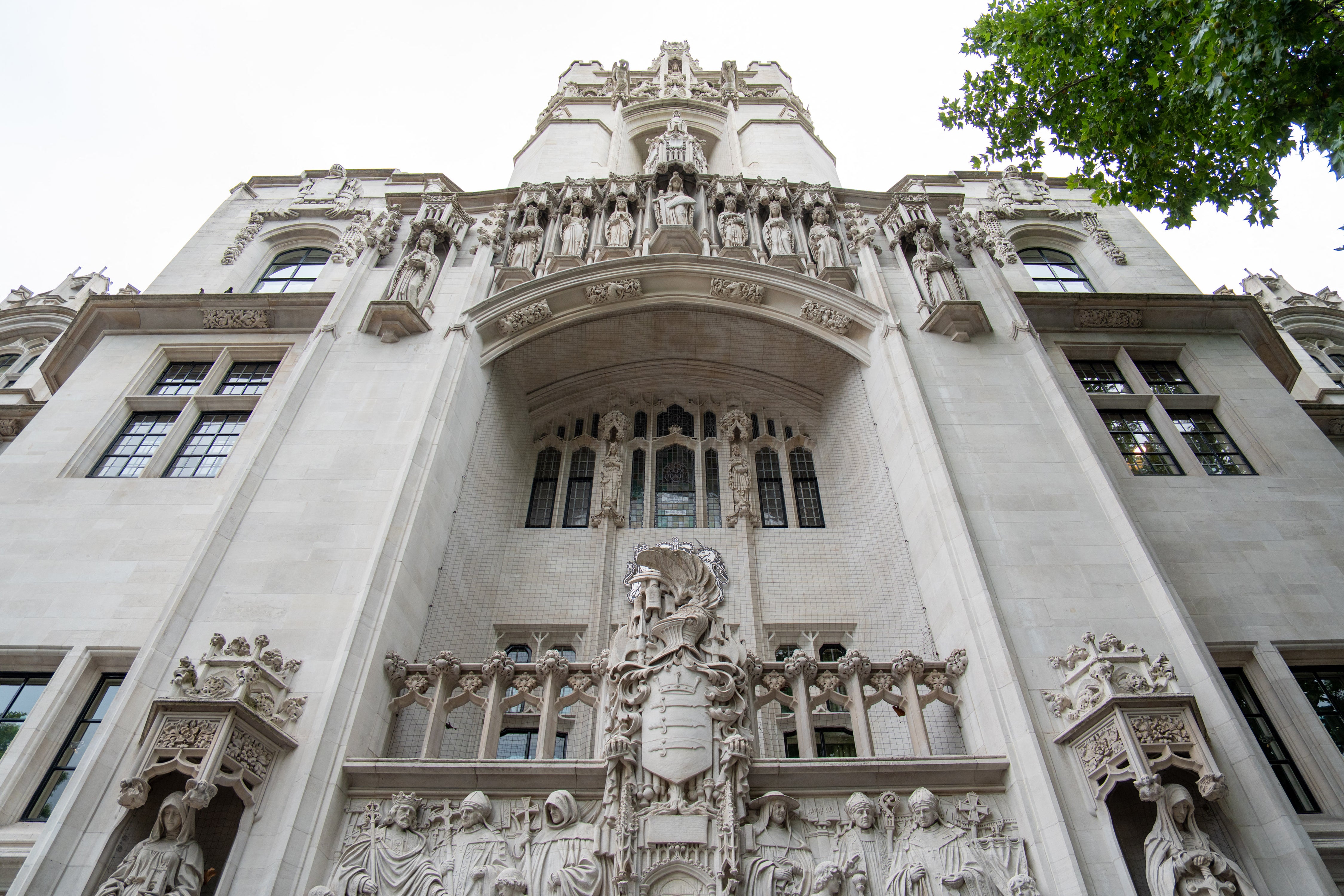
The Supreme Court is expected to issue a judgement shortly after an appeal against its designation as a terror group was heard earlier this month.
The figures look at arrests in Great Britain, excluding Northern Ireland, where a number of powers were in force during the Troubles, initially under the Prevention of Terrorism (Temporary Provisions) Act, which was brought in 1974 after the Birmingham pub bombings killed 21 people.
The IRA launched a series of bombing campaigns in England during the Troubles, in an attempt to bomb the British out of Ireland.
As well as the Birmingham bombings, major attacks included the 1982 Hyde Park and Regent's Park bombings, which killed 11 soldiers and wounded 50 soldiers and civilians.

In 1984, the IRA used the Brighton bomb to try to assassinate the then prime minister Margaret Thatcher and her cabinet, killing five. Eight months later the man who planted the bomb, IRA member Patrick Magee was arrested in Glasgow.
In 1993, the Warrington bomb killed two young children, Tim Parry and Johnathan Ball, and left 56 injured.
Shami Chakrabarti, a former director of Liberty, who was Labour’s shadow attorney general between 2016 and 2020, said: “The 2000 Act definition of Terrorism was always considered broad, but Labour ministers promised it would be used with care. Whatever the Supreme Court decides about the legality of the Palestine Action proscription, it has proved grossly counterproductive in practice. It has brought more people to the streets, wasted police time, and brought the law into disrepute. Andy Burnham’s government is surely capable of thinking again.”
Max Wilkinson, Lib Dem Home Affairs spokesperson, said: “When the Conservatives introduced these new terrorism powers, it was the Liberal Democrats who warned that they threatened free speech and civil liberties.
"Sadly, those concerns are now being realised under a Labour government that has adopted the Conservative playbook rather than standing up for people’s rights."
A government spokesperson said: “These figures are not comparable. The Terrorism Act was brought to law in 2000, which makes clear that showing support for a proscribed organisation is against the law.
“Cynical attempts to overwhelm the criminal justice system are unacceptable and it is absolutely right that the police and Crown Prosecution Service continue to uphold the rule of law.”
KioskNews shows a cleaned-up reading view extracted from the publisher’s page — the original always lives on their site, not ours.