Ex-Fatah strongman Dahlan may join with Hamas to challenge Abbas at ballot box
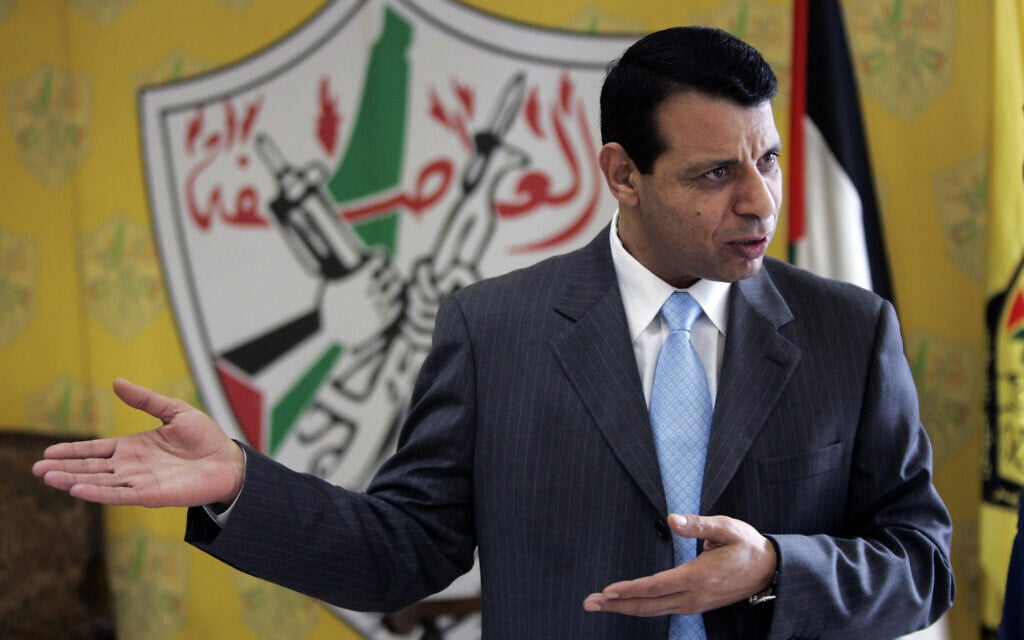
A former Fatah strongman exiled from Gaza is in talks to form a political alliance with leading terror organizations Hamas, Islamic Jihad and the Popular Front for the Liberation of Palestine to run in planned Palestinian elections, a spokesperson for Dahlan’s breakaway faction has confirmed to The Times of Israel.
Dahlan, once a top figure in Fatah, was ousted from the political movement led by Palestinian Authority President Mahmoud Abbas nearly two decades ago, but continues to play an outsized role as a powerful fixer in Palestinian and Gulf politics.
Though the leading Abbas critic would likely remain behind the scenes from his Emirates perch, the formation of an alliance under his Fatah Reformist Democratic Faction could give Hamas and other armed groups that could be banned from the vote an avenue to participate under another name, creating a significant challenge to Abbas’s long-running rule over the PA.
0:00 / 0:00
Promoted: Theatron Hotel and Residences

This week, Islamic Jihad Deputy Secretary General Mohammed al-Hindi told the AP that his group had agreed to form a unified slate with Hamas as well as Dahlan.
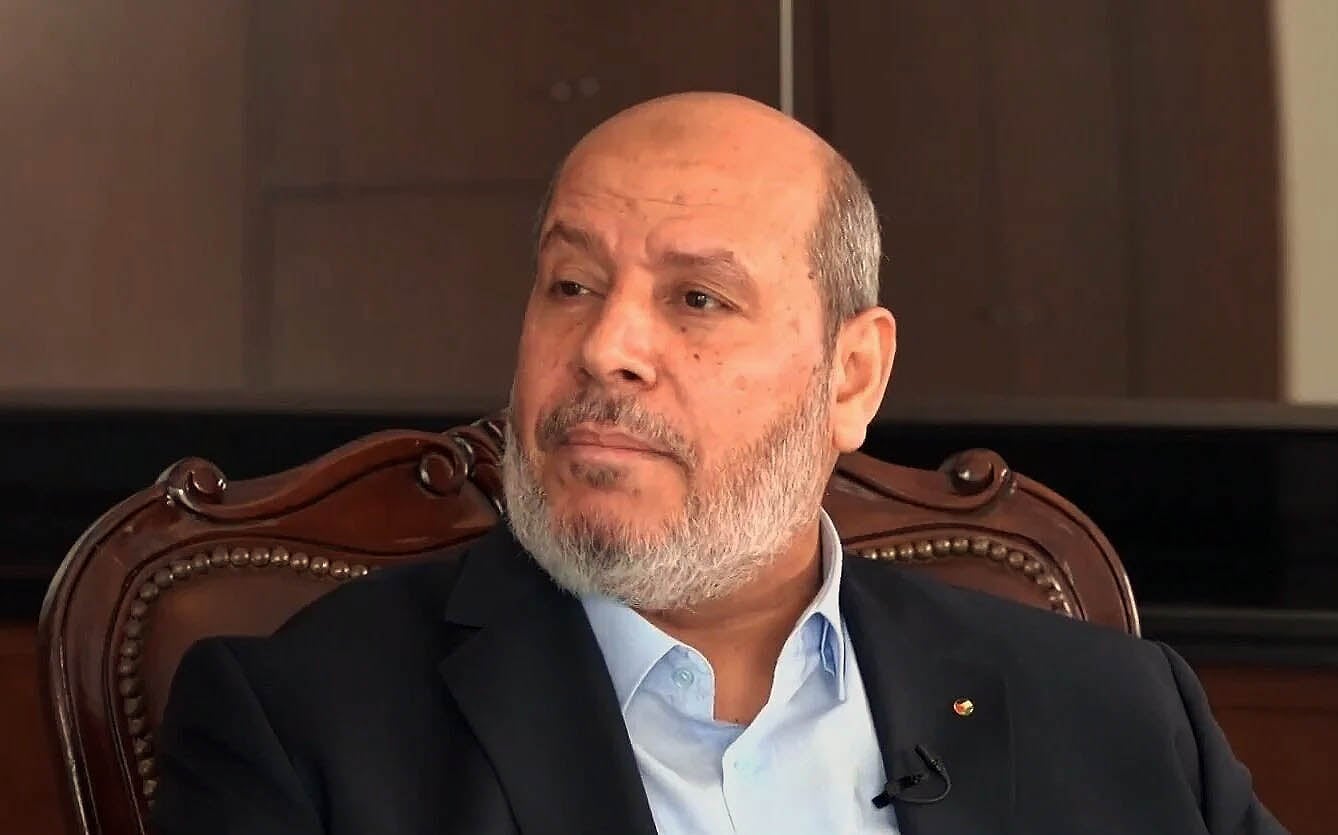
And in an interview on September 26, Hamas leader Khalil al-Hayya said his movement would participate in parliamentary elections scheduled for late November as part of a “national coalition,” but did not elaborate.
Get The Times of Israel's Daily Edition by email and never miss our top stories
By signing up, you agree to the terms
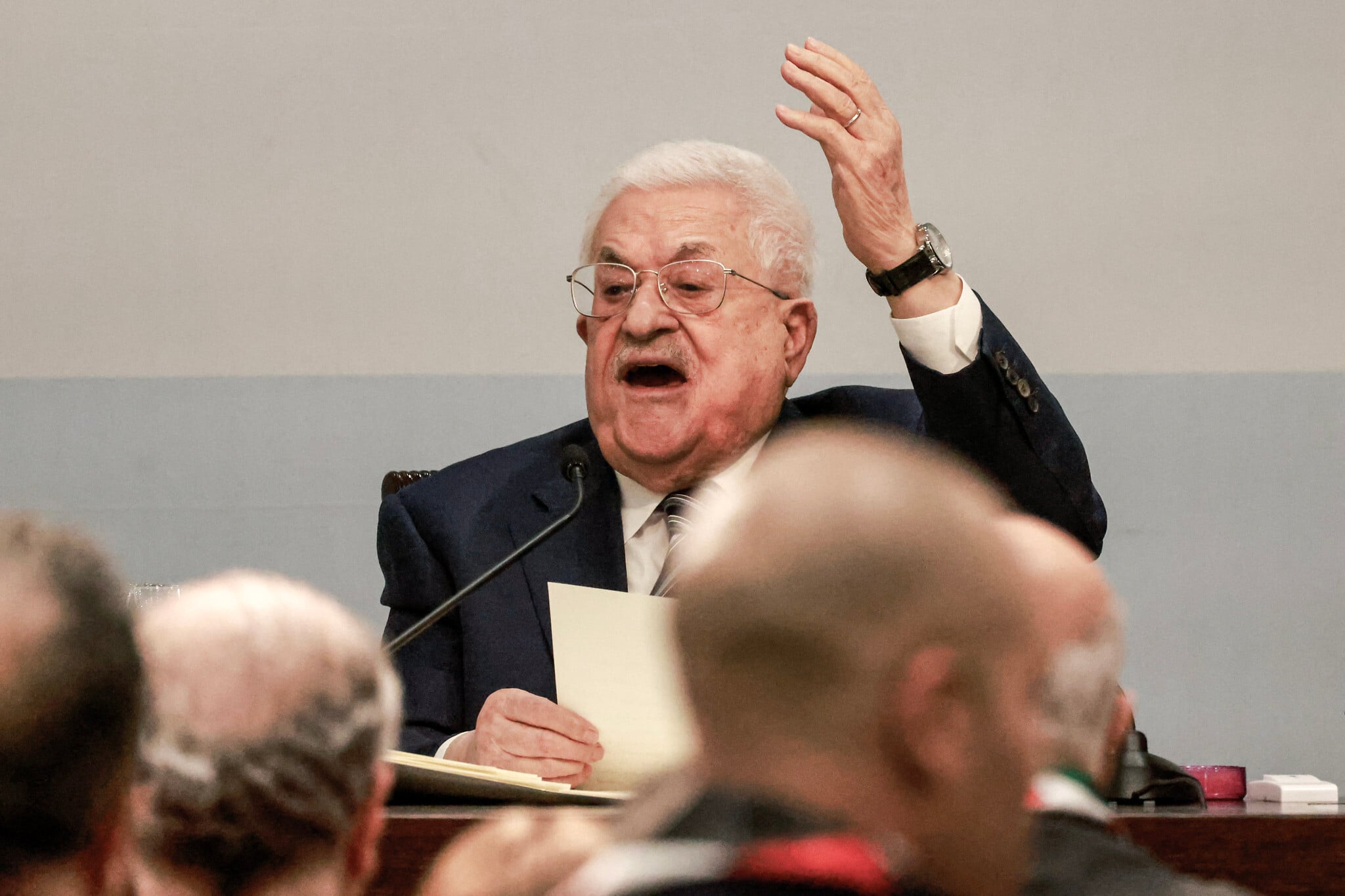
Abbas has said parliamentary elections will be held November 28 in Gaza and the West Bank. But he has repeatedly delayed elections, most recently in 2021, when Fatah appeared headed for defeat.
When Hamas won the last elections, in 2006, Israel and Western countries boycotted its government, fueling months of unrest that led to its takeover of Gaza the following year.
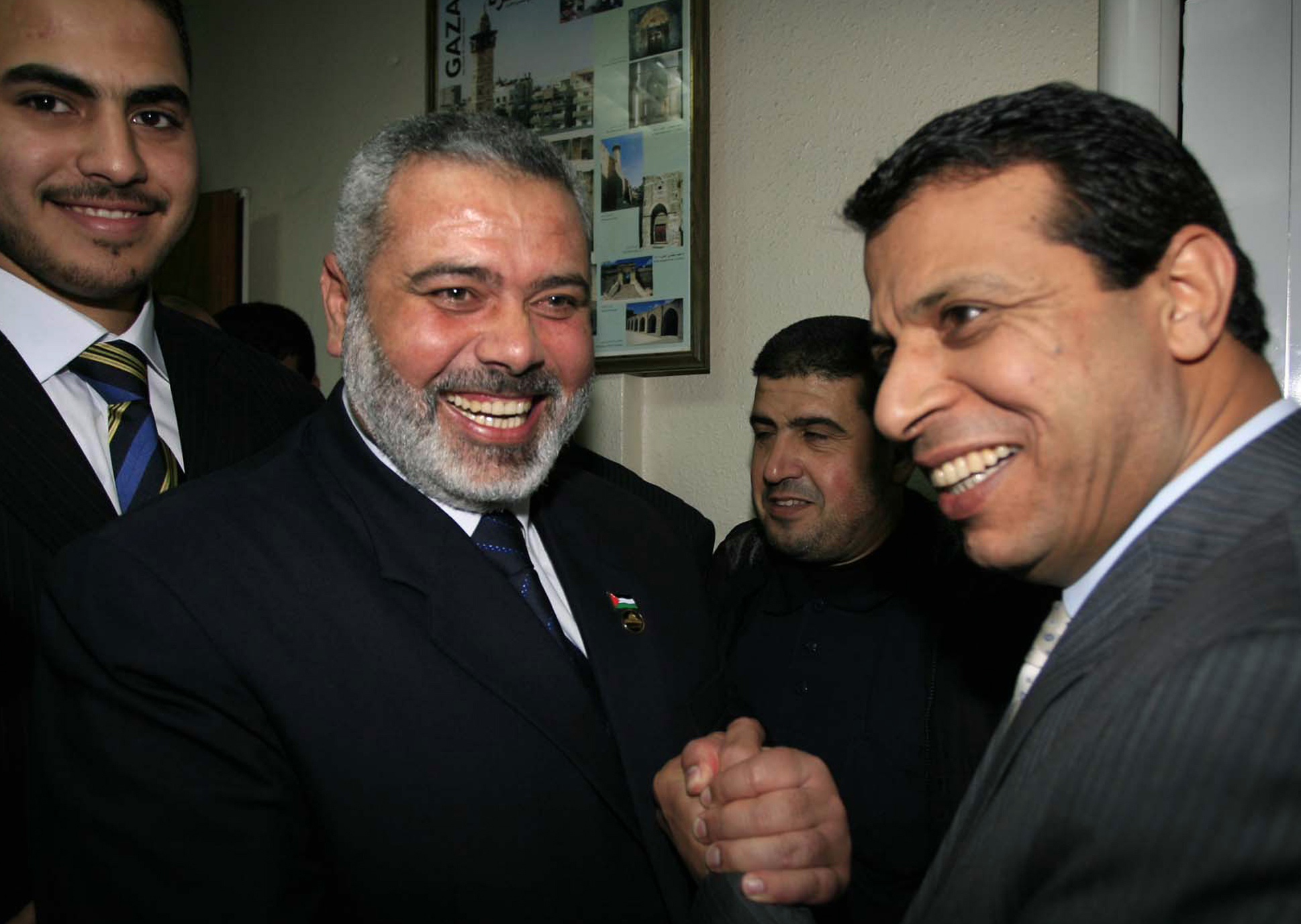
An overt alliance between Hamas and Dahlan would mark an unusual turn for the longtime foes.
Dahlan, who once served as the PA’s security chief in Gaza, spent years hunting down Hamas members, and remains critical of the group. But the sides have also maintained behind-the-scenes ties in recent years, particularly given that Dahlan retains a base of supporters in Gaza that has persisted throughout nearly two decades of Hamas rule.
Hamas said in August that al-Hayya had met Dahlan in Cairo and discussed ways to “end the monopolization of national decision-making and formulate a comprehensive national strategy.”
The Iran-backed Islamic Jihad has a long history of working alongside Hamas. Its participation in elections, however, would mark a departure from its previous position eschewing Palestinian elections as part of a hardline stance that wholly rejects the Palestinian Authority framework.
“We have initiated efforts that included Hamas, PIJ, the PFLP and other factions and independent professionals to rally around one national recovery and rebuilding program,” said Dimitri Diliani, a spokesperson for Dahlan’s faction.
He said that while there may be political differences with Hamas, the latter’s ideology is a part of Palestinian society and therefore cannot be completely ignored.
He also noted that Hamas has already agreed to US President Donald Trump’s 20-point plan for ending the Gaza war, which bars it from having any role in the governance of Gaza.
Diliani indicated that any list backed by the emerging alliance would not necessarily include Hamas members, but could instead comprise independent candidates supported by the participating factions.
“An inclusive electoral list is the most appropriate political vehicle for us to unite in facing these challenges and in protecting our people and our national cause. The PA has failed Gaza and the Palestinian people everywhere,” Diliani said.
Al-Hindi as well told the AP the alliance will support a “unified national list” that could be made up of independent figures rather than members of the groups themselves.
However, it is unclear whether the Palestinian Authority will allow the list to run in the elections.
Challenge to Abbas
Dahlan has been based in Abu Dhabi since breaking with Abbas in 2010, serving as a top adviser to United Arab Emirates President Mohammed bin Zayed. He has also become a behind-the-scenes powerbroker with close ties to the US officials trying to advance Trump’s 20-point plan for Gaza.
Egypt recently made an unsuccessful attempt to reconcile Abbas and Dahlan, with the aim of bringing the latter back into mainstream Palestinian political fold, including Fatah.
The Times of Israel has learned that the efforts failed due to Abbas refusing to meet what he saw as excessive demands from Dahlan for representation in Palestine Liberation Organization bodies.
While Diliani said that the Reformist Democratic Faction would like to see Dahlan return from the UAE, he acknowledged that the former strongman has made clear that he does not intend to take an official role in Palestinian politics for the time being.
“Our people know the cost of weakened national institutions and a frail leadership,” Diliani said. “Our vision returns law, accountability and the ballot box to national decision-making.”
The challenge to Abbas posed by the alliance may make it more likely for him to seek its disqualification from elections.
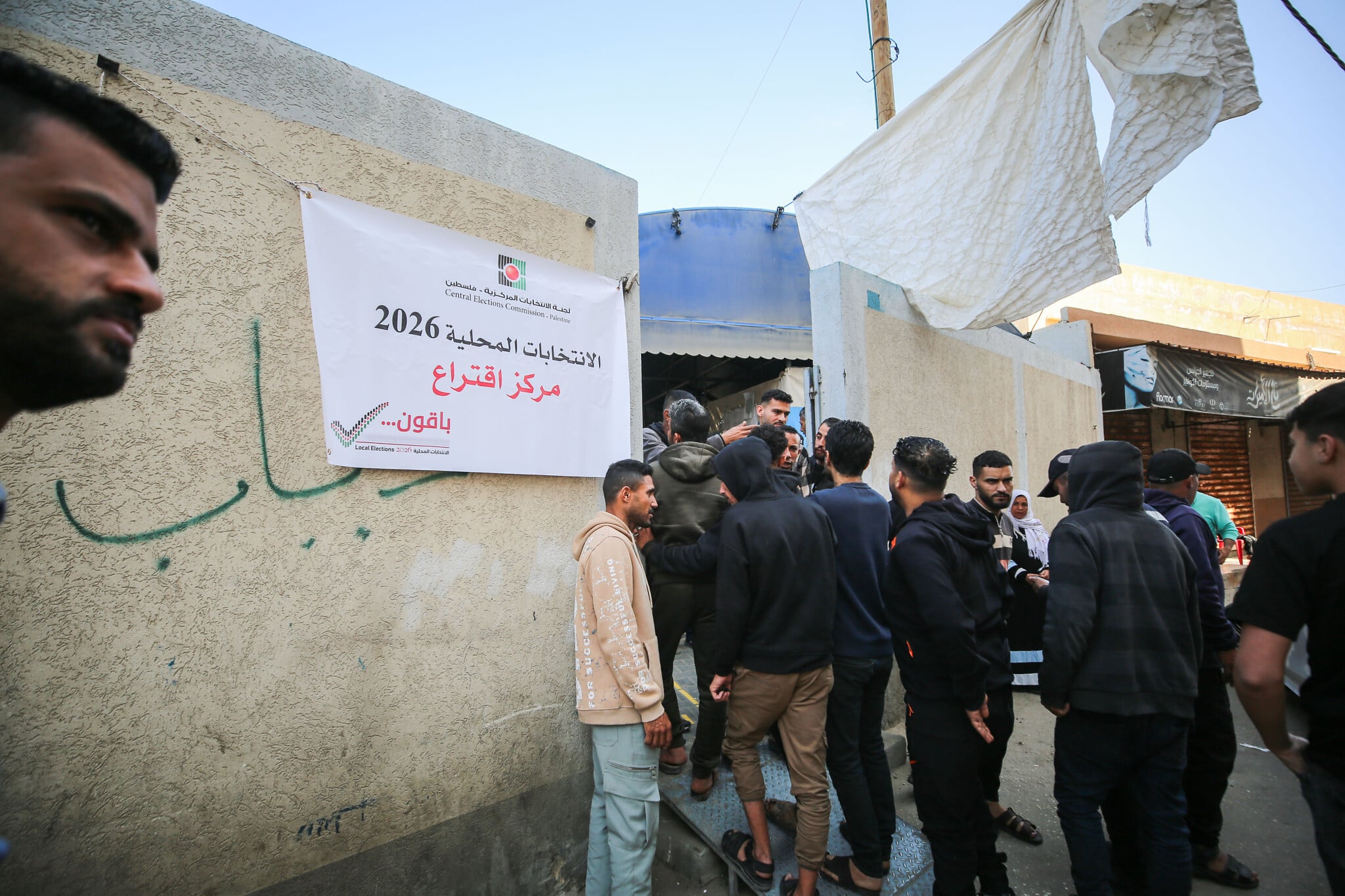
Registration for electoral lists opened several days ago. The Palestinian Central Elections Commission said on September 26 that six lists have already submitted applications to participate, some of them little-known and others representing factions within the PLO, such as the Democratic Front for the Liberation of Palestine and the Palestinian National Initiative.
One list, Masar Jadid, is associated with Fatah figures who oppose Abbas’s current policies.
Samer Sinijlawi, who heads the list, told the Times of Israel that “we are challenging entrenched political forces and trying to create meaningful space for a new generation of Palestinians, particularly young people and women.”
None of the lists have thus far been approved.
The Palestinian Authority has not explicitly addressed whether Hamas will be allowed to run in the elections. However, Hamas did not participate as an organization in the local elections held several months ago, and the prevailing assessment is that the PA will not allow Hamas to run as an organization in the parliamentary elections either.
PLO pledge
Holding elections is among a package of reforms that the international community — led by the United States and the European Union — has demanded of the PA over the past year, as part of efforts to strengthen its standing as the body representing the Palestinians in the context of a political solution to the Israeli-Palestinian conflict.
Under electoral regulations amended by Abbas, candidates are now required to pledge allegiance to the PLO as the sole legitimate representative of the Palestinian people, and to commit to its political and national program and relevant international resolutions.
There have been multiple attempts over the years to bring Hamas and Islamic Jihad into the Fatah-led PLO, but all have foundered.
A main sticking point has been the PLO’s recognition of Israel. Hamas officials have said they are willing to accept a Palestinian state in Gaza, the West Bank and East Jerusalem, but have stopped short of recognizing Israel, while Islamic Jihad takes a harder line.
It also remains unclear whether the election itself will take place. The last Palestinian parliamentary election was held in January 2006, and the legislature effectively ceased functioning after Hamas seized control of Gaza in 2007. Abbas has since announced elections several times, only for them to be called off before voting took place.
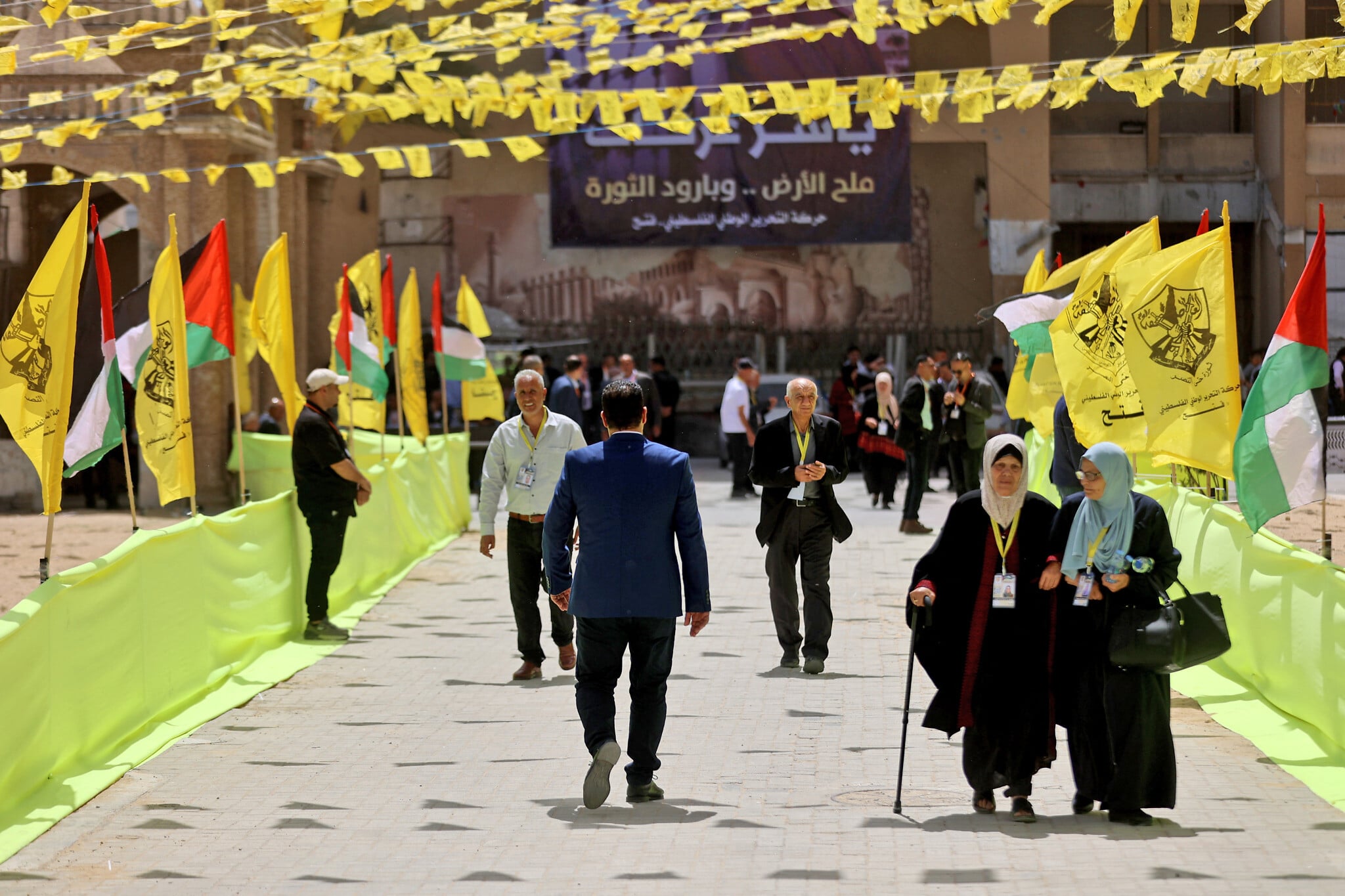
PA officials have continued publicly preparing for the November vote, but have also repeatedly said there can be “no elections without Jerusalem and Gaza” — conditions that could provide grounds for another postponement.
Holding elections in Gaza could face several obstacles — technical ones, such as bringing in the necessary equipment, as well as political ones, including the need for Hamas’s agreement, as the terror group still rules the populated portion of the Strip.
As for Jerusalem, Israel has in the past strongly opposed holding Palestinian elections in East Jerusalem. The issue has been officially cited as the reason for canceling previous elections.
KioskNews shows a cleaned-up reading view extracted from the publisher’s page — the original always lives on their site, not ours.