CRACKS IN THE FAÇADE: Rust and ruin put Gqeberha’s air force history at risk
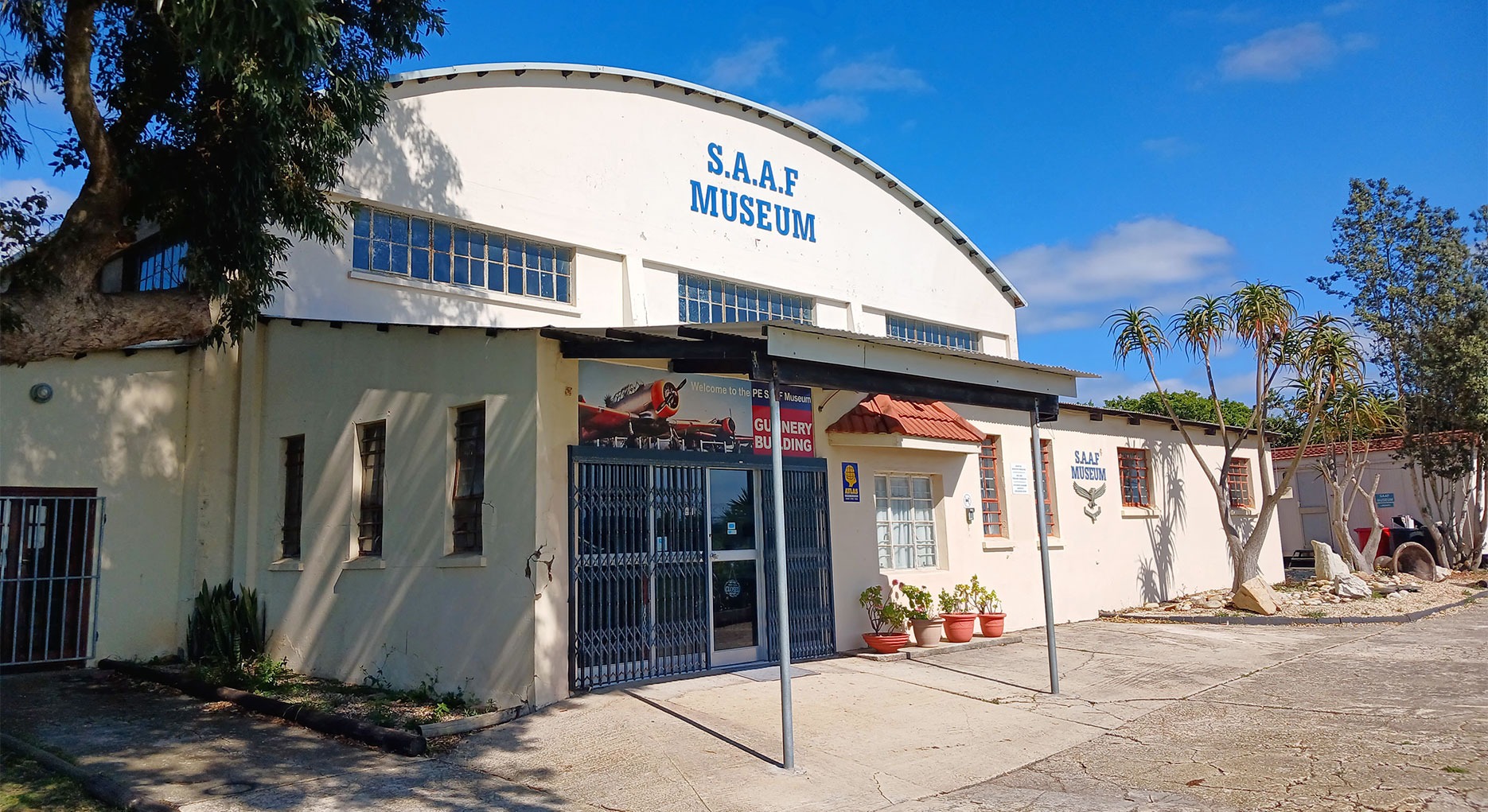
The South African Air Force (SAAF) Museum is one of Nelson Mandela Bay’s hidden historic treasures.
From the exhibits on display, the people running the facility and even the buildings themselves tell stories of South Africa’s Defence Force and the eyes in the sky that played a crucial role in the country’s military prowess.
At first glance, the facility situated behind the Chief Dawid Stuurman Airport looks like a bottomless source of information and intrigue, and a playground for young and old.
But look a bit closer, and you will quite literally see the cracks in the façade. So much so that the volunteers who keep the doors open are concerned for the safety of the people who work there and the visitors who frequent the museum.
Broken windows, cracked walls, corroded metal structures and large, heavy hangar doors that seem to be on the brink of collapse pose a serious risk to people and the priceless historic artefacts housed at the facility.
/file/attachments/orphans/SAAF-Museum-3_295520.jpg "The South African Airforce Museum in Nelson Mandela Bay has a wide range of airforce memorabilia on display, including old aircrafts. The building itself dates back to the Second World War when it served as a training facility for airforce gunners. (Photo : Riaan Marais)
<br>")
The Friends of the SAAF Museum has voiced concern over the lack of maintenance that has led to the deteriorating state of affairs. However, the landlord, Airports Company South Africa (Acsa), said it had recently performed necessary maintenance on the structures, and more work was planned.
42 Air School
While the SAAF Museum was officially opened in 1992, the site at the far end of Forest Hill Drive dates back to the 1940s, when it formed part of 42 Air School. The main building served as a training facility for air force gunners under a joint training scheme between the SAAF and the Royal Air Force during World War 2. In fact, the museum’s main exhibition area is still known as the Gunnery Building.
After the war, the site belonged to the municipality before it was later bought by Acsa as part of planned expansions to turn the existing airport into a major international airport. However, these plans never materialised, and in the early 1990s the site was leased to the SAAF for the establishment of the museum.
“The exhibits in the museum are not limited to any specific era of SAAF history, but show many different craft and artefacts throughout our country’s proud military history,” chairman of the Friends of the SAAF Museum, Peter Clark, said.
/file/attachments/orphans/SAAF-Museum-1_759666.jpg "Chairman of the Friends of the SAAF Museum, Peter Clark, shows some of the historis artifacts on display at the South African Airforce Museum in Nelson Mandela Bay. The museum is in dire need of maintenance to protect the exhibits and visitors. (Photo : Riaan Marais)")
Some of Clark’s fondest childhood memories are of when his father Herbert, a former Air Force pilot, used to train pilots at the facility in the years after World War 2.
He, with other members of the Friends of the SAAF Museum, still remembers the days when the buildings were in their prime, hosted air shows and welcomed engineers to assist with repairs to historic planes.
“Now, we are afraid to bring people into certain sections of the museum. What if a piece of glass falls on someone?
“Also, the leaks in the roof are putting our exhibits at risk. We can do all we can to keep the inside neat and tidy, and keep the planes and artefacts in good nick. But in places the roof leaks like a sieve, and the water could cause irreparable damage,” Clark said.
/file/attachments/orphans/SAAF-Museum-10_730414.jpg "In the main museum building, window frames have corroded to the point where windows have broken, and museum volunteers fear for the safety of visitors as the glass could fall on them at any time. (Photo : Riaan Marais)")
In the main building, major concerns revolve around the corrosion of metal roof sheets and the metal window frames.
Standing inside the building and looking up, the holes where rust has eaten away at the metal roof sheets are clearly visible.
Dangerous corrosion
Large windows run along the upper half of the walls, but many of the panes of glass have been cracked and broken as the metal frames are distorted by worsening corrosion.
Next to the main door to the building, the walls have started to crack around some of the windows as well, and Clark believes that is also caused by the corrosion of the metal window frames where they are built into the walls.
The short walk from the main building to the nearby hangar leads to a worrisome sight.
The metal hangar is covered in the tell-tale brown stains of rust slowly eating away at the structure.
The main hangar door is also a cause for concern, as a large section hangs precariously off to one side. Many of the rails on which the sliding door is supposed to run have been completely eaten away by rust, while the remaining rails have been badly distorted by the worsening corrosion.
/file/attachments/orphans/SAAF-Museum-9_211417.jpg "Sections of the large sliding doors of the SAAF Museum's hangar can no longer open or close properly as the rails have corroded beyond repair. Museum volunteers fear for the safety of visitors as the doors are at risk of collapse. (Photo : Riaan Marais)
<br>")
Standing on the inside of the hangar, dots of sunshine peep through dozens of little holes in the metal sheets. In 1996, during a maintenance project at the facility, the doors were refurbished with old sheets from a dismantled hangar from 47 Air School in Komani.
“They make for a good laugh when we tell visiting children fascinating war stories about enemy aircraft shooting at the hangar, leaving these bullet holes. But the truth is, the holes are just where the old support beams were bolted on,” Clark laughed.
Unfortunately, the holes also make the doors more susceptible to corrosion.
/file/attachments/orphans/SAAF-Museum-6_671166.jpg "Peter Clark, chairman of the Friends of the SAAF Museum, said the doors to the museum's hangar is in dire need of maintenance as it poses a safety risk to volunteers, staff and visitors. The door consists of old repurposed metal sheets, and rails used for opening and closing have started to corrode beyond repair. (Photo : Riaan Marais)")
But these tiny holes and doors that are no longer capable of closing come in handy, seeing as none of the lights in the hangar is operational. The structure has been without power for months since thieves and vandals stole the electrical cables leading to the hangar.
Clark said Acsa did perform some maintenance about two years ago, securing loose roof sheets at the hangar with new metal flashings where they meet the wall sheets. However, no repairs happened at the Gunnery Building.
“The problems are not hard to fix, but they need attention before they become much bigger issues. Unfortunately, we have been struggling to get any feedback from the landlords on what they plan on doing,” Clark said.
/file/attachments/orphans/SAAF-Museum-7_316094.jpg "The metal sheeting on the side of the museum hangar is badly corroded and leaks during inclement weather, putting the historic planes and other exhibits at risk of damage. (Photo : Riaan Marais)")
Responding to questions about the deteriorating condition of the SAAF Museum, Acsa group spokesperson Ofentse Dijoe confirmed that some maintenance work had been performed in November 2024, and said further maintenance was planned for the coming year.
“At present, Acsa is in the process of procuring a service provider to carry out the required maintenance works. The maintenance will be carried out in two phases. The first phase of the maintenance work will entail maintenance to ensure the structure of the building is safe, secure and compliant. The project is expected to kick off in October and will be closed off in January 2027.
“The second phase will entail a complete refurbishment of the hangar, which is scheduled from February 2027,” Dijoe said. DM
KioskNews shows a cleaned-up reading view extracted from the publisher’s page — the original always lives on their site, not ours.