Malaysia eyes permanent F1 comeback despite travel chaos at Bahrain GP
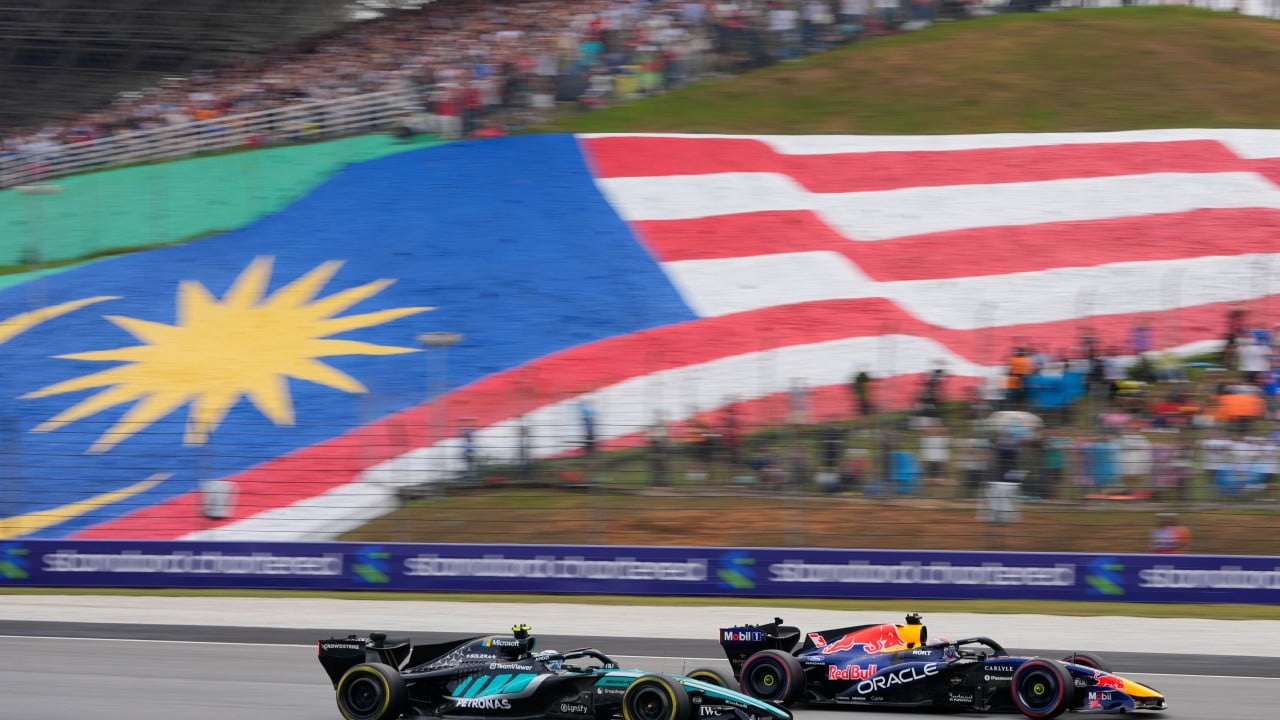
Malaysia was aflush with Formula One fever this weekend, rekindling talk of permanently bringing the race back to the Southeast Asian nation after a long hiatus – despite days of traffic chaos that left thousands of fans stranded for hours.
More than 260,000 people flocked to Sepang International Circuit in Selangor state for the Bahrain Grand Prix, which was originally meant to be held in April but had to be postponed and relocated away from the Persian Gulf island nation due to security concerns arising from the US–Israel war on Iran.
It marked the first time since 2017 that Malaysia and the punishingly technical track at Sepang had hosted a Formula One race.
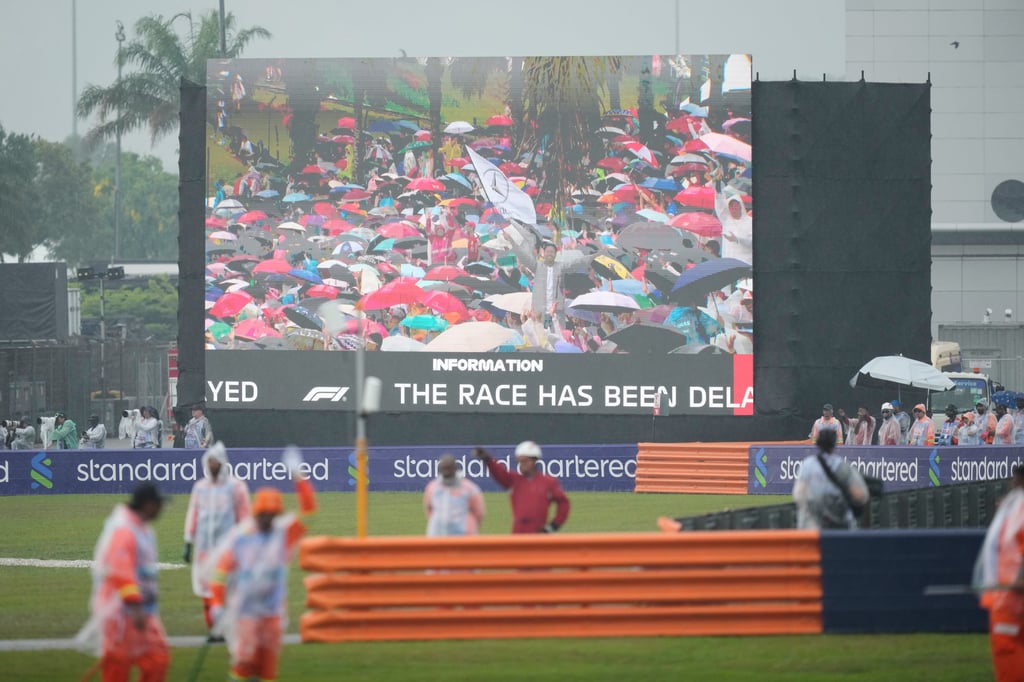
And Sepang delivered drama in spades, with Red Bull Racing’s Max Verstappen earning his first win of the season as teams scrambled to adapt their strategies after a sudden deluge. The downpour triggered widespread technical failures and tyre-choice headaches on a track that transitioned from wet to dry.
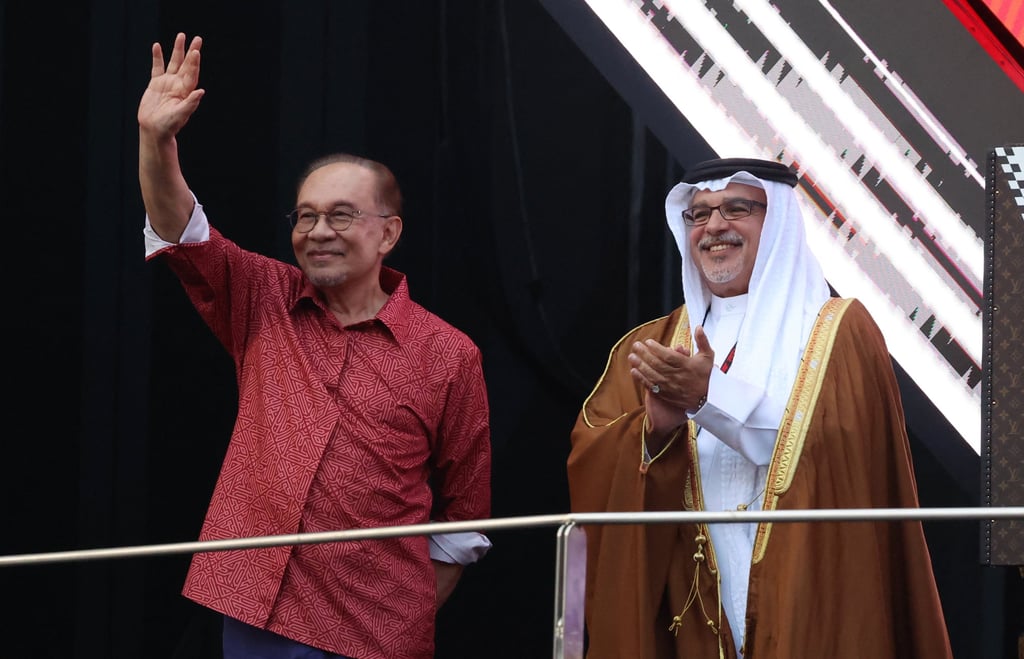
Malaysia’s Prime Minister Anwar Ibrahim was so impressed with the spectacle that he declared his government was actively exploring the possibility of bringing Formula One back to the country.
“I’m looking forward to it. We’re discussing,” he said in a brief chat with Sky Sports commentator Martin Brundle ahead of Sunday’s race. “You see, I’m wet, drenched, but I am very excited. You see, the entire country is rejoicing.”
Off the track, however, public sentiment was more mixed.
While Formula One fans were largely thrilled with how the race panned out, their experience was soured by the logistical nightmare of getting to and from Sepang.
Local media reported “extraordinary congestion” on Sunday, with thousands of vehicles stuck in traffic for more than six hours after the race had ended at 6.30pm.
Shuttle buses meant to transport ticket holders to their cars were delayed by hours, leaving many motorists to trek as far as 10km (6 miles) along the highway to reach their vehicles.
Traffic was similarly chaotic on the previous two days, when practice runs and qualifiers were held, with one attendee saying she “broke down and cried for an hour straight” after seeing a man with a physical disability struggling but getting no help.
‘We can do it’
Malaysia was chosen as the host of this year’s Bahrain Grand Prix in July, under a deal that saw Bahrain’s state-run circuit retain full operational authority over the event’s commercial side, including ticket sales and providing hundreds of marshals and other race officials.
Local fans were quick to defend Malaysia’s hosting of the event, laying the blame for any issues with the race squarely at the feet of the Bahraini race organisers.
One video that did the rounds on social media showed Sepang circuit chief executive Azhan Shafriman Hanif handing out free water to fans queuing for their shuttle buses after Bahrain’s official workers had reportedly already left the circuit.
Despite the logistical fiasco, the sheer number of fans who turned up for the race was a clear indicator of the economic potential a revived Malaysian Grand Prix could bring, Mokhzani Mahathir, president of the Motorsports Association of Malaysia, told national news agency Bernama.
“I was surprised to see people turning up even for practice on Friday. Yesterday’s qualifying session was also packed,” he was quoted as saying.
Mokhzani – whose father, former Malaysian prime minister Mahathir Mohamad, first brought Formula One to the country – said he was “sure” that a revived race at Sepang would have a significant “economic impact and multiplier effect”.
“In terms of the circuit’s capability, we can do it,” he told Bernama.
Sepang hosted a Formula One race every year for 19 years until 2017 and remains a regular fixture on the MotoGP calendar. Last year, more than 190,000 fans flocked to the track to watch Alex Marquez of Gresini Racing narrowly defeat Spanish compatriot Pedro Acosta of Red Bull KTM Factory Racing.
In 2024, the latest year for which government figures are available, MotoGP generated an estimated 694 million ringgit (US$157 million) in economic returns for Malaysia, or roughly 6.3 times the amount invested.
Putting Malaysia back on the Formula One calendar would cost at least 300 million ringgit per year, according to Sepang’s projections.
Yet the investment could be worth it. Hong Leong Investment Bank has estimated that this weekend’s race generated roughly 1.3 billion ringgit in total revenue.
Malaysia’s prime minister certainly seems hopeful for the race to return.
“Hope we meet again in Sepang. Insya-Allah!” Anwar wrote in Malay on social media after the race, using the Arabic phrase for “God willing”.
KioskNews shows a cleaned-up reading view extracted from the publisher’s page — the original always lives on their site, not ours.